Black Mission Fig
Black Mission Fig – The Classic Fig with Rich, Honey-Sweet Flavor
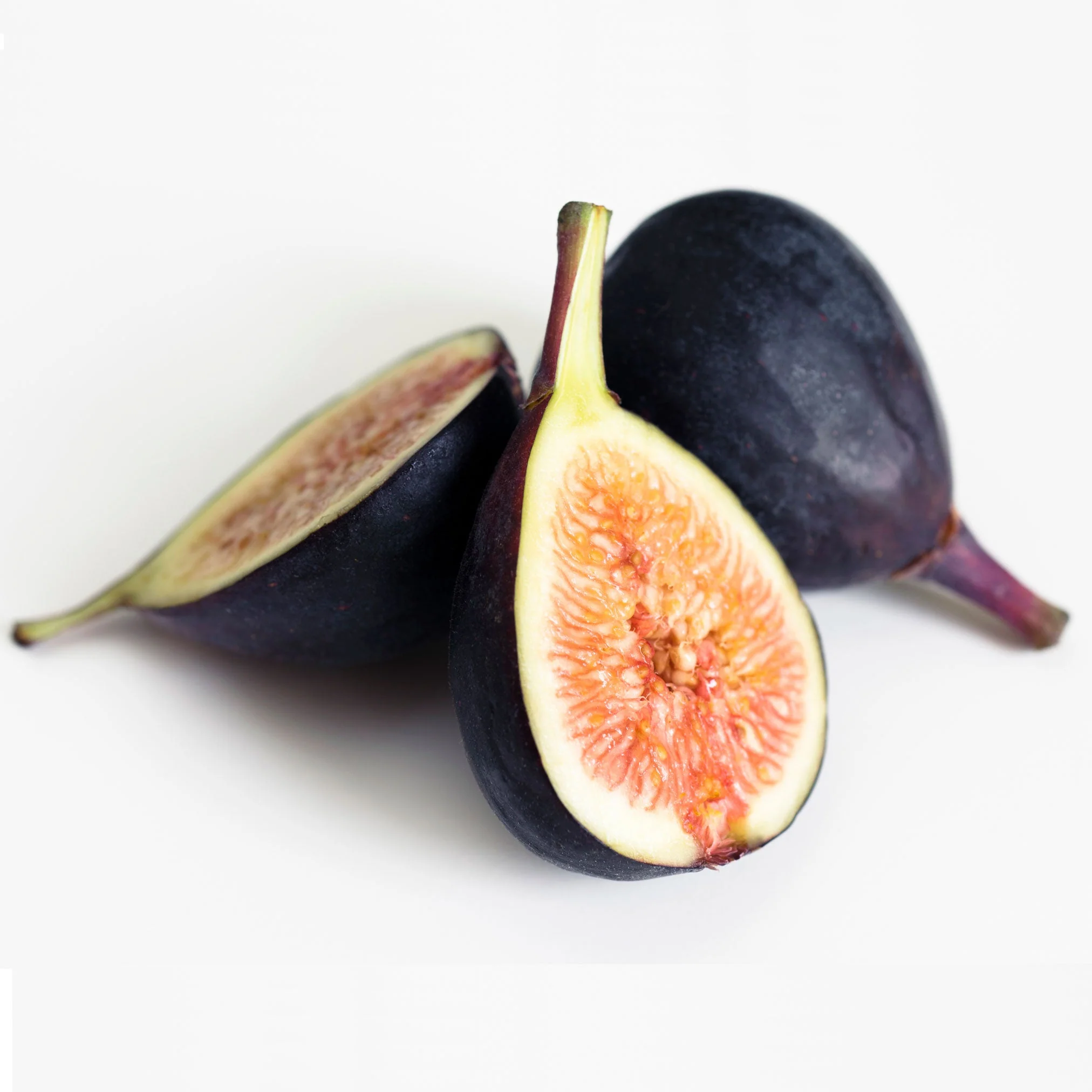
The Black Mission Fig is one of the most beloved and widely grown fig varieties in the world — and for good reason. Its deep purple-black skin, strawberry-pink flesh, and intensely rich, honey-sweet flavor make it the benchmark against which all other figs are measured. Whether eaten fresh off the branch, dried, baked into pastries, or paired with cheese and charcuterie, Black Mission figs are in a class of their own.
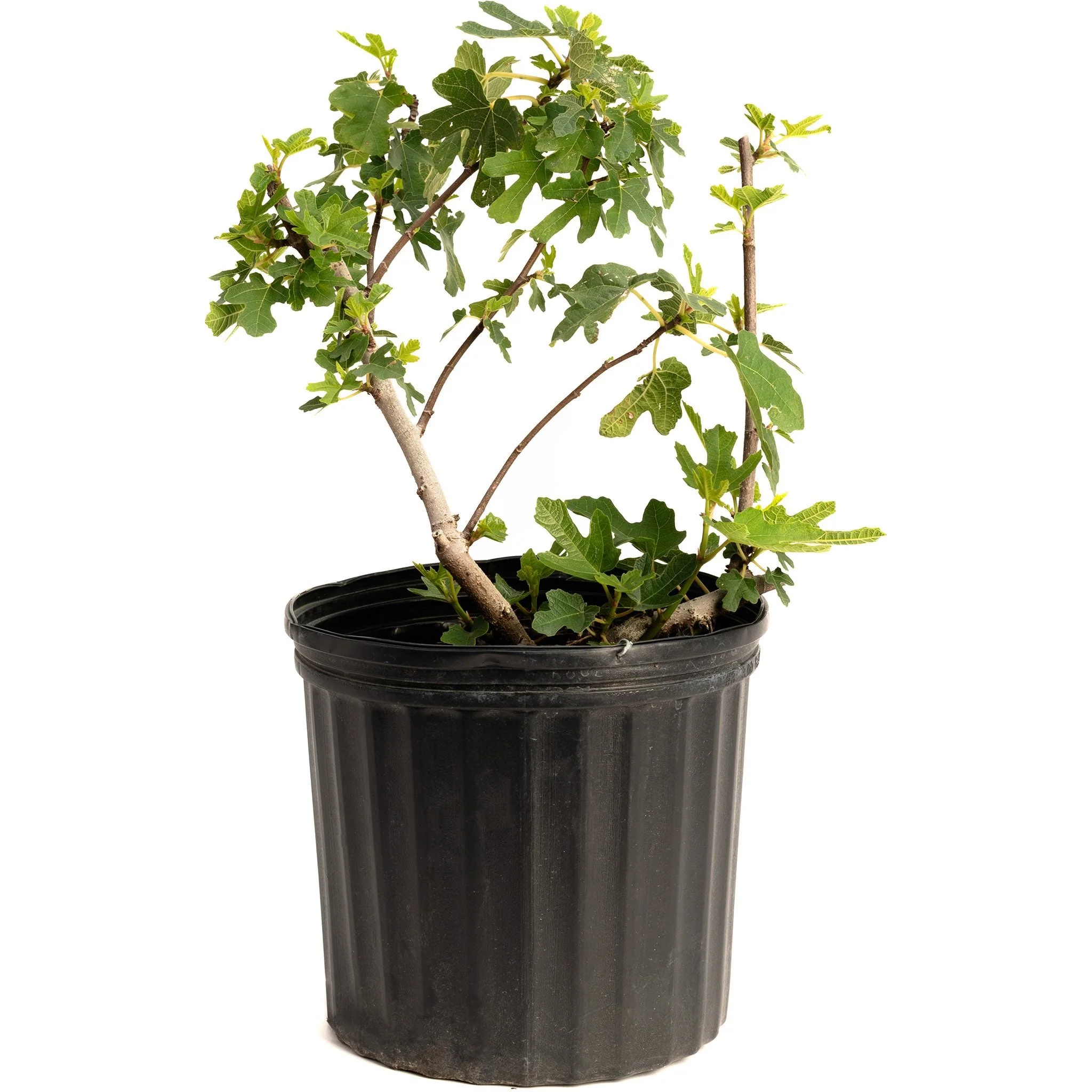
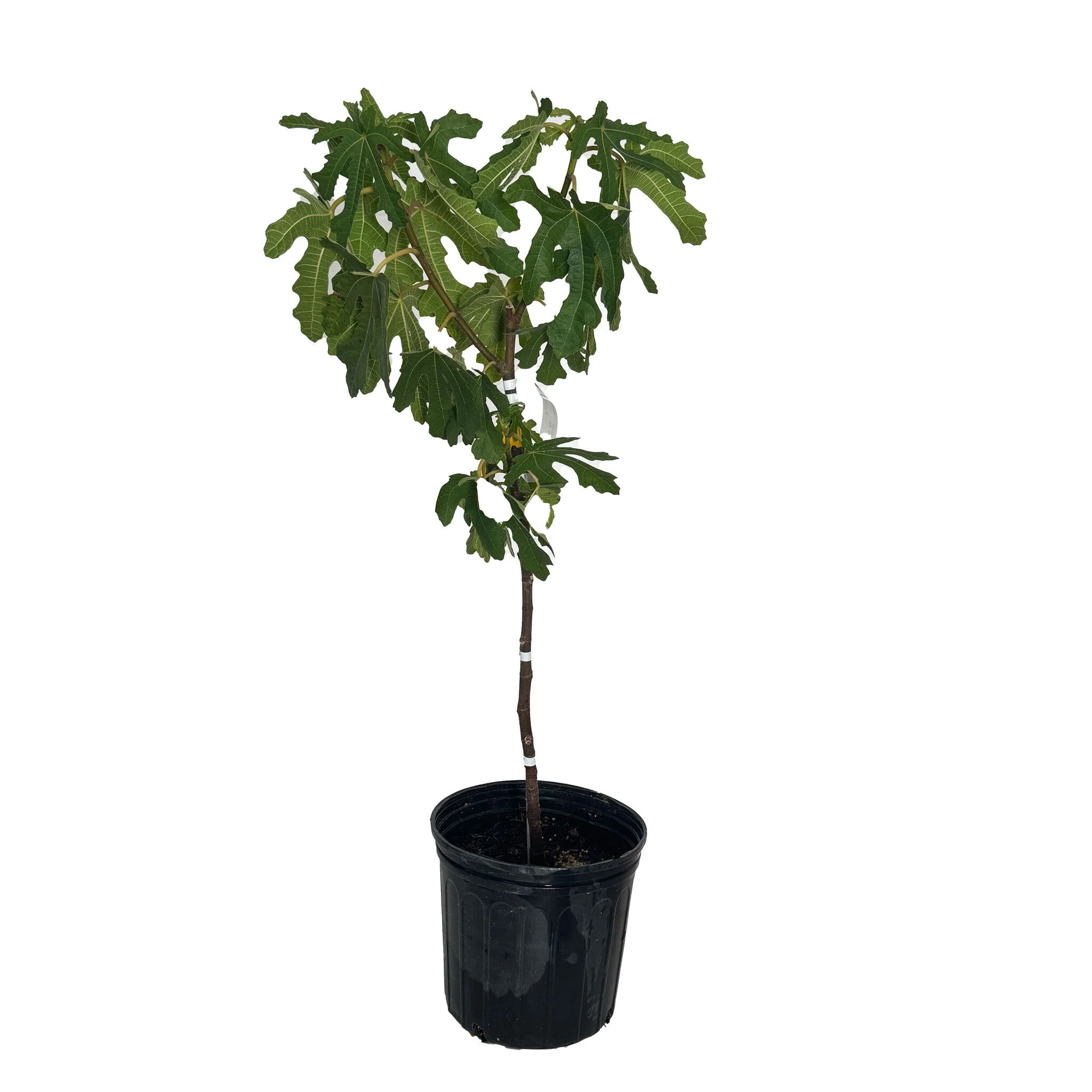
Available as a Bush (multi-stem, compact form) or Tree (single-trunk, upright form), and in sizes from 1 Gallon to 2–3 ft. — choose the form and size that best fits your garden or patio. Tree form also available in a 2-Pack for maximum production.
Why You’ll Love the Black Mission Fig
- Exceptional Flavor: Deep, rich, honey-sweet flesh with a jammy, complex flavor — far superior to anything available in grocery stores
- Two Crops Per Year: Produces a smaller “breba” crop in early summer on last year’s wood, followed by the main crop in late summer through fall
- Self-Fertile: No pollination partner needed — one plant produces a full, abundant harvest on its own
- Bush or Tree Form: Choose a compact multi-stem bush for containers and small spaces, or a single-trunk tree form for a more traditional orchard or landscape specimen
- Fast-Growing & Productive: Establishes quickly and begins fruiting within 1–2 years in the right conditions
- Drought-Tolerant: Once established, handles dry conditions well — lower water needs than most fruit trees
- Stunning Ornamental Appeal: Large, deeply lobed decorative leaves and attractive bark make it a beautiful landscape plant even when not in fruit
Bush vs. Tree Form – Which Is Right for You?
Bush form is multi-stemmed, naturally compact, and easier to keep at a manageable size — ideal for containers, patios, and smaller gardens. It’s also more forgiving if stems are damaged by cold, as new growth emerges readily from the base. Tree form has a single trunk and a more upright, traditional silhouette — better suited for open garden beds, landscape focal points, and growers who want a classic fig tree aesthetic.
Growing Zones & Care Guide
- USDA Hardiness Zones: Best planted in the ground in Zones 7–11. Black Mission thrives in warm, Mediterranean-style climates with long, hot summers and mild winters. It is moderately cold-hardy but can suffer stem damage below 15–20°F.
- Zones 5–6 (Container Growing): Grow in a 15–25 gallon container and move to a frost-free garage, basement, or shed for winter dormancy. Figs go fully dormant and require very little light or water during this period — making them one of the easiest fruit trees to overwinter indoors.
- Sunlight: Full sun — 6–8 hours of direct sunlight daily for best fruit production, sweetness, and ripening. More sun equals sweeter, more flavorful figs.
- Watering: Water regularly during the growing season and fruit development. Once established, figs are drought-tolerant — allow the soil to dry slightly between waterings. Overwatering can dilute fruit flavor and promote root rot.
- Soil: Adaptable to a wide range of soils as long as drainage is good. Prefers slightly acidic to neutral pH (6.0–7.0). Avoid heavy clay or waterlogged sites.
- Fertilizing: Light feeding with a balanced fertilizer in early spring. Avoid excess nitrogen, which promotes foliage over fruit. In-ground figs in fertile soil often need little to no fertilizer.
- Pruning: Prune in late winter while dormant. Remove dead or crossing wood and thin the canopy to improve airflow and light penetration. For bush form, remove the oldest canes periodically to encourage vigorous new growth.
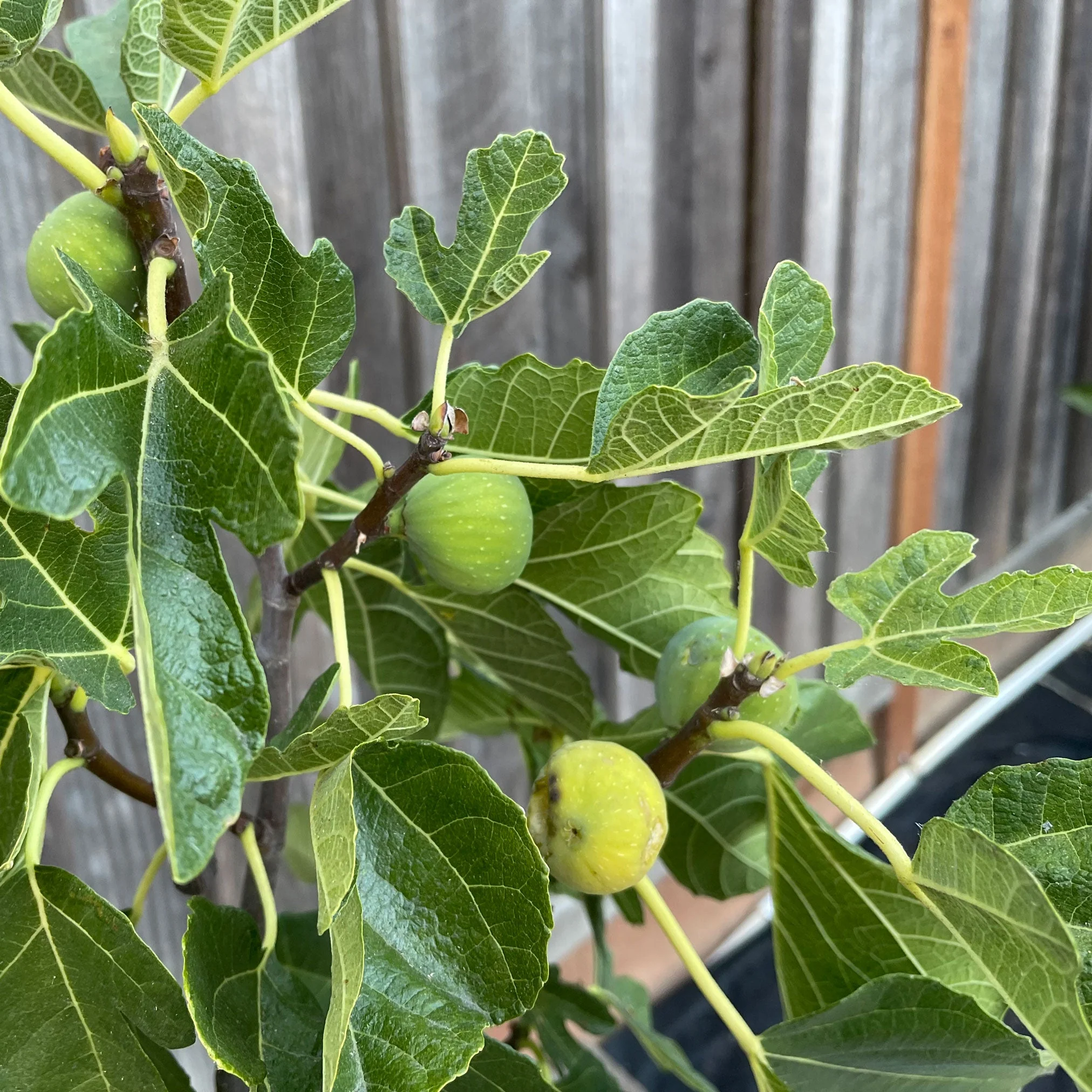
- Harvest Window: Breba (first) crop: June–July. Main crop: August–October. Figs are ripe when they droop slightly on the stem, feel soft to the touch, and the skin begins to crack slightly near the eye. Do not harvest early — figs do not ripen off the tree.
Explore Another Great Fig Variety
Growing in a colder climate? Our Chicago Hardy Fig Tree is one of the most cold-tolerant fig varieties available — surviving temperatures down to −10°F and reliably resprouting from the roots even after hard freezes. A great alternative for Zone 5–6 gardeners who want to grow figs in the ground.
Rich, sweet, and effortlessly productive — the Black Mission Fig is the timeless classic that belongs in every warm-climate fruit garden.
Original: $49.95
-65%$49.95
$17.48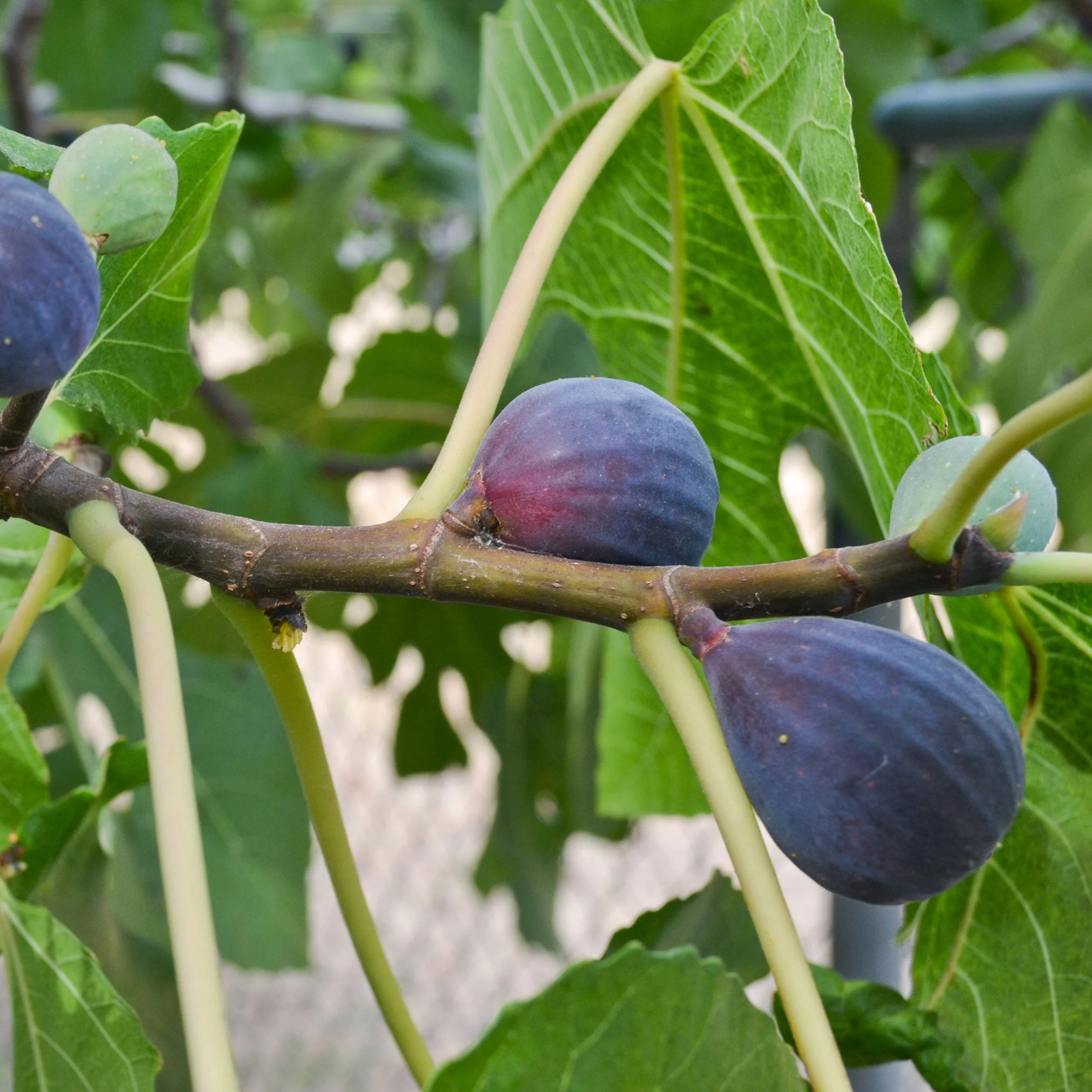
Description
Black Mission Fig – The Classic Fig with Rich, Honey-Sweet Flavor
The Black Mission Fig is one of the most beloved and widely grown fig varieties in the world — and for good reason. Its deep purple-black skin, strawberry-pink flesh, and intensely rich, honey-sweet flavor make it the benchmark against which all other figs are measured. Whether eaten fresh off the branch, dried, baked into pastries, or paired with cheese and charcuterie, Black Mission figs are in a class of their own.
Available as a Bush (multi-stem, compact form) or Tree (single-trunk, upright form), and in sizes from 1 Gallon to 2–3 ft. — choose the form and size that best fits your garden or patio. Tree form also available in a 2-Pack for maximum production.
Why You’ll Love the Black Mission Fig
- Exceptional Flavor: Deep, rich, honey-sweet flesh with a jammy, complex flavor — far superior to anything available in grocery stores
- Two Crops Per Year: Produces a smaller “breba” crop in early summer on last year’s wood, followed by the main crop in late summer through fall
- Self-Fertile: No pollination partner needed — one plant produces a full, abundant harvest on its own
- Bush or Tree Form: Choose a compact multi-stem bush for containers and small spaces, or a single-trunk tree form for a more traditional orchard or landscape specimen
- Fast-Growing & Productive: Establishes quickly and begins fruiting within 1–2 years in the right conditions
- Drought-Tolerant: Once established, handles dry conditions well — lower water needs than most fruit trees
- Stunning Ornamental Appeal: Large, deeply lobed decorative leaves and attractive bark make it a beautiful landscape plant even when not in fruit
Bush vs. Tree Form – Which Is Right for You?
Bush form is multi-stemmed, naturally compact, and easier to keep at a manageable size — ideal for containers, patios, and smaller gardens. It’s also more forgiving if stems are damaged by cold, as new growth emerges readily from the base. Tree form has a single trunk and a more upright, traditional silhouette — better suited for open garden beds, landscape focal points, and growers who want a classic fig tree aesthetic.
Growing Zones & Care Guide
- USDA Hardiness Zones: Best planted in the ground in Zones 7–11. Black Mission thrives in warm, Mediterranean-style climates with long, hot summers and mild winters. It is moderately cold-hardy but can suffer stem damage below 15–20°F.
- Zones 5–6 (Container Growing): Grow in a 15–25 gallon container and move to a frost-free garage, basement, or shed for winter dormancy. Figs go fully dormant and require very little light or water during this period — making them one of the easiest fruit trees to overwinter indoors.
- Sunlight: Full sun — 6–8 hours of direct sunlight daily for best fruit production, sweetness, and ripening. More sun equals sweeter, more flavorful figs.
- Watering: Water regularly during the growing season and fruit development. Once established, figs are drought-tolerant — allow the soil to dry slightly between waterings. Overwatering can dilute fruit flavor and promote root rot.
- Soil: Adaptable to a wide range of soils as long as drainage is good. Prefers slightly acidic to neutral pH (6.0–7.0). Avoid heavy clay or waterlogged sites.
- Fertilizing: Light feeding with a balanced fertilizer in early spring. Avoid excess nitrogen, which promotes foliage over fruit. In-ground figs in fertile soil often need little to no fertilizer.
- Pruning: Prune in late winter while dormant. Remove dead or crossing wood and thin the canopy to improve airflow and light penetration. For bush form, remove the oldest canes periodically to encourage vigorous new growth.
- Harvest Window: Breba (first) crop: June–July. Main crop: August–October. Figs are ripe when they droop slightly on the stem, feel soft to the touch, and the skin begins to crack slightly near the eye. Do not harvest early — figs do not ripen off the tree.
Explore Another Great Fig Variety
Growing in a colder climate? Our Chicago Hardy Fig Tree is one of the most cold-tolerant fig varieties available — surviving temperatures down to −10°F and reliably resprouting from the roots even after hard freezes. A great alternative for Zone 5–6 gardeners who want to grow figs in the ground.
Rich, sweet, and effortlessly productive — the Black Mission Fig is the timeless classic that belongs in every warm-climate fruit garden.