Black Tartarian Cherry Tree – Early-Season
Black Tartarian Cherry Tree – Early, Sweet & Stunningly Productive
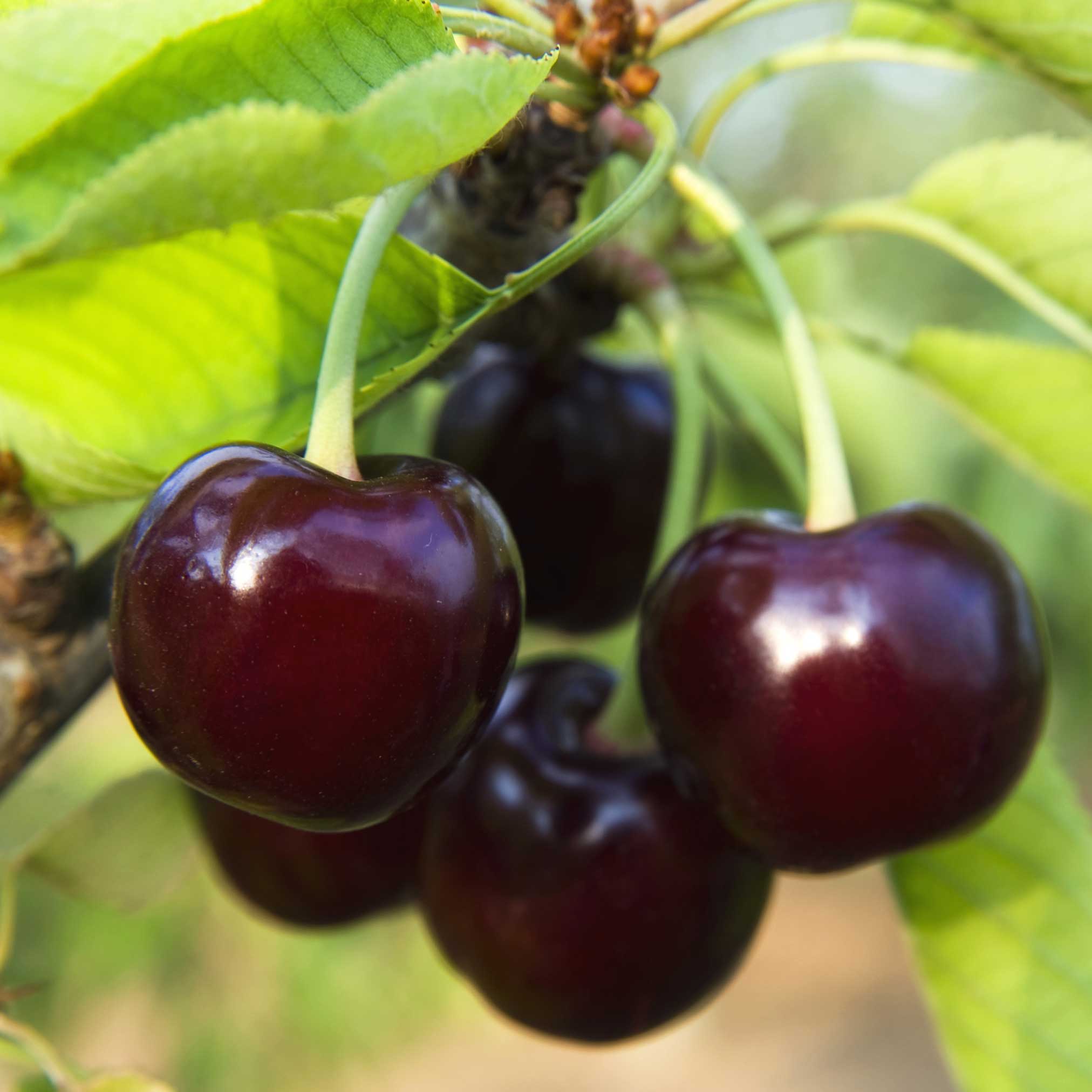
If you want cherries before anyone else on the block, the Black Tartarian Cherry Tree is your answer. One of the earliest-ripening sweet cherry varieties available, Black Tartarian delivers large, deep mahogany-red to near-black cherries with exceptionally sweet, juicy flesh — often weeks ahead of other varieties.
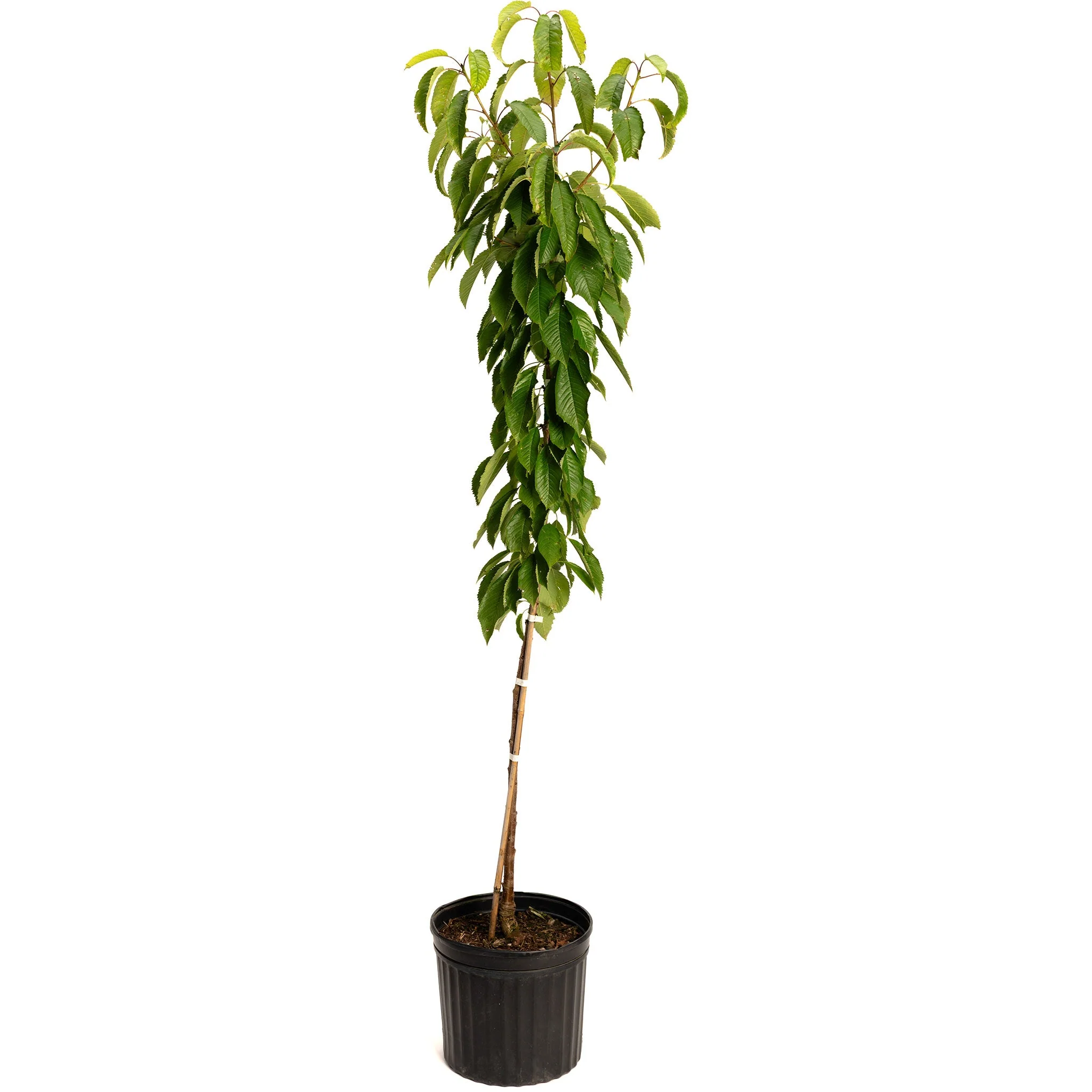
Beyond its early harvest, Black Tartarian is prized as one of the best pollinators in the cherry world — it reliably boosts yields for Bing, Lapins, and most other sweet cherry varieties nearby. Our trees arrive at 4–7 feet tall, established and ready to fruit sooner than bare-root alternatives.
Why You’ll Love the Black Tartarian Cherry Tree
- Earliest Sweet Cherry: One of the first sweet cherries to ripen each season — enjoy fresh cherries weeks before most other varieties
- Exceptional Sweetness: Large, deep mahogany-black fruit with rich, sweet, juicy flesh and a small pit
- Outstanding Pollinator: One of the most effective pollinators for other sweet cherry varieties — boosts yields across your whole orchard
- Heavy Producer: Bountiful, reliable harvests of dark cherries once established
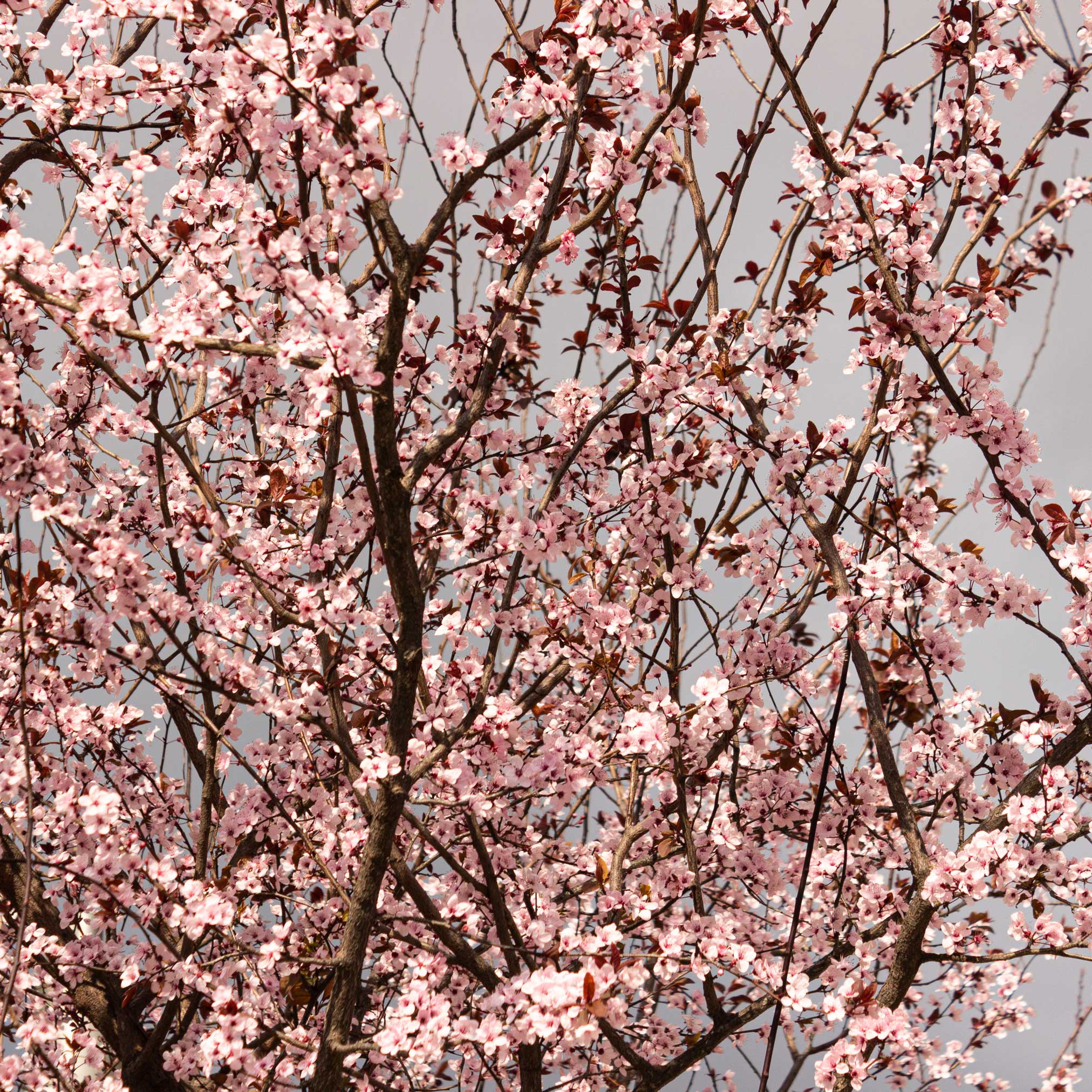
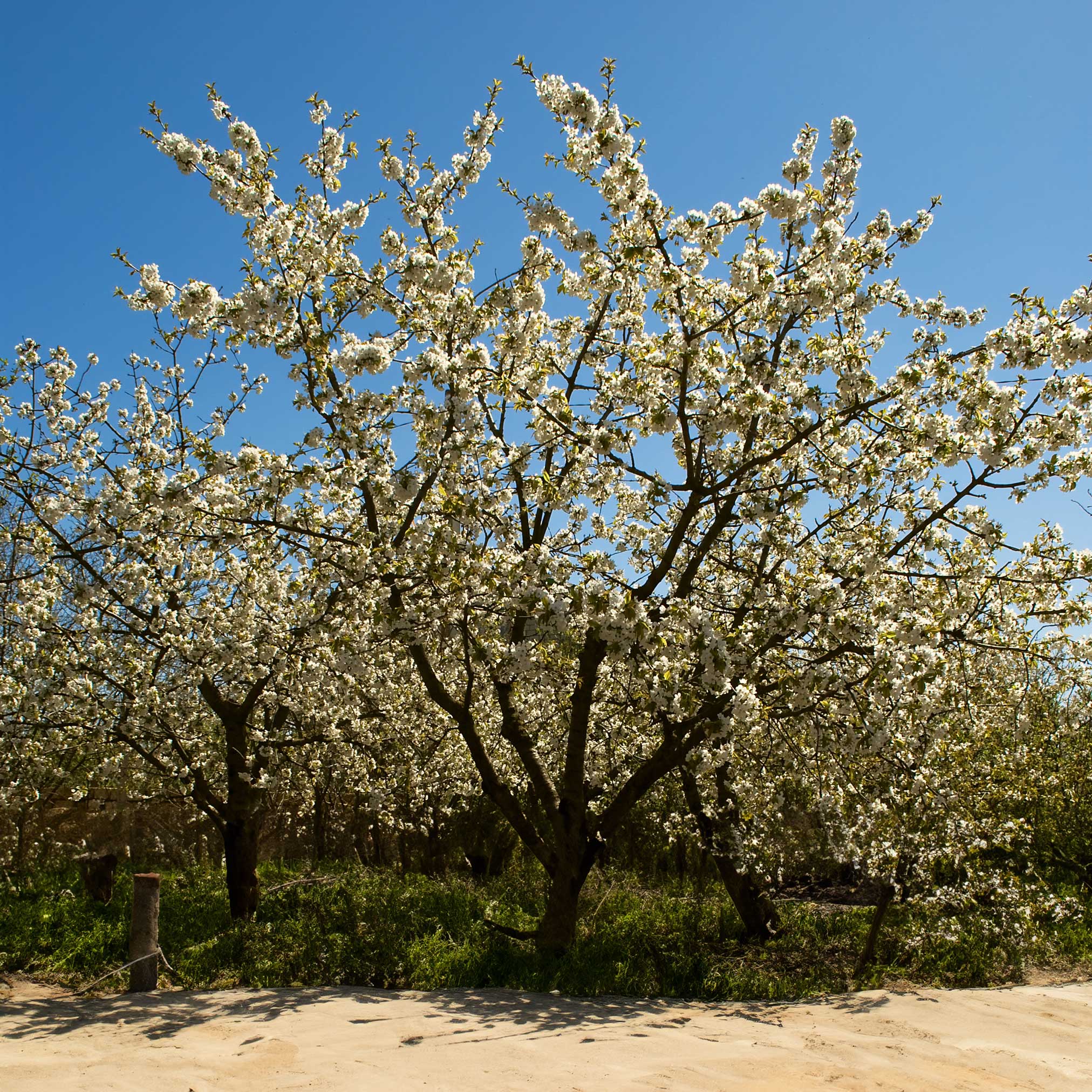
- Stunning Spring Blooms: Masses of white blossoms in early spring — a breathtaking floral display before the fruit sets
- Vigorous Growth: Strong, upright grower that establishes quickly and fruits reliably year after year
Single Tree vs. Pollination Pack
Sweet cherry trees, including Black Tartarian, are not self-fertile and require a second compatible variety nearby for fruit production. Our Pollination Pack pairs Black Tartarian with a Bing Cherry Tree — the world’s most popular sweet cherry — for a complete, high-yielding cherry orchard in one purchase. Together, they cross-pollinate each other and deliver two distinct, delicious cherry harvests.
Growing Zones & Care Guide
- USDA Hardiness Zones: Best suited for Zones 5–8. Black Tartarian requires 700–800 chill hours (hours below 45°F) to break dormancy and set fruit reliably. It thrives in cool-winter, mild-summer climates.
- Zone 4 (With Protection): Possible in sheltered microclimates with winter mulching. Late spring frosts can damage blossoms — site selection on a slight slope or elevated ground helps with cold air drainage.
- Zones 9–10: Sweet cherries generally struggle in low-chill climates. Contact us if you’re unsure about your local chill hour accumulation.
- Sunlight: Full sun — 6–8 hours of direct sunlight daily for best fruit set, size, and sweetness.
- Watering: Deep, consistent watering during the growing season, especially during fruit development. Reduce watering after harvest. Avoid waterlogged soil, which promotes root rot and disease.
- Soil: Well-draining, loamy soil with a slightly acidic pH (6.0–7.0). Sandy loam is ideal. Avoid heavy clay or low-lying areas prone to standing water.
- Fertilizing: Apply a balanced fruit tree fertilizer in early spring before bud break. Avoid excess nitrogen after mid-summer, which can delay hardening before winter.
- Pruning: Prune in late winter to an open vase shape to improve airflow and light penetration. Remove any crossing branches and water sprouts. Good airflow reduces disease pressure significantly.
- Harvest Window: Late May through June — among the earliest sweet cherries to ripen. Harvest when fruit is fully colored and separates easily from the stem.
Complete Your Cherry Orchard
Pair your Black Tartarian with a Bing Cherry Tree — the world’s most beloved sweet cherry, with large, firm, deep red fruit and classic rich flavor. Together they cross-pollinate perfectly and deliver two of the finest sweet cherry varieties you can grow at home.
Early, sweet, and spectacularly productive — the Black Tartarian Cherry Tree is the perfect anchor for any backyard fruit garden or home orchard.
Description
Black Tartarian Cherry Tree – Early, Sweet & Stunningly Productive
If you want cherries before anyone else on the block, the Black Tartarian Cherry Tree is your answer. One of the earliest-ripening sweet cherry varieties available, Black Tartarian delivers large, deep mahogany-red to near-black cherries with exceptionally sweet, juicy flesh — often weeks ahead of other varieties.
Beyond its early harvest, Black Tartarian is prized as one of the best pollinators in the cherry world — it reliably boosts yields for Bing, Lapins, and most other sweet cherry varieties nearby. Our trees arrive at 4–7 feet tall, established and ready to fruit sooner than bare-root alternatives.
Why You’ll Love the Black Tartarian Cherry Tree
- Earliest Sweet Cherry: One of the first sweet cherries to ripen each season — enjoy fresh cherries weeks before most other varieties
- Exceptional Sweetness: Large, deep mahogany-black fruit with rich, sweet, juicy flesh and a small pit
- Outstanding Pollinator: One of the most effective pollinators for other sweet cherry varieties — boosts yields across your whole orchard
- Heavy Producer: Bountiful, reliable harvests of dark cherries once established
- Stunning Spring Blooms: Masses of white blossoms in early spring — a breathtaking floral display before the fruit sets
- Vigorous Growth: Strong, upright grower that establishes quickly and fruits reliably year after year
Single Tree vs. Pollination Pack
Sweet cherry trees, including Black Tartarian, are not self-fertile and require a second compatible variety nearby for fruit production. Our Pollination Pack pairs Black Tartarian with a Bing Cherry Tree — the world’s most popular sweet cherry — for a complete, high-yielding cherry orchard in one purchase. Together, they cross-pollinate each other and deliver two distinct, delicious cherry harvests.
Growing Zones & Care Guide
- USDA Hardiness Zones: Best suited for Zones 5–8. Black Tartarian requires 700–800 chill hours (hours below 45°F) to break dormancy and set fruit reliably. It thrives in cool-winter, mild-summer climates.
- Zone 4 (With Protection): Possible in sheltered microclimates with winter mulching. Late spring frosts can damage blossoms — site selection on a slight slope or elevated ground helps with cold air drainage.
- Zones 9–10: Sweet cherries generally struggle in low-chill climates. Contact us if you’re unsure about your local chill hour accumulation.
- Sunlight: Full sun — 6–8 hours of direct sunlight daily for best fruit set, size, and sweetness.
- Watering: Deep, consistent watering during the growing season, especially during fruit development. Reduce watering after harvest. Avoid waterlogged soil, which promotes root rot and disease.
- Soil: Well-draining, loamy soil with a slightly acidic pH (6.0–7.0). Sandy loam is ideal. Avoid heavy clay or low-lying areas prone to standing water.
- Fertilizing: Apply a balanced fruit tree fertilizer in early spring before bud break. Avoid excess nitrogen after mid-summer, which can delay hardening before winter.
- Pruning: Prune in late winter to an open vase shape to improve airflow and light penetration. Remove any crossing branches and water sprouts. Good airflow reduces disease pressure significantly.
- Harvest Window: Late May through June — among the earliest sweet cherries to ripen. Harvest when fruit is fully colored and separates easily from the stem.
Complete Your Cherry Orchard
Pair your Black Tartarian with a Bing Cherry Tree — the world’s most beloved sweet cherry, with large, firm, deep red fruit and classic rich flavor. Together they cross-pollinate perfectly and deliver two of the finest sweet cherry varieties you can grow at home.
Early, sweet, and spectacularly productive — the Black Tartarian Cherry Tree is the perfect anchor for any backyard fruit garden or home orchard.