Toka Plum Tree – ‘Bubblegum’ Flavor, Cold-Hardy to Zone 3
Toka Plum Tree – The Sweetest Plum You’ve Never Tasted, and the Pollinator Every Orchard Needs
The Toka Plum is one of the best-kept secrets in home orcharding. Its reddish-purple fruit carries a flavor unlike any other plum — intensely sweet with a distinctive, almost bubblegum-like quality that surprises and delights everyone who tries it. But Toka isn’t just a great eating plum — it’s also one of the most effective universal pollinators for other plum varieties, making it an essential addition to any stone fruit orchard in zones 3–8.
What Makes Toka Exceptional
- Unique ‘bubblegum’ flavor – Intensely sweet, aromatic fruit with a flavor profile unlike standard plums — a genuine conversation starter at the table.
- Universal pollinator – Toka pollinates most American and Japanese plum varieties, making it the single most valuable tree to add if you already have plums that aren’t fruiting well.
- Exceptional cold-hardiness – Hardy to USDA zone 3 (−40°F) — one of the hardiest plum varieties available, reliable across the Upper Midwest, Canada, and northern climates where most plums struggle.
- Heavy, reliable producer – Consistent crops of reddish-purple plums year after year once established.
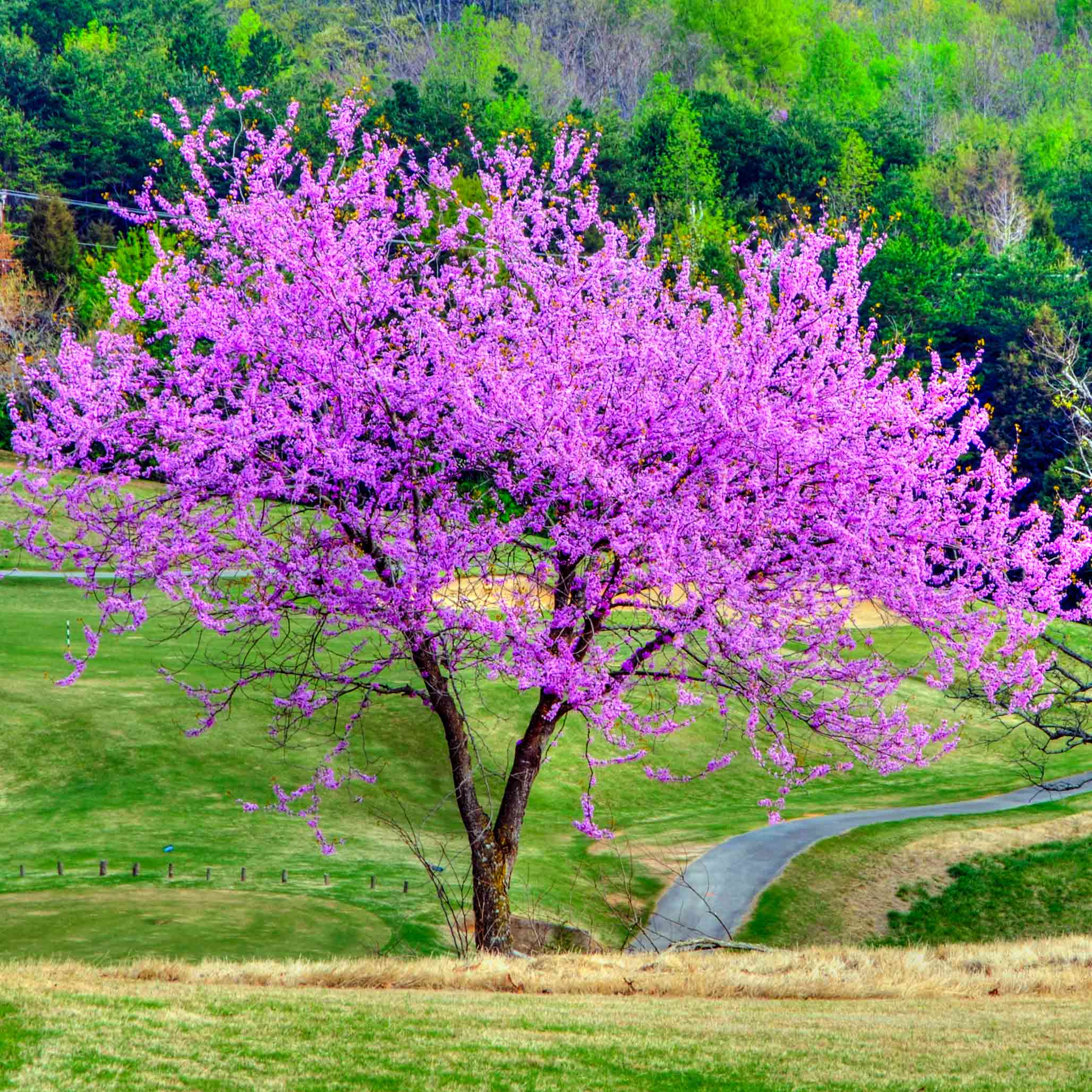
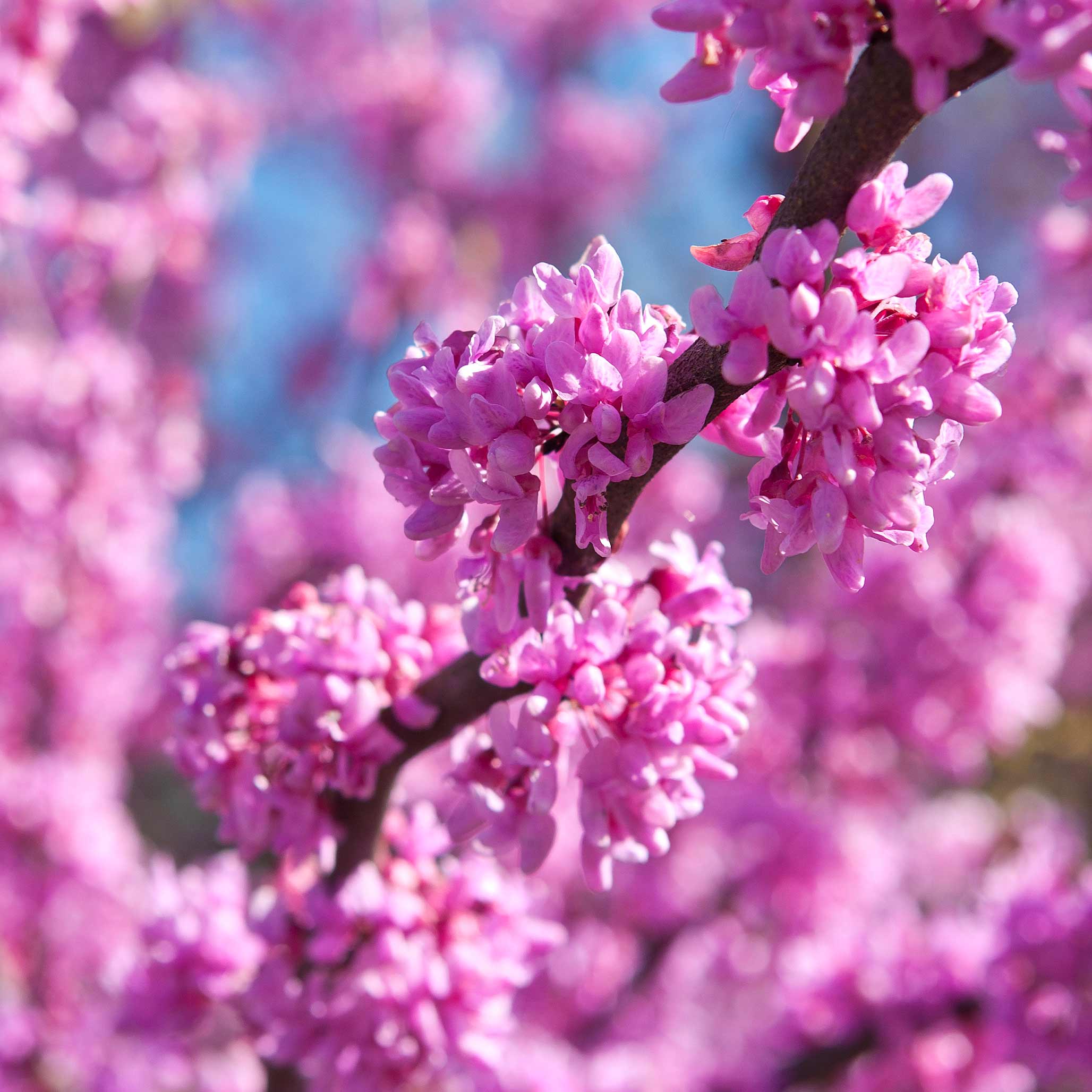
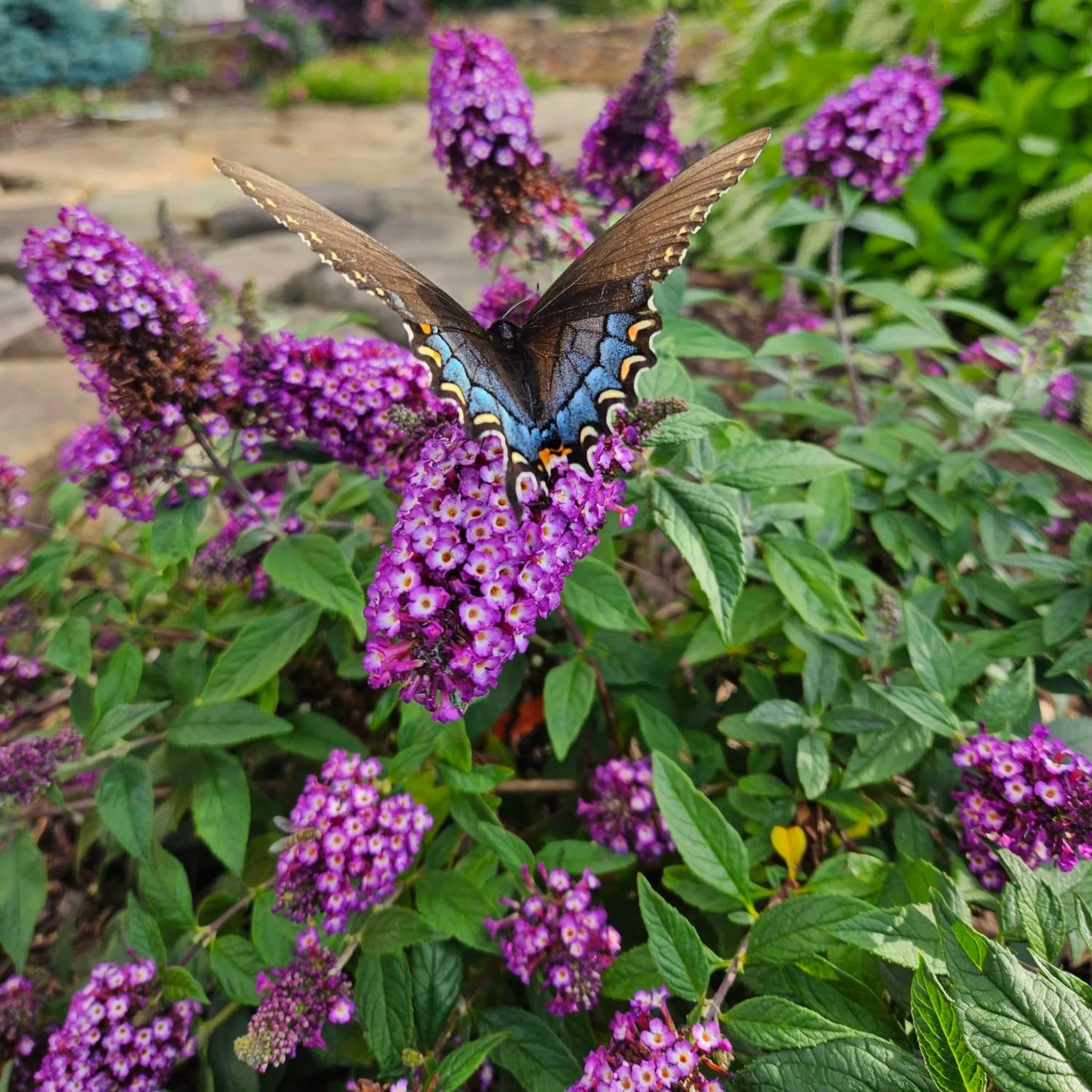
- Fragrant spring blooms – Clouds of white blossoms in early spring attract pollinators and signal the start of the fruit season.
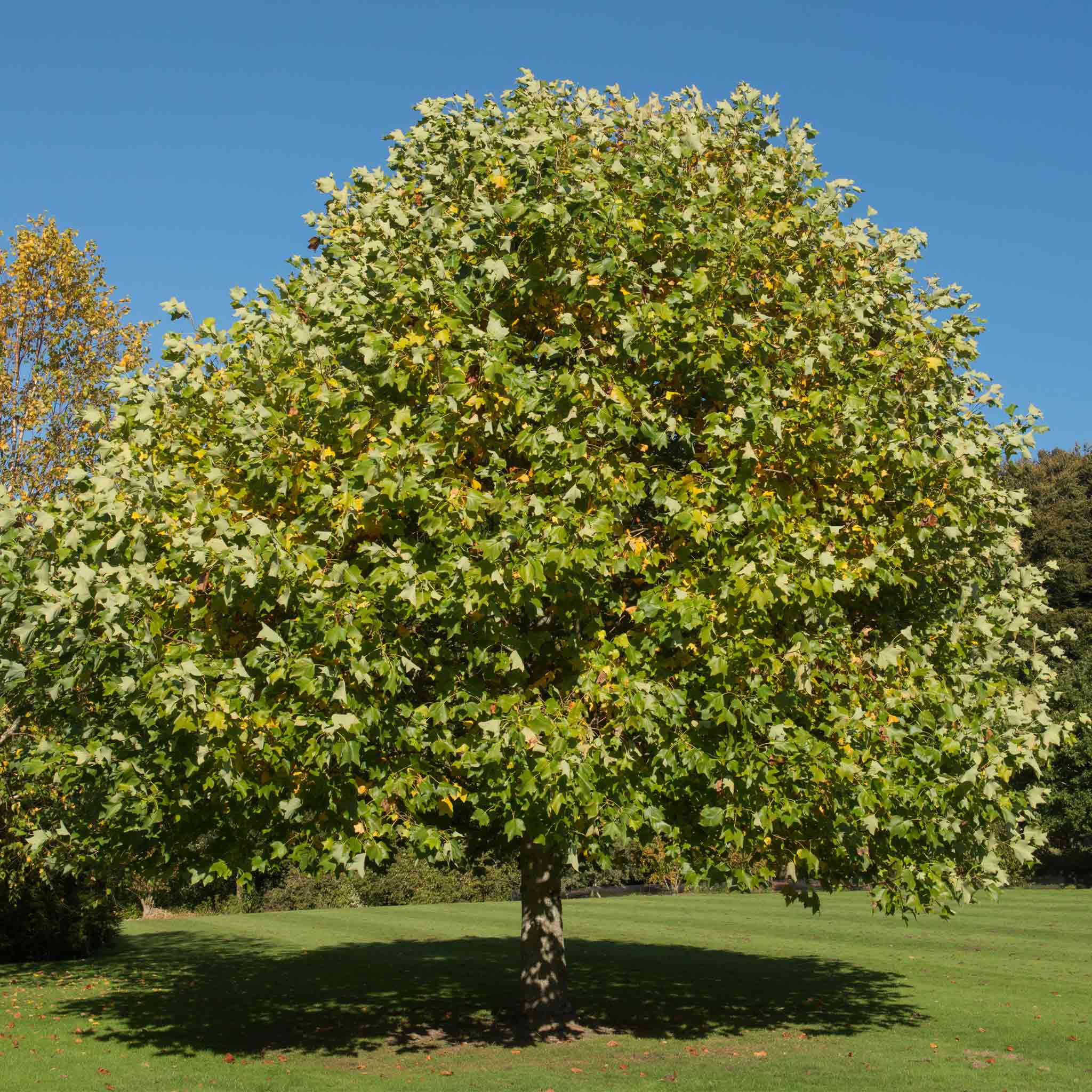
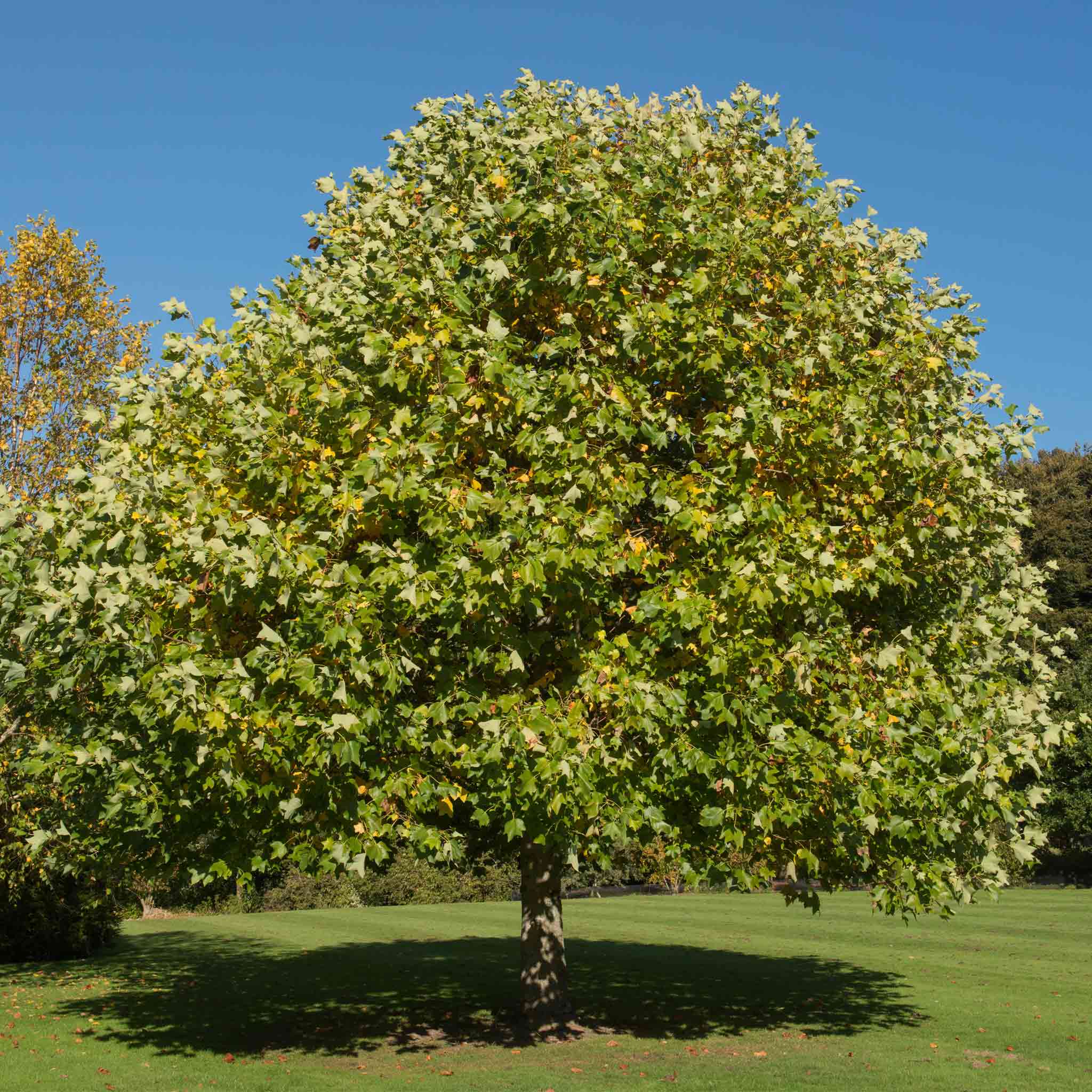
- Compact, manageable size – Medium-sized tree that fits comfortably in smaller yards and can be maintained with light annual pruning.
- Container-capable – Can be grown in large containers (25+ gallons) for patio fruit production in colder climates.
The Pollinator Advantage
Many popular plum varieties — including Methley, Superior, and Waneta — produce far more fruit when cross-pollinated. Toka’s long bloom period and compatibility with both American and Japanese plum species makes it the go-to pollinator choice for northern orchardists. If your existing plum trees are blooming but not fruiting, adding a Toka is often the solution.
In the Kitchen
Toka plums are exceptional fresh — sweet enough to eat like candy straight from the tree. They also make outstanding jams, preserves, and plum butter, where their intense sweetness and aroma shine. Try them halved and roasted with honey and thyme, or fermented into a small-batch plum wine.
Growing Guide
- Zones: USDA 3–8 — one of the hardiest plums available
- Chill hours: ~800 hours below 45°F
- Light: Full sun — 6+ hours daily for best fruit production
- Water: Regular, deep watering during the growing season; reduce after harvest
- Soil: Well-draining, loamy soil; pH 5.5–6.5
- Mature size: 12–18 ft. tall (easily maintained smaller with annual pruning)
- Harvest: Late August–September depending on zone
- Pollination: Self-fertile but produces significantly more fruit with a cross-pollinator nearby. Toka itself pollinates most other plum varieties.
Available Sizes
Choose from 3–4 ft., 4–5 ft., or 6–7 ft. trees — all container-grown for strong establishment and a head start on fruiting.
Want Multiple Stone Fruits in One Tree?
If you love the idea of plums but want even more variety, the Fruit Cocktail Tree gives you multiple stone fruit varieties — including plum — grafted onto a single trunk, with built-in cross-pollination and a longer harvest window in the footprint of one tree.
Original: $119.95
-65%$119.95
$41.98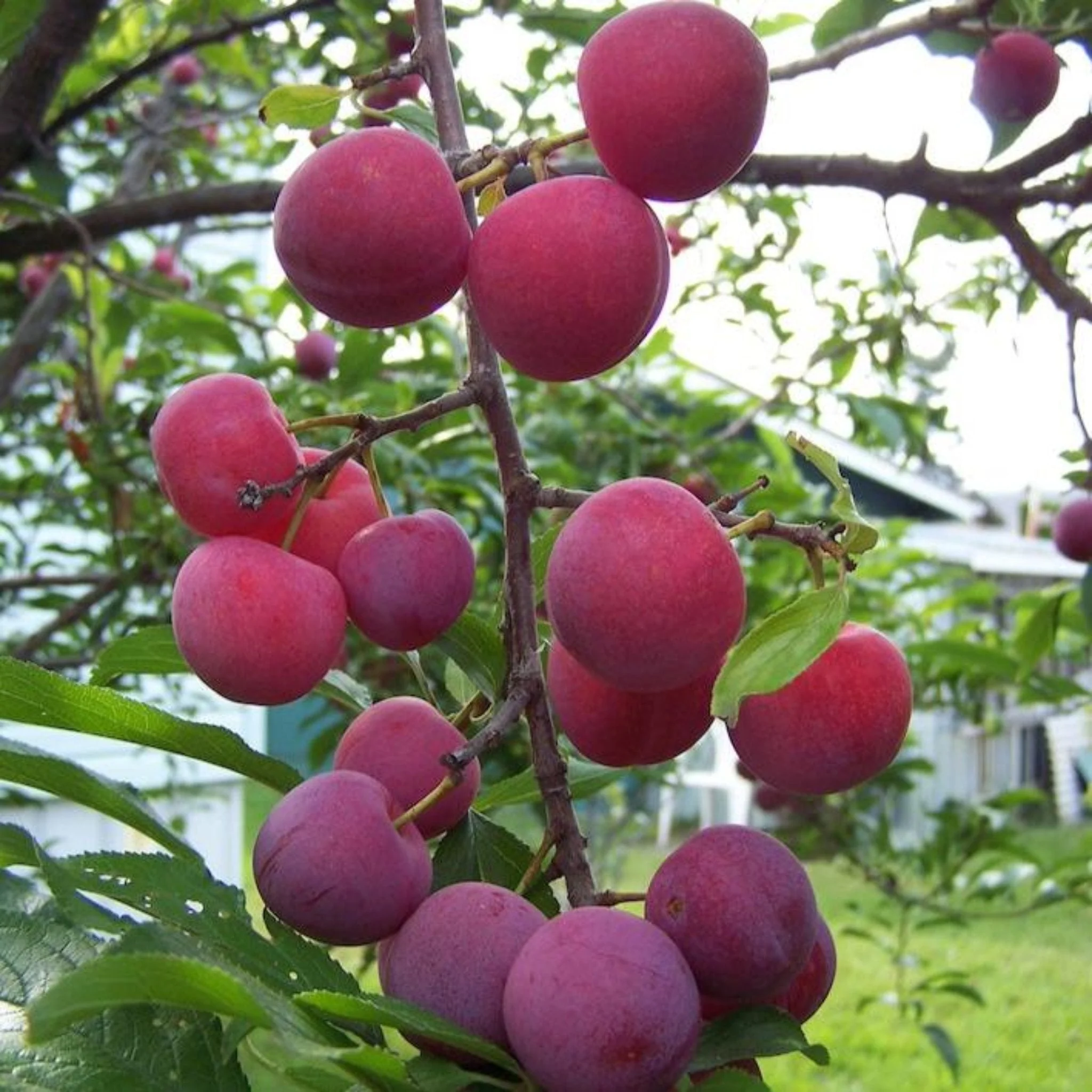
Description
Toka Plum Tree – The Sweetest Plum You’ve Never Tasted, and the Pollinator Every Orchard Needs
The Toka Plum is one of the best-kept secrets in home orcharding. Its reddish-purple fruit carries a flavor unlike any other plum — intensely sweet with a distinctive, almost bubblegum-like quality that surprises and delights everyone who tries it. But Toka isn’t just a great eating plum — it’s also one of the most effective universal pollinators for other plum varieties, making it an essential addition to any stone fruit orchard in zones 3–8.
What Makes Toka Exceptional
- Unique ‘bubblegum’ flavor – Intensely sweet, aromatic fruit with a flavor profile unlike standard plums — a genuine conversation starter at the table.
- Universal pollinator – Toka pollinates most American and Japanese plum varieties, making it the single most valuable tree to add if you already have plums that aren’t fruiting well.
- Exceptional cold-hardiness – Hardy to USDA zone 3 (−40°F) — one of the hardiest plum varieties available, reliable across the Upper Midwest, Canada, and northern climates where most plums struggle.
- Heavy, reliable producer – Consistent crops of reddish-purple plums year after year once established.
- Fragrant spring blooms – Clouds of white blossoms in early spring attract pollinators and signal the start of the fruit season.
- Compact, manageable size – Medium-sized tree that fits comfortably in smaller yards and can be maintained with light annual pruning.
- Container-capable – Can be grown in large containers (25+ gallons) for patio fruit production in colder climates.
The Pollinator Advantage
Many popular plum varieties — including Methley, Superior, and Waneta — produce far more fruit when cross-pollinated. Toka’s long bloom period and compatibility with both American and Japanese plum species makes it the go-to pollinator choice for northern orchardists. If your existing plum trees are blooming but not fruiting, adding a Toka is often the solution.
In the Kitchen
Toka plums are exceptional fresh — sweet enough to eat like candy straight from the tree. They also make outstanding jams, preserves, and plum butter, where their intense sweetness and aroma shine. Try them halved and roasted with honey and thyme, or fermented into a small-batch plum wine.
Growing Guide
- Zones: USDA 3–8 — one of the hardiest plums available
- Chill hours: ~800 hours below 45°F
- Light: Full sun — 6+ hours daily for best fruit production
- Water: Regular, deep watering during the growing season; reduce after harvest
- Soil: Well-draining, loamy soil; pH 5.5–6.5
- Mature size: 12–18 ft. tall (easily maintained smaller with annual pruning)
- Harvest: Late August–September depending on zone
- Pollination: Self-fertile but produces significantly more fruit with a cross-pollinator nearby. Toka itself pollinates most other plum varieties.
Available Sizes
Choose from 3–4 ft., 4–5 ft., or 6–7 ft. trees — all container-grown for strong establishment and a head start on fruiting.
Want Multiple Stone Fruits in One Tree?
If you love the idea of plums but want even more variety, the Fruit Cocktail Tree gives you multiple stone fruit varieties — including plum — grafted onto a single trunk, with built-in cross-pollination and a longer harvest window in the footprint of one tree.