Catawba Crape Myrtle Tree
Catawba Crape Myrtle – Bold Purple Color from Summer to Frost
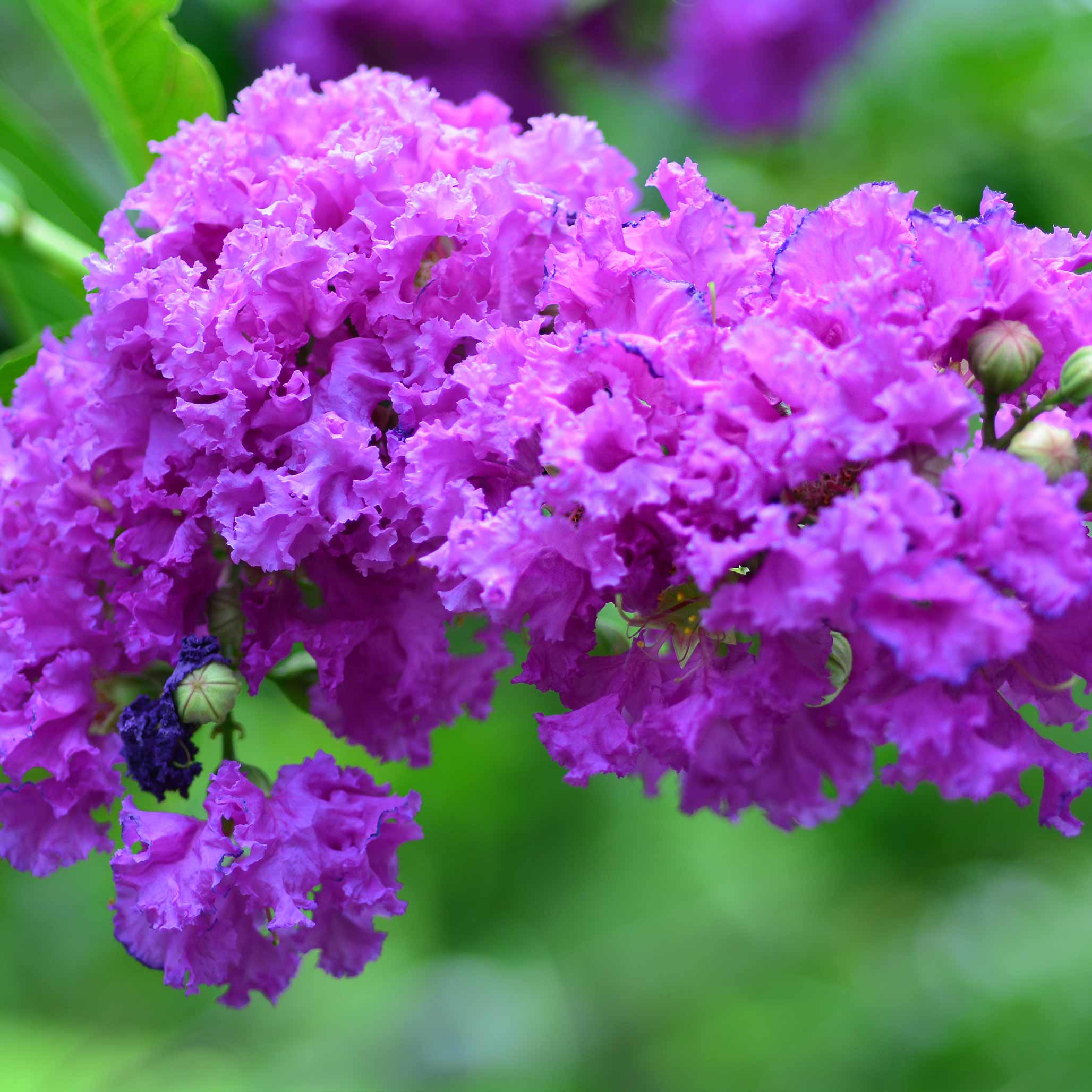
If you want a tree that earns its place in the landscape every single month of the year, the Catawba Crape Myrtle delivers. Known for its exceptionally rich, deep purple blooms — among the darkest of any crape myrtle variety — Catawba puts on a show from midsummer straight through fall, then transitions into stunning crimson-orange foliage before revealing its beautifully exfoliating bark in winter. Four seasons of interest, one tree.
Why Catawba Stands Out
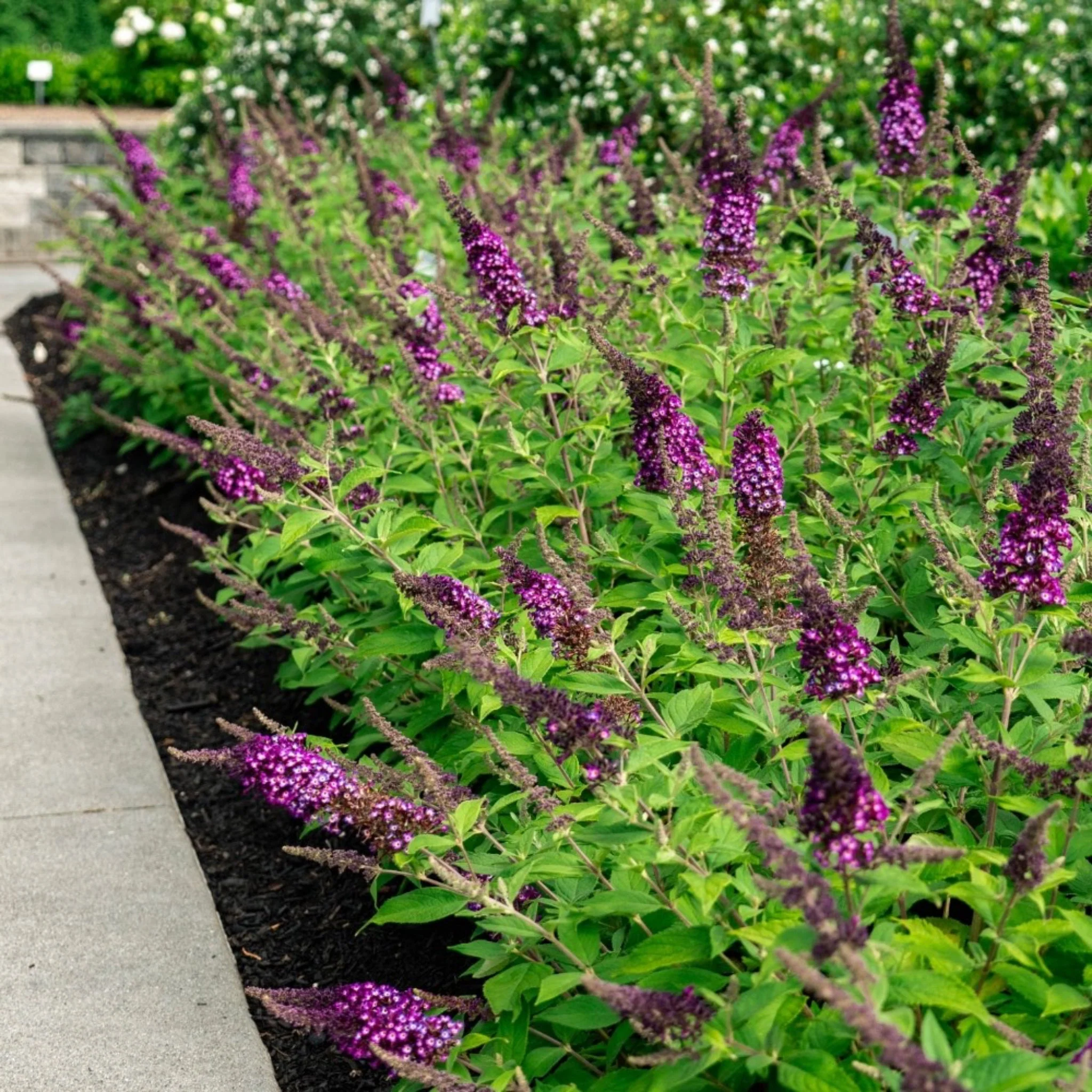
- Deepest purple blooms available – Rich violet-purple flower clusters that hold their color even in intense summer heat.
- Exceptionally long bloom season – Flowers from July through September; deadheading encourages repeat flushes.
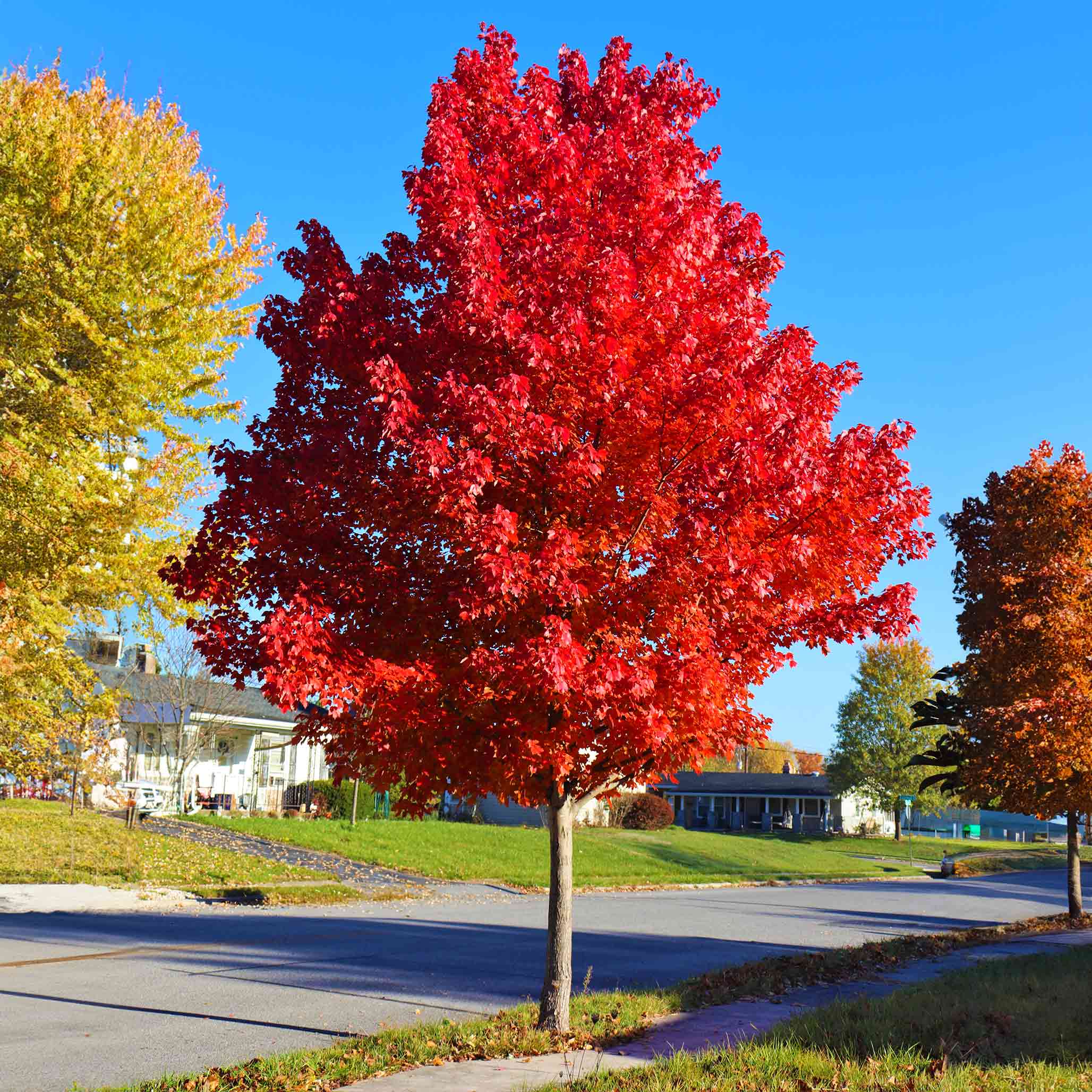
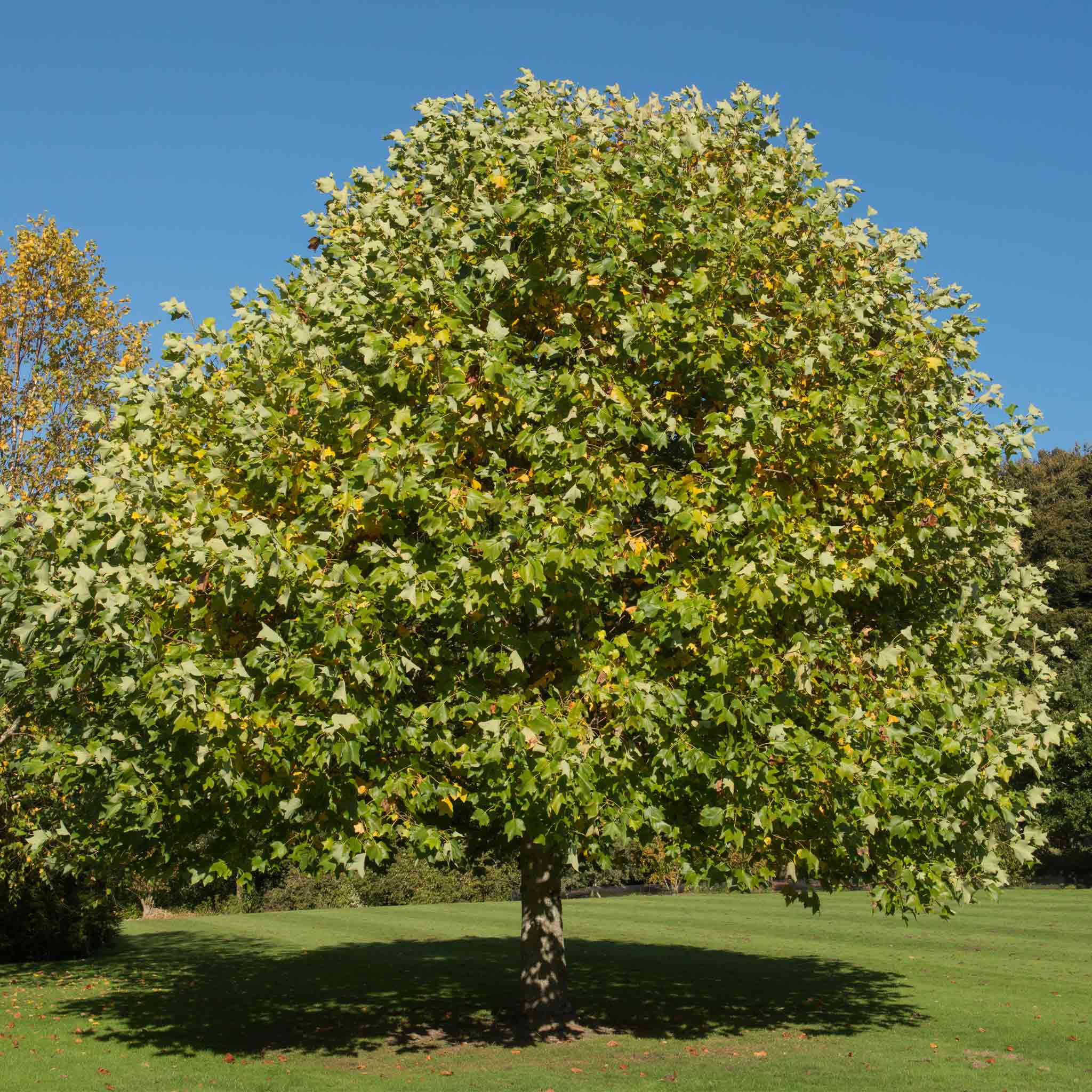
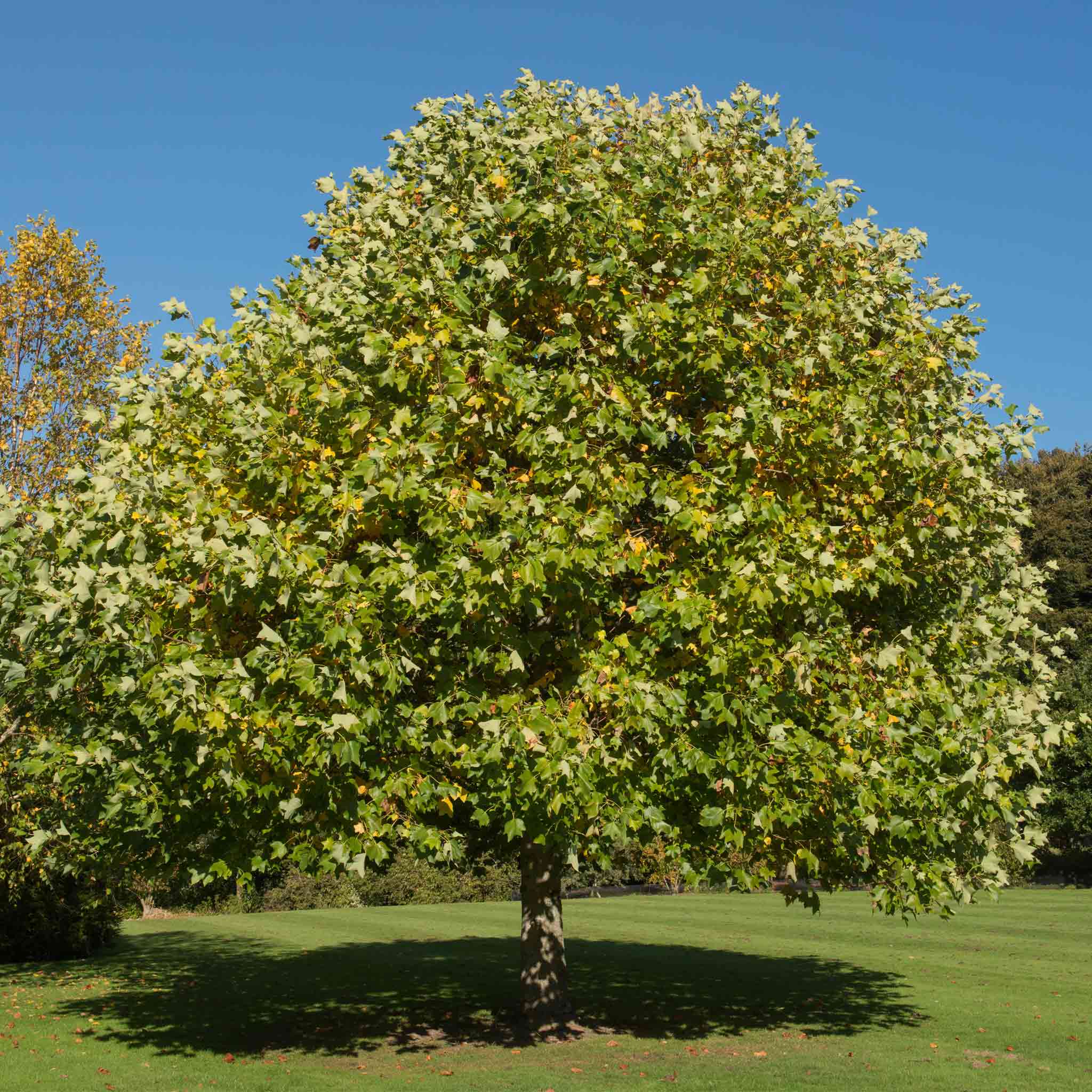
- Brilliant fall foliage – Leaves turn vivid orange-red in autumn for a second season of color.
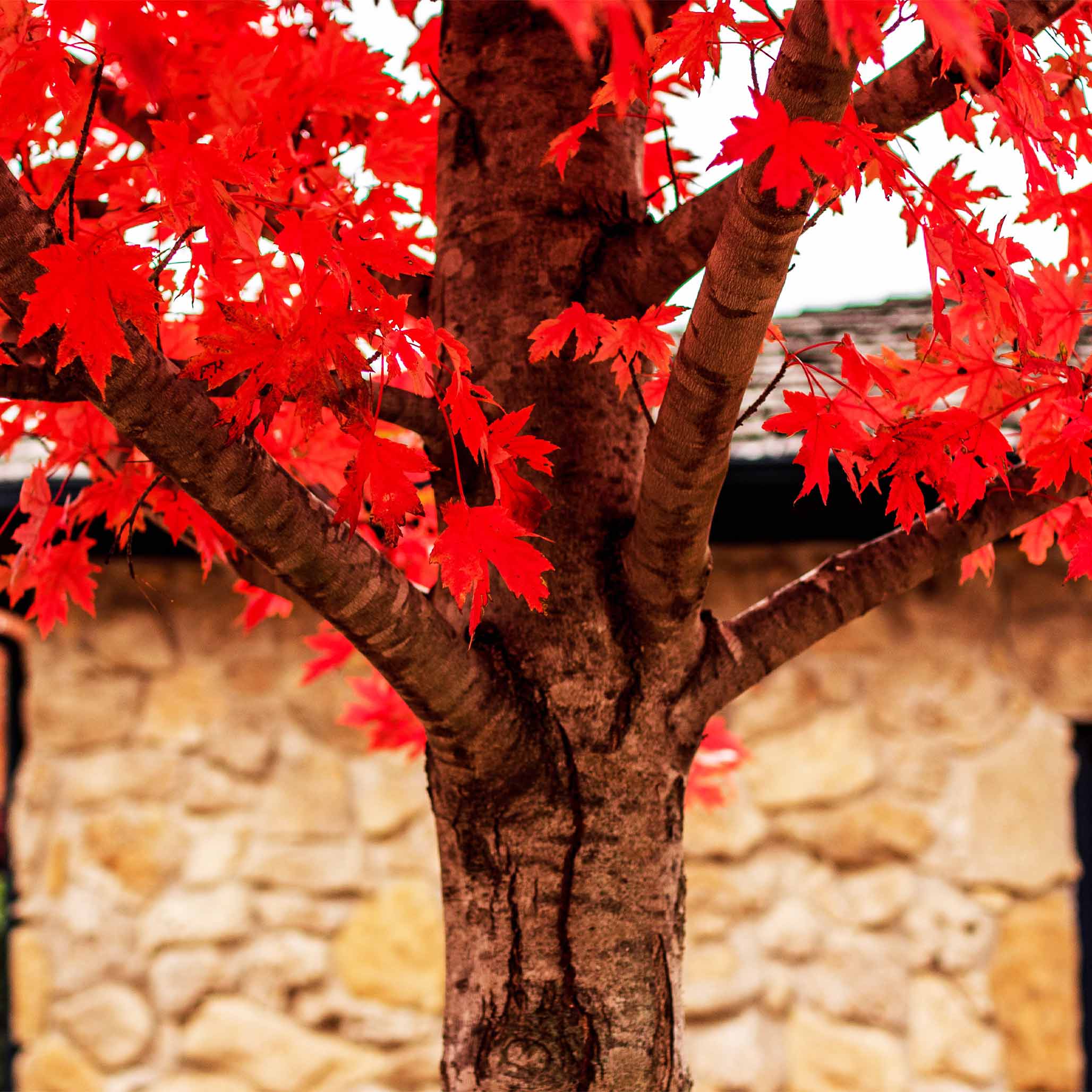
- Ornamental winter bark – Smooth, peeling cinnamon-colored bark adds sculptural interest when the tree is bare.
- Drought-tolerant once established – Thrives in heat and dry conditions; ideal for low-water landscapes.
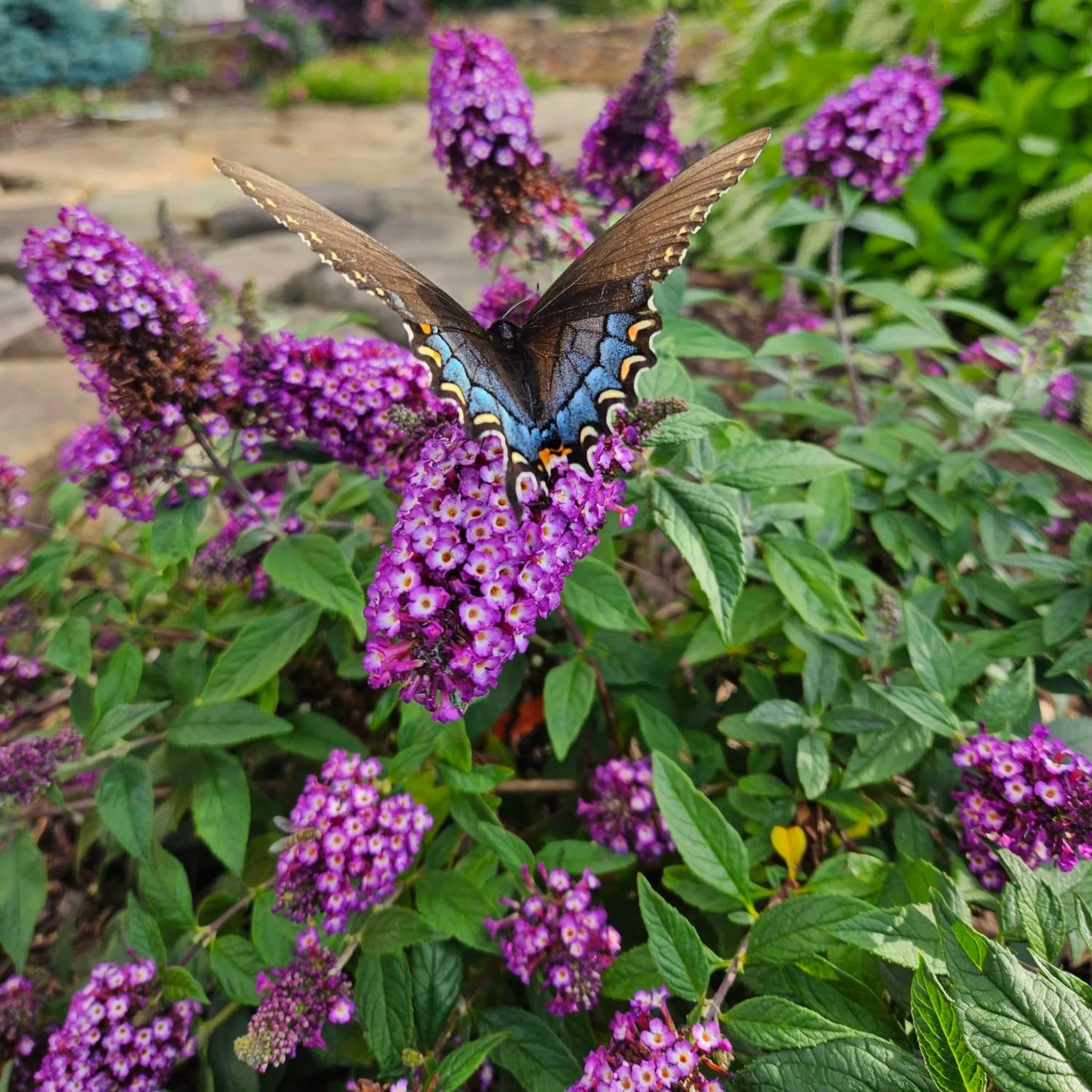
- Pollinator magnet – Attracts butterflies, bees, and hummingbirds throughout the bloom season.
- Versatile form – Works as a specimen tree, flowering hedge, border anchor, or street tree.
Landscape Uses
- Specimen focal point in lawn or garden beds
- Flowering privacy hedge or border planting
- Driveway or walkway lining
- Poolside or patio accent tree
- Mixed shrub border with contrasting foliage colors
Picture it: a July afternoon, your yard alive with deep purple blooms swaying in the breeze, butterflies drifting from cluster to cluster. Come October, those same branches are ablaze in orange-red. That’s the Catawba Crape Myrtle — a tree that never stops giving.
Growing Guide
- Zones: USDA 6–10
- Light: Full sun (6+ hours daily) — essential for maximum blooming
- Water: Regular watering in year one; drought-tolerant once established
- Soil: Well-draining; adaptable to clay, loam, and sandy soils
- Mature size: 15–25 ft. tall, 6–15 ft. wide (varies by pruning)
- Pruning tip: Avoid “crape murder” (topping). Light shaping in late winter is all that’s needed for a natural, graceful form.
Available Sizes
Choose from a 3-Gallon starter or a 4–5 ft. tree — both container-grown for easy establishment and a strong head start on blooming.
Love Crape Myrtles? Try This Next
For a compact, front-of-border companion, pair Catawba with the Bellini® Grape Crape Myrtle — a dwarf shrub form with the same deep purple blooms, perfect for layering in front of your Catawba for a cohesive, multi-height purple display.
Original: $99.95
-65%$99.95
$34.98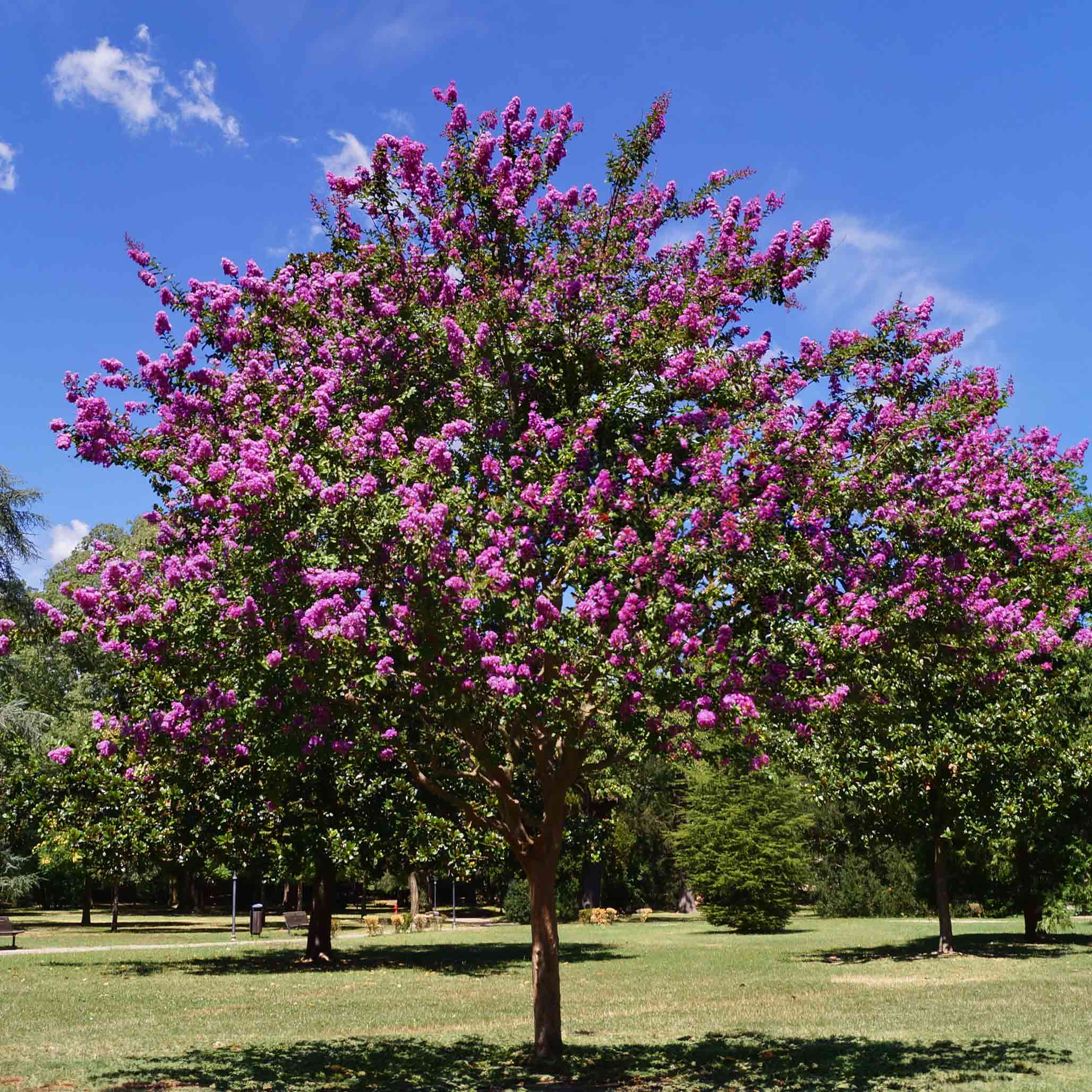
Description
Catawba Crape Myrtle – Bold Purple Color from Summer to Frost
If you want a tree that earns its place in the landscape every single month of the year, the Catawba Crape Myrtle delivers. Known for its exceptionally rich, deep purple blooms — among the darkest of any crape myrtle variety — Catawba puts on a show from midsummer straight through fall, then transitions into stunning crimson-orange foliage before revealing its beautifully exfoliating bark in winter. Four seasons of interest, one tree.
Why Catawba Stands Out
- Deepest purple blooms available – Rich violet-purple flower clusters that hold their color even in intense summer heat.
- Exceptionally long bloom season – Flowers from July through September; deadheading encourages repeat flushes.
- Brilliant fall foliage – Leaves turn vivid orange-red in autumn for a second season of color.
- Ornamental winter bark – Smooth, peeling cinnamon-colored bark adds sculptural interest when the tree is bare.
- Drought-tolerant once established – Thrives in heat and dry conditions; ideal for low-water landscapes.
- Pollinator magnet – Attracts butterflies, bees, and hummingbirds throughout the bloom season.
- Versatile form – Works as a specimen tree, flowering hedge, border anchor, or street tree.
Landscape Uses
- Specimen focal point in lawn or garden beds
- Flowering privacy hedge or border planting
- Driveway or walkway lining
- Poolside or patio accent tree
- Mixed shrub border with contrasting foliage colors
Picture it: a July afternoon, your yard alive with deep purple blooms swaying in the breeze, butterflies drifting from cluster to cluster. Come October, those same branches are ablaze in orange-red. That’s the Catawba Crape Myrtle — a tree that never stops giving.
Growing Guide
- Zones: USDA 6–10
- Light: Full sun (6+ hours daily) — essential for maximum blooming
- Water: Regular watering in year one; drought-tolerant once established
- Soil: Well-draining; adaptable to clay, loam, and sandy soils
- Mature size: 15–25 ft. tall, 6–15 ft. wide (varies by pruning)
- Pruning tip: Avoid “crape murder” (topping). Light shaping in late winter is all that’s needed for a natural, graceful form.
Available Sizes
Choose from a 3-Gallon starter or a 4–5 ft. tree — both container-grown for easy establishment and a strong head start on blooming.
Love Crape Myrtles? Try This Next
For a compact, front-of-border companion, pair Catawba with the Bellini® Grape Crape Myrtle — a dwarf shrub form with the same deep purple blooms, perfect for layering in front of your Catawba for a cohesive, multi-height purple display.