Cherokee Brave® Pink Dogwood Tree
Cherokee Brave® Pink Dogwood – The Boldest Pink in the Spring Garden
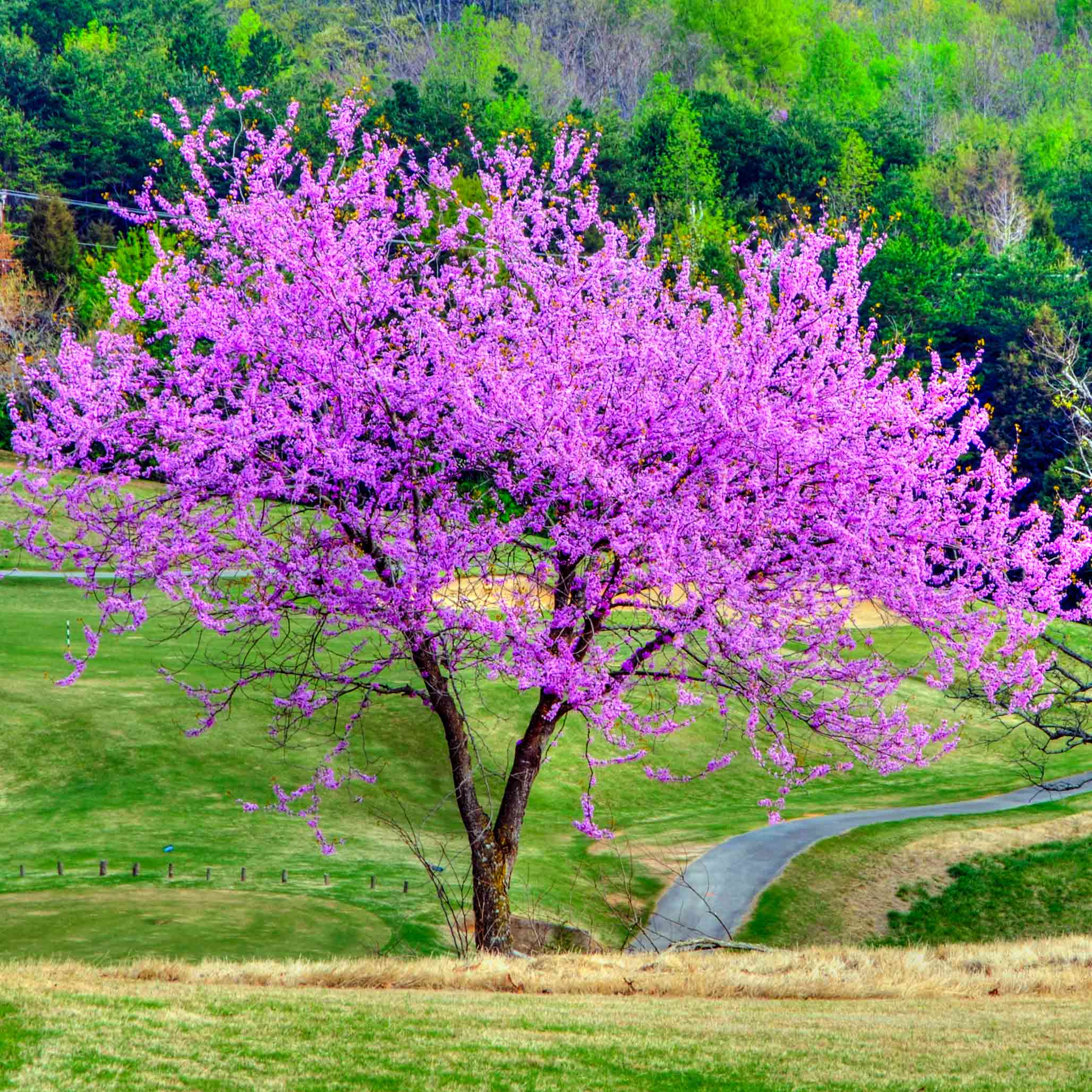
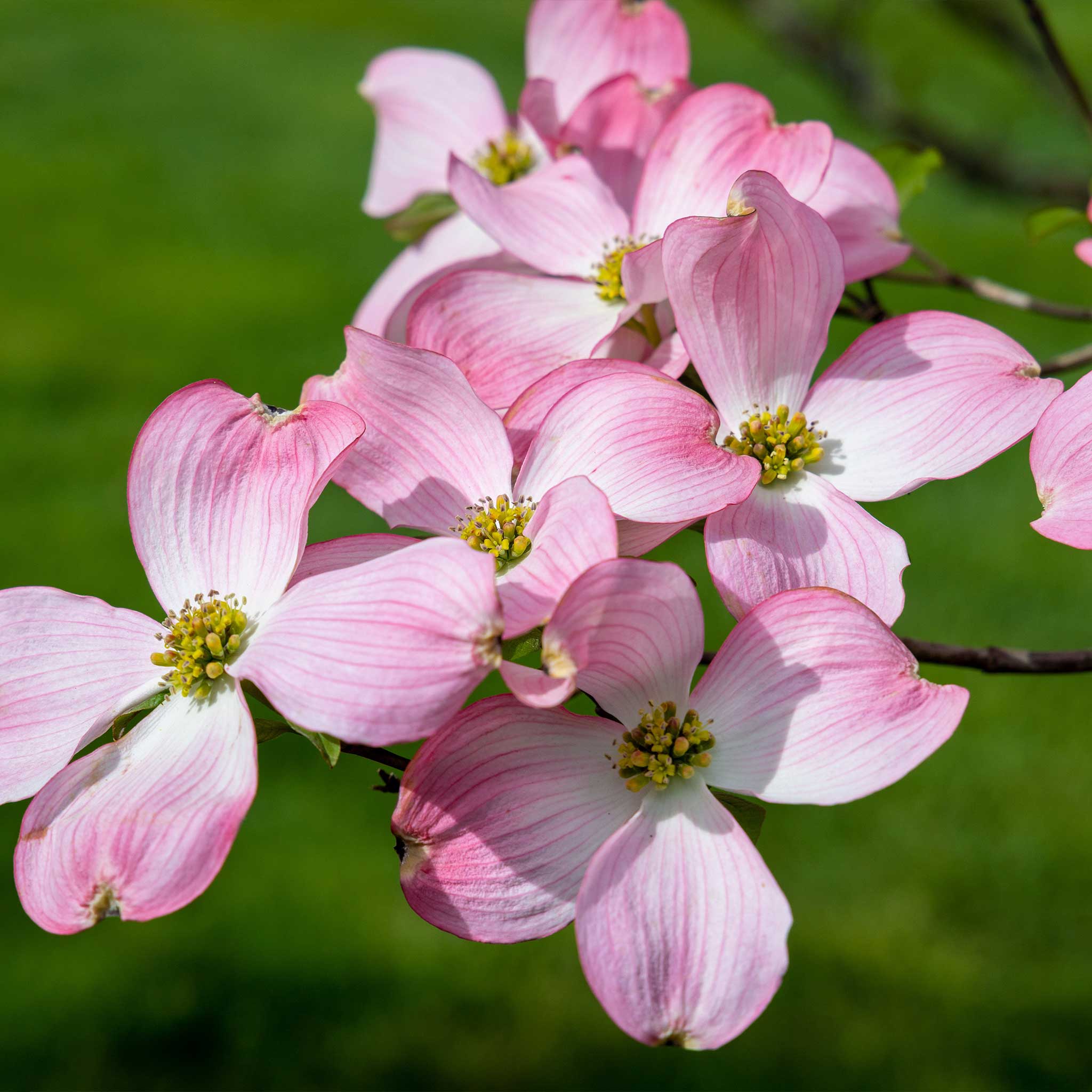
When the Cherokee Brave® Pink Dogwood blooms in spring, it doesn’t whisper — it announces itself. Known for producing some of the deepest, richest rose-pink blooms of any dogwood variety, Cherokee Brave is the tree that stops traffic, draws neighbors over the fence, and makes your yard the one everyone remembers. And once spring fades, it keeps delivering — through lush summer shade, brilliant fall color, and bright red winter berries that feed the birds long after the leaves have dropped.
What Makes Cherokee Brave Stand Out
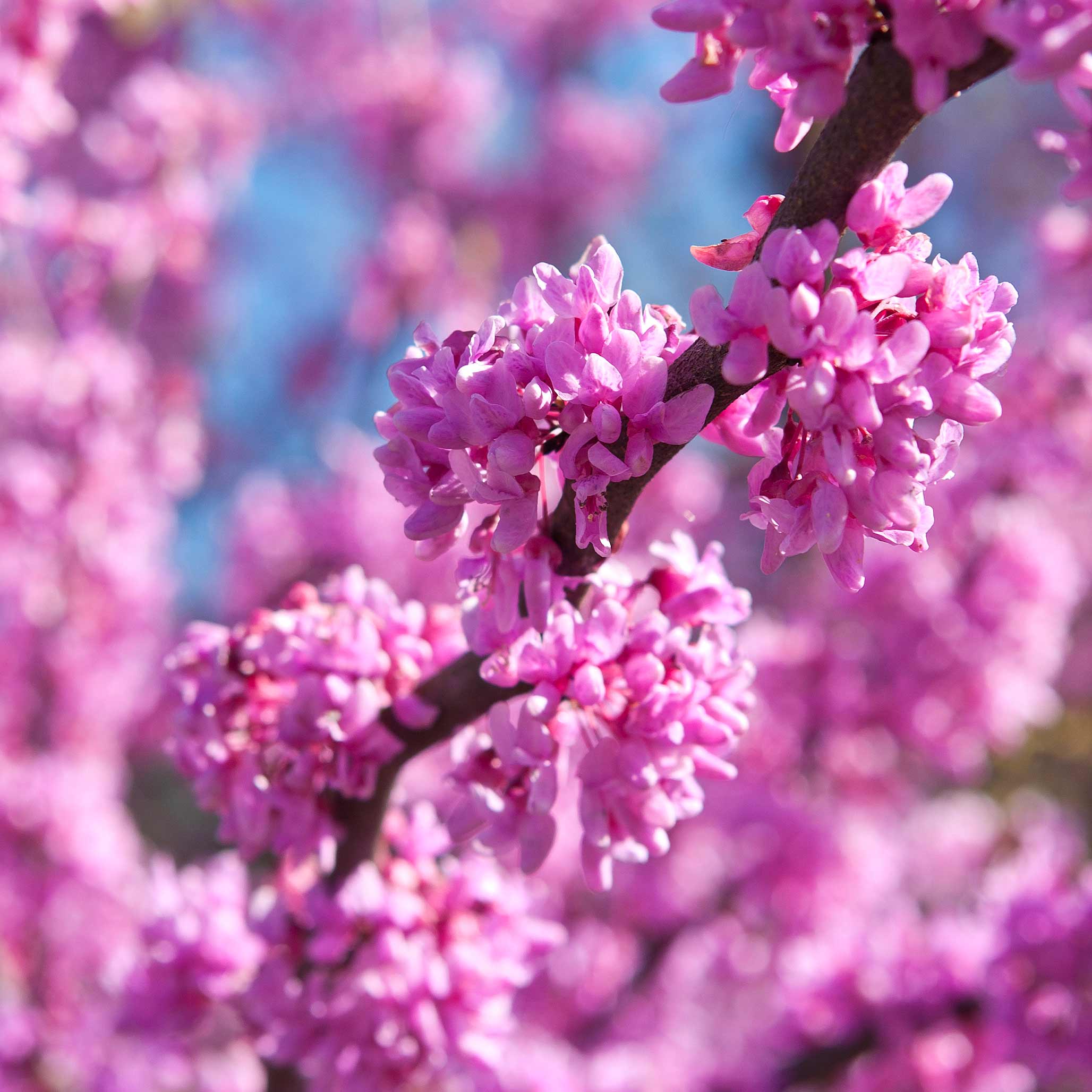
- Deepest pink blooms of any dogwood – Rich rose-pink bracts with a distinctive red edge — far bolder than standard pink dogwood varieties.
- True four-season interest – Spring blooms → summer shade canopy → scarlet fall foliage → red berry clusters through winter.
- Wildlife magnet – Red berries are a favorite of songbirds, thrushes, and robins; branches provide nesting cover.
- Shade tolerant – One of the few flowering trees that thrives under the canopy of larger trees or on the north side of a home.
- Disease resistant – Improved resistance to dogwood anthracnose and powdery mildew compared to native species.
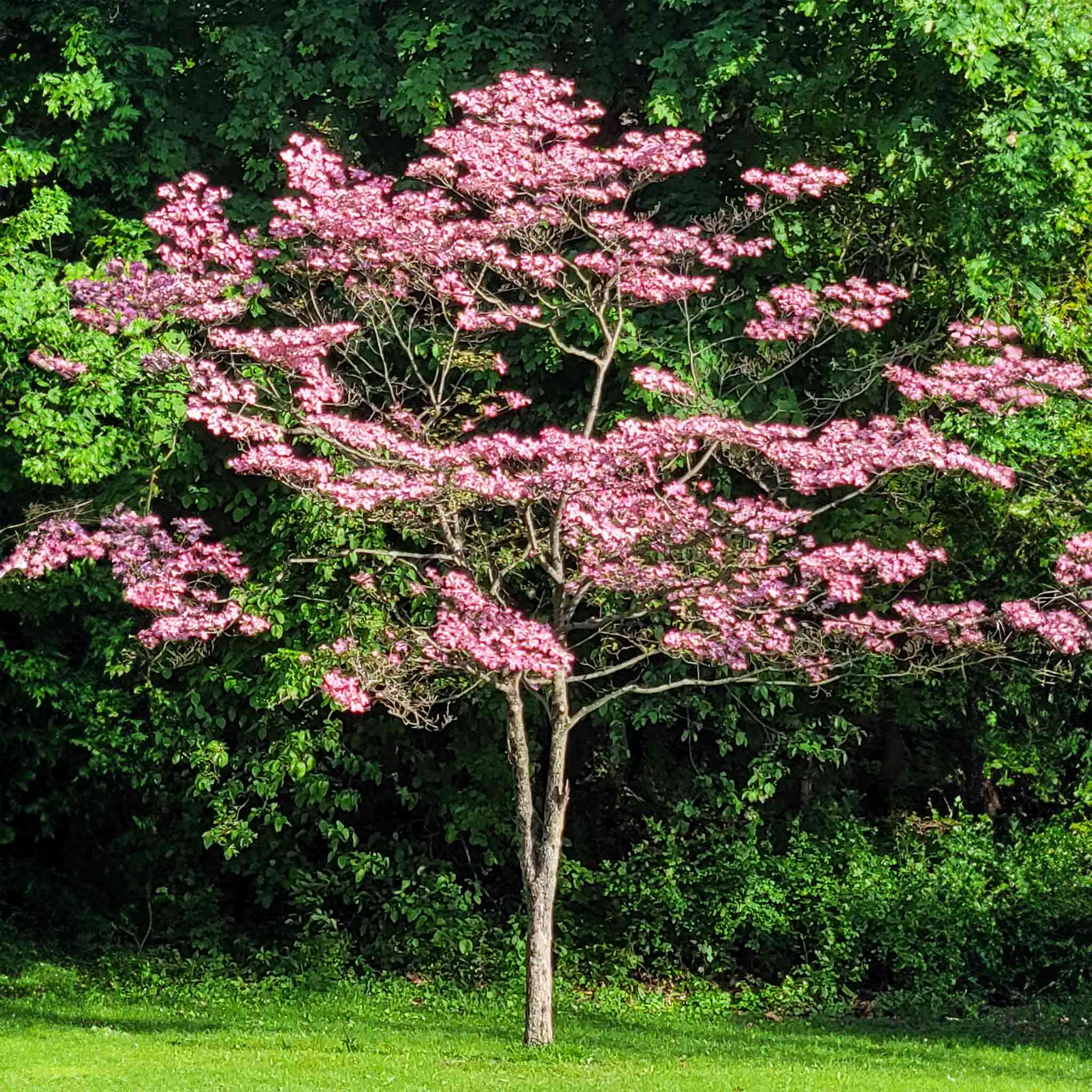
- Compact, layered form – Horizontal branching creates a naturally elegant, multi-tiered silhouette with no pruning required.
Ideal Planting Situations
- Understory specimen beneath taller oaks, maples, or pines
- Front yard focal point or entry garden anchor
- Woodland garden or naturalized border
- Paired with spring bulbs for a layered seasonal display
- Bird and wildlife garden plantings
Imagine early April — your yard still waking up from winter — and suddenly the Cherokee Brave erupts in a cloud of deep rose-pink. Weeks before most trees have leafed out, it’s already the star of the neighborhood. That’s the magic of a dogwood done right.
Growing Guide
- Zones: USDA 5–9
- Light: Full sun to partial shade — performs beautifully as an understory tree
- Water: Regular watering in year one; moderate moisture needs once established. Avoid drought stress in summer.
- Soil: Moist, well-draining, slightly acidic soil (pH 5.5–6.5). Amend with compost at planting.
- Mature size: 15–25 ft. tall, 15–20 ft. wide
- Bloom time: March–May (varies by zone)
- Tip: Mulch the root zone to retain moisture and keep roots cool — dogwoods have shallow roots that benefit greatly from a 3–4 inch mulch ring.
Available Sizes
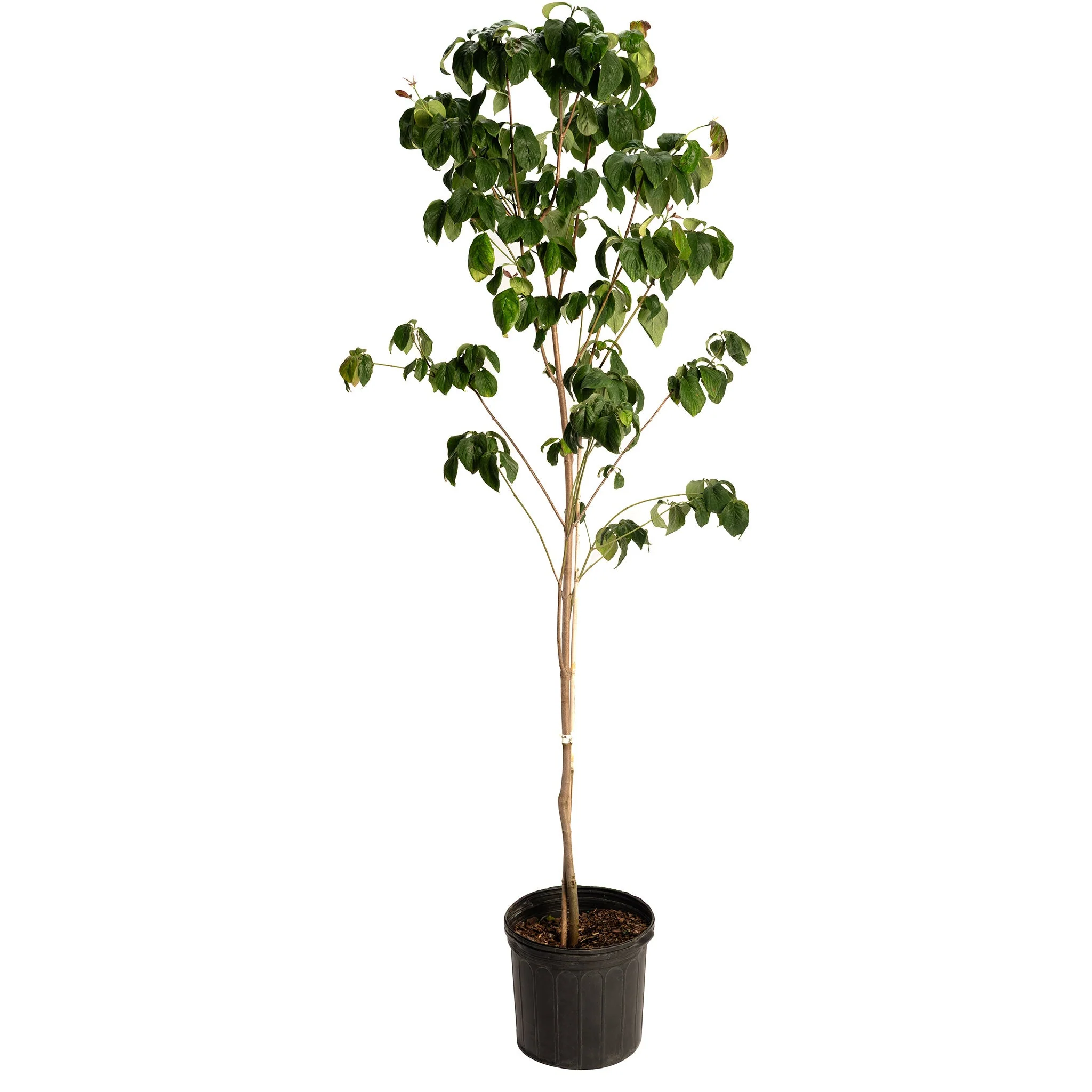
Choose from 2–3 ft., 3–4 ft., or 4–5 ft. trees — all container-grown for easy planting and a strong establishment advantage.
Comparing Dogwood Varieties?
If you love Cherokee Brave but want to explore your options, check out the Cherokee Chief Pink Dogwood — a classic variety with slightly lighter rose-red blooms and a similar four-season profile, perfect for side-by-side comparison before you decide.
Original: $119.95
-65%$119.95
$41.98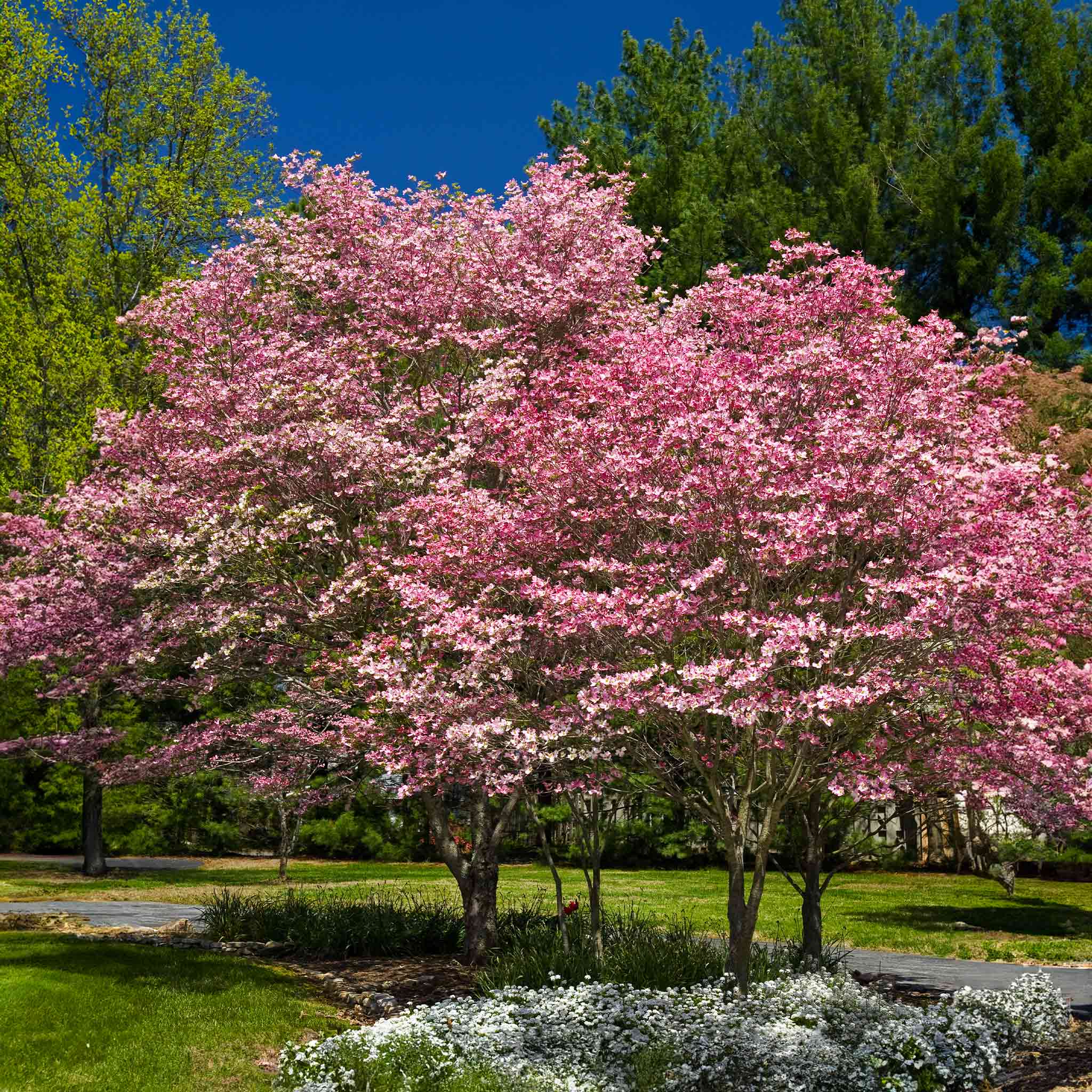
Description
Cherokee Brave® Pink Dogwood – The Boldest Pink in the Spring Garden
When the Cherokee Brave® Pink Dogwood blooms in spring, it doesn’t whisper — it announces itself. Known for producing some of the deepest, richest rose-pink blooms of any dogwood variety, Cherokee Brave is the tree that stops traffic, draws neighbors over the fence, and makes your yard the one everyone remembers. And once spring fades, it keeps delivering — through lush summer shade, brilliant fall color, and bright red winter berries that feed the birds long after the leaves have dropped.
What Makes Cherokee Brave Stand Out
- Deepest pink blooms of any dogwood – Rich rose-pink bracts with a distinctive red edge — far bolder than standard pink dogwood varieties.
- True four-season interest – Spring blooms → summer shade canopy → scarlet fall foliage → red berry clusters through winter.
- Wildlife magnet – Red berries are a favorite of songbirds, thrushes, and robins; branches provide nesting cover.
- Shade tolerant – One of the few flowering trees that thrives under the canopy of larger trees or on the north side of a home.
- Disease resistant – Improved resistance to dogwood anthracnose and powdery mildew compared to native species.
- Compact, layered form – Horizontal branching creates a naturally elegant, multi-tiered silhouette with no pruning required.
Ideal Planting Situations
- Understory specimen beneath taller oaks, maples, or pines
- Front yard focal point or entry garden anchor
- Woodland garden or naturalized border
- Paired with spring bulbs for a layered seasonal display
- Bird and wildlife garden plantings
Imagine early April — your yard still waking up from winter — and suddenly the Cherokee Brave erupts in a cloud of deep rose-pink. Weeks before most trees have leafed out, it’s already the star of the neighborhood. That’s the magic of a dogwood done right.
Growing Guide
- Zones: USDA 5–9
- Light: Full sun to partial shade — performs beautifully as an understory tree
- Water: Regular watering in year one; moderate moisture needs once established. Avoid drought stress in summer.
- Soil: Moist, well-draining, slightly acidic soil (pH 5.5–6.5). Amend with compost at planting.
- Mature size: 15–25 ft. tall, 15–20 ft. wide
- Bloom time: March–May (varies by zone)
- Tip: Mulch the root zone to retain moisture and keep roots cool — dogwoods have shallow roots that benefit greatly from a 3–4 inch mulch ring.
Available Sizes
Choose from 2–3 ft., 3–4 ft., or 4–5 ft. trees — all container-grown for easy planting and a strong establishment advantage.
Comparing Dogwood Varieties?
If you love Cherokee Brave but want to explore your options, check out the Cherokee Chief Pink Dogwood — a classic variety with slightly lighter rose-red blooms and a similar four-season profile, perfect for side-by-side comparison before you decide.