Cherokee Chief Pink Dogwood
Cherokee Chief Pink Dogwood — The Deepest Pink of Any Flowering Dogwood
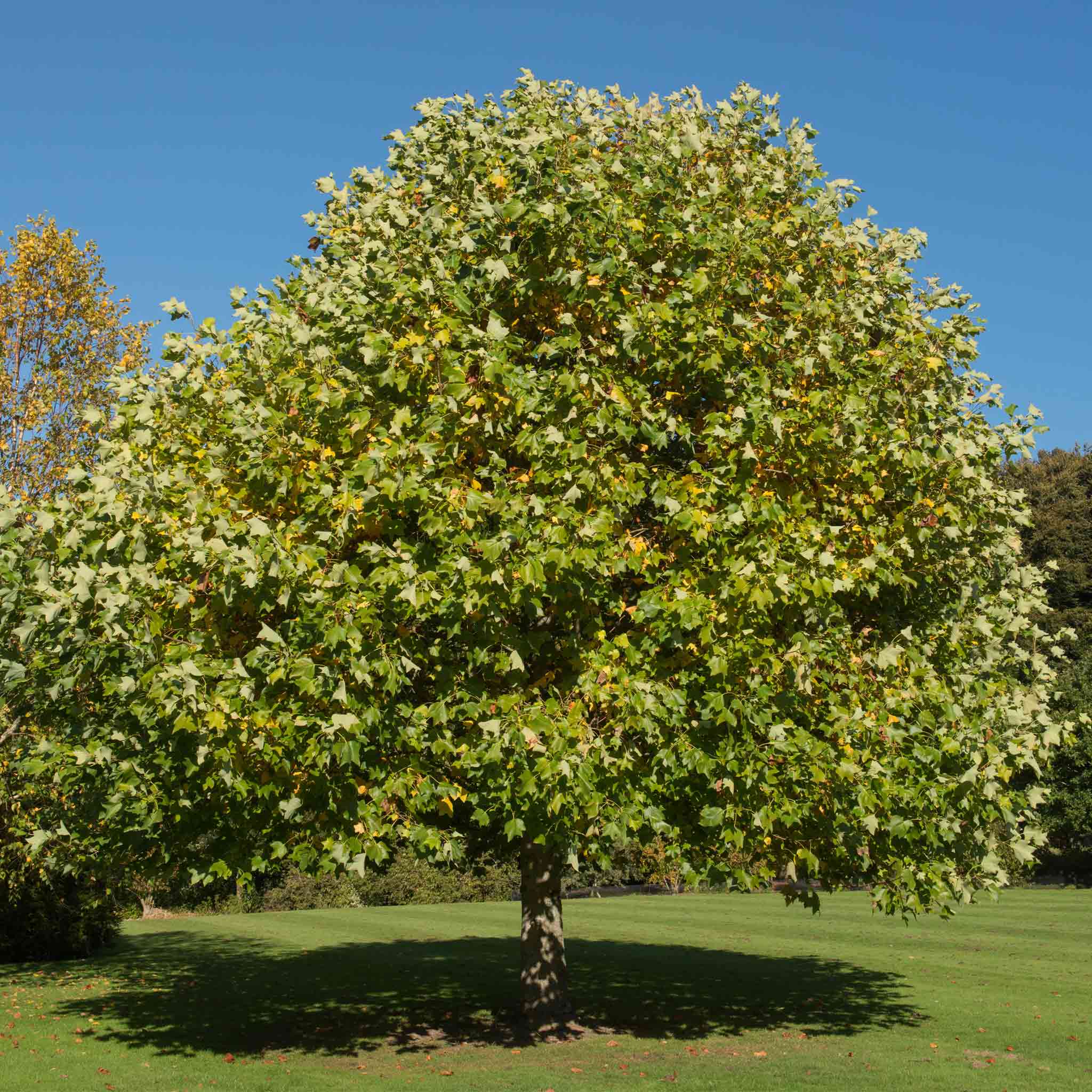
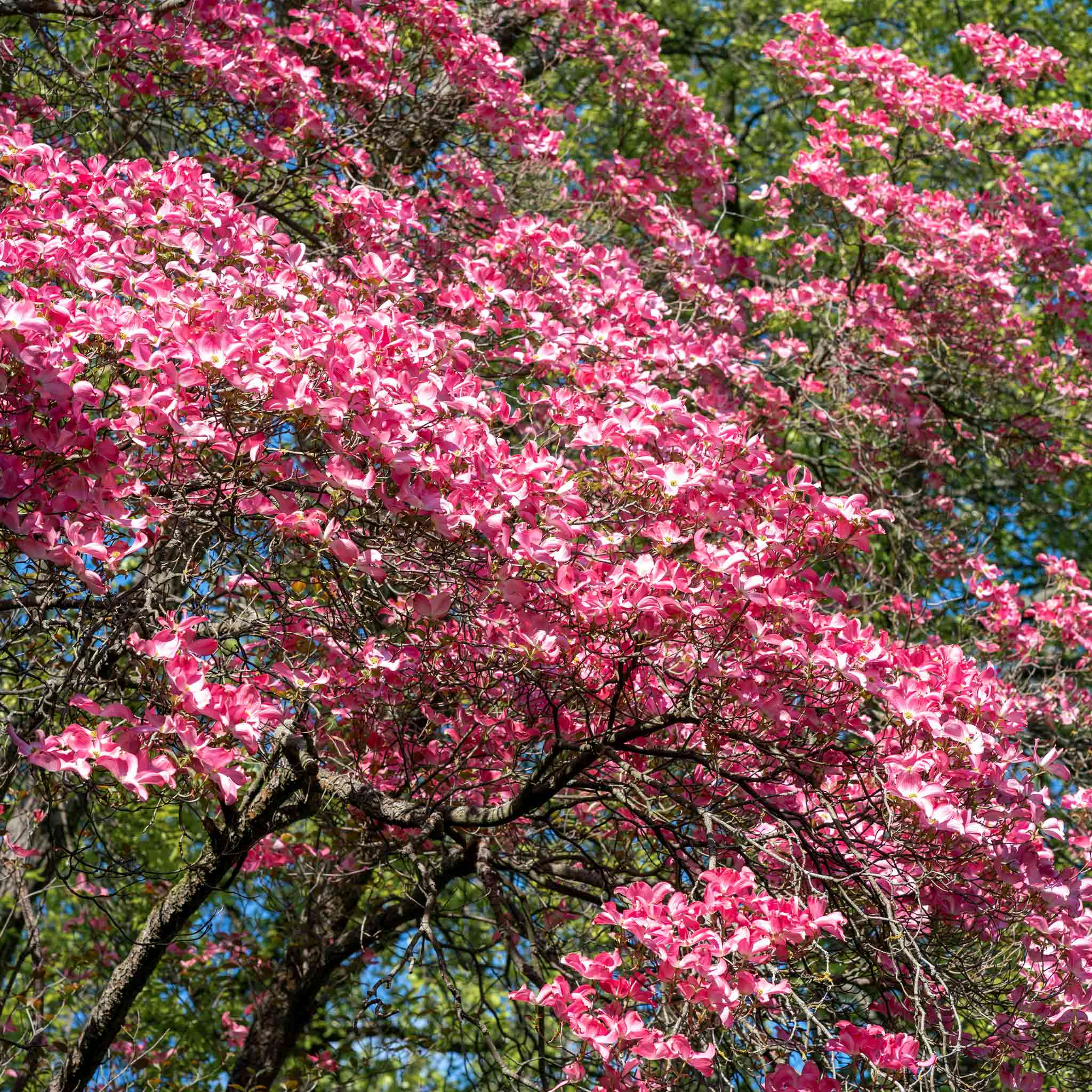
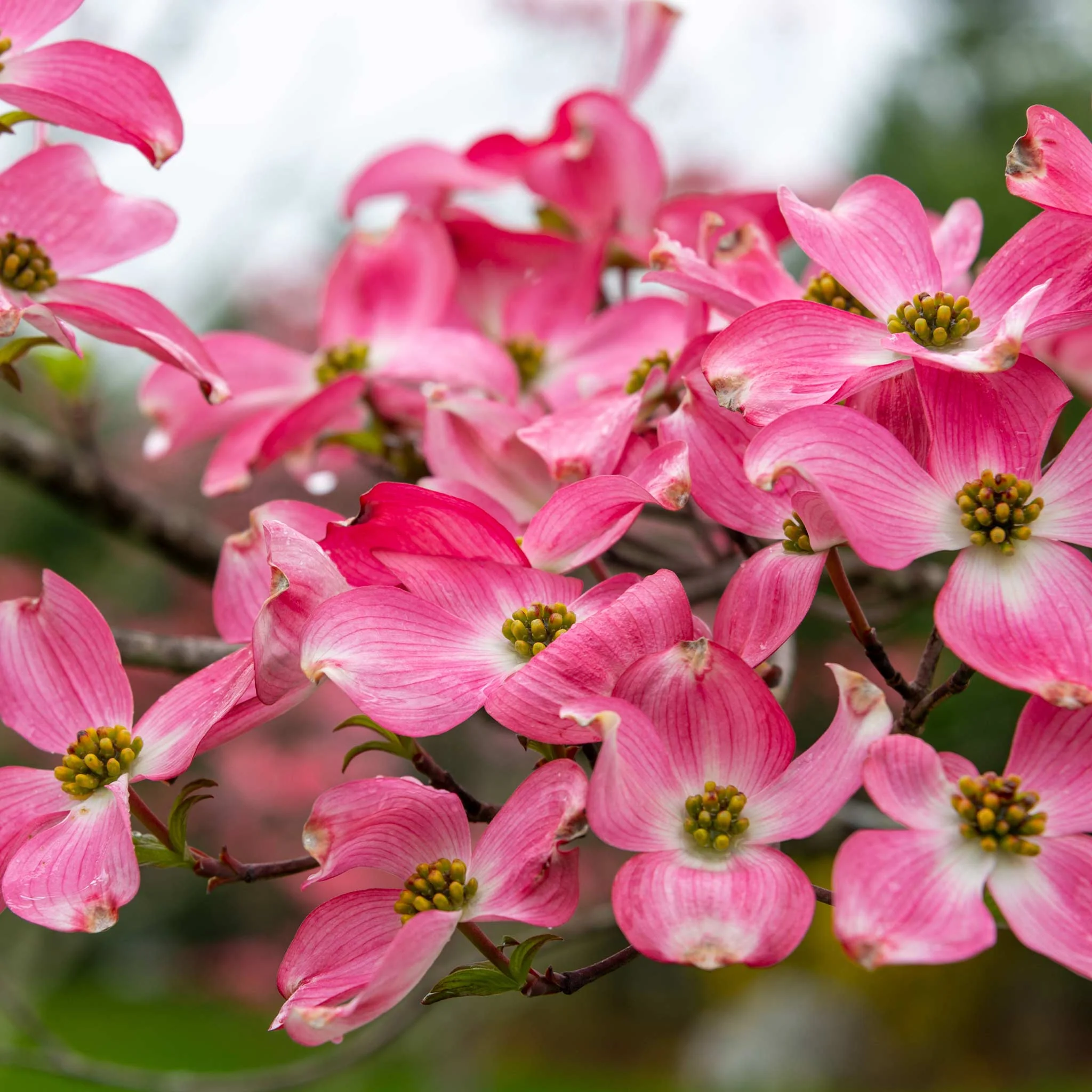
Among flowering dogwoods, the Cherokee Chief stands apart for one defining reason: its blooms are a rich, deep rose-pink — far more saturated and vivid than the pale blush of standard pink dogwoods. In early spring, before the leaves fully emerge, the branches are blanketed in these striking flowers, creating one of the most dramatic spring displays of any native tree. And the show doesn't stop there — summer brings glossy red berries, fall delivers brilliant scarlet foliage, and winter reveals an elegant layered branching structure that's beautiful even bare.
Why Gardeners Choose Cherokee Chief
- Exceptionally Deep Pink Blooms: Richer, more saturated rose-pink color than standard pink dogwood varieties — a true standout in the spring landscape.
- Four-Season Interest: Spring blooms, summer red berries, vivid scarlet fall foliage, and a graceful horizontal branching structure in winter.
- Wildlife-Friendly: The bright red summer berries are a favorite of songbirds, making this tree a living bird feeder through late summer and fall.
- Native Tree: A cultivar of the native Flowering Dogwood (Cornus florida), naturally adapted to eastern U.S. conditions and supportive of local ecosystems.
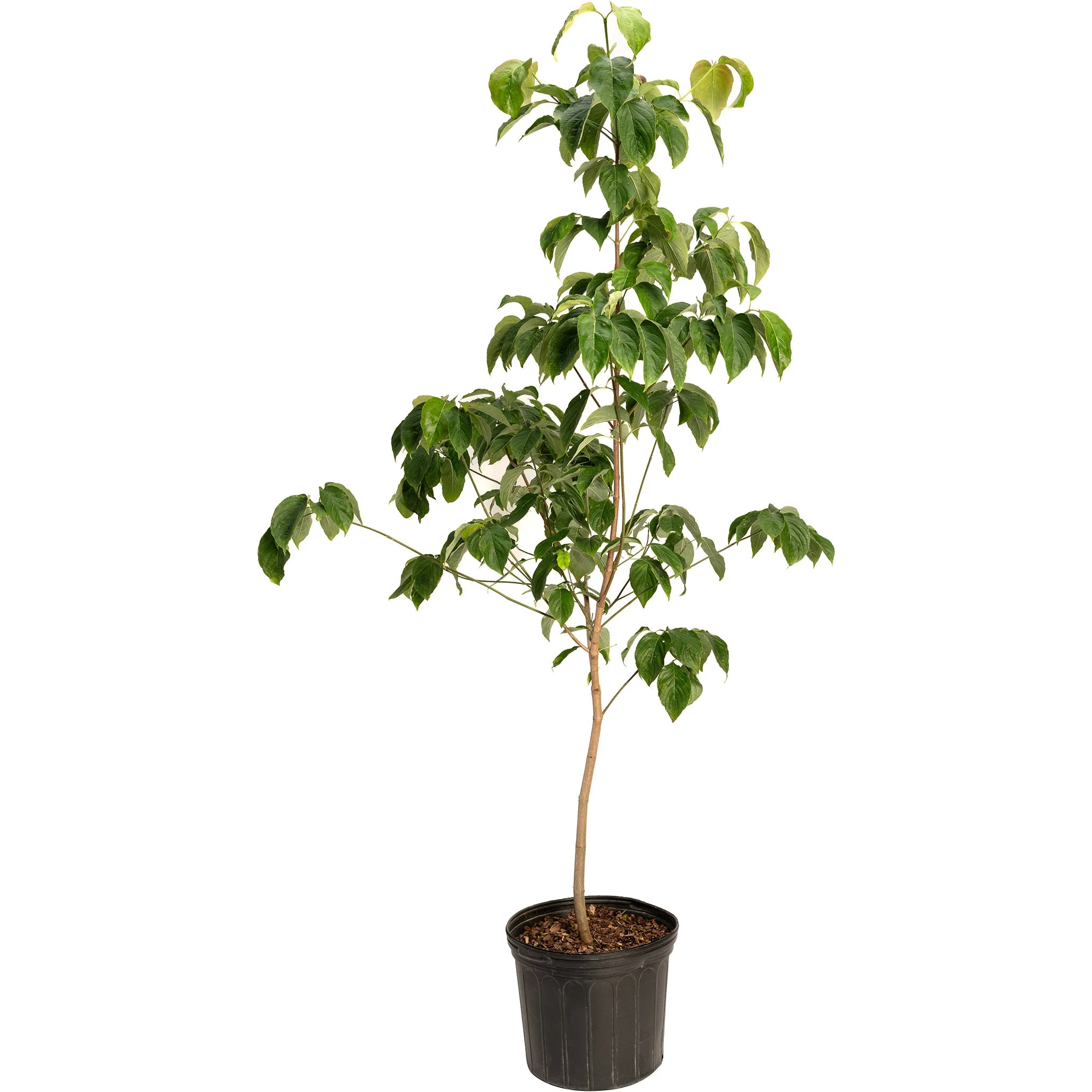
- Right-Sized for Most Landscapes: Reaches a graceful 15–20 ft. at maturity — ideal for smaller yards, woodland edges, or as an understory specimen beneath larger trees.
- Low Maintenance: Adaptable to a range of well-drained soils, requires minimal pruning, and thrives with part shade protection in hotter climates.
Growing Guide
- Light: Full sun to part shade (afternoon shade beneficial in hot climates)
- Water: Regular watering; keep soil consistently moist but well-drained
- Hardiness: USDA Zones 5–9
- Mature Height: 15–20 ft.
- Bloom Time: Early spring (March–April), before or with leaf emergence
- Available Sizes: 3–4 ft. (3G), 3–4 ft. (5G), 4–5 ft.
Plant it where you can see it from inside the house in March — that first flush of deep pink against a grey early-spring sky is one of the most quietly thrilling moments a garden can offer.
Explore More Spring-Blooming Trees
- Kwanzan Flowering Cherry Tree — lush double pink blooms on a classic upright form, a perfect companion in a spring-blooming garden
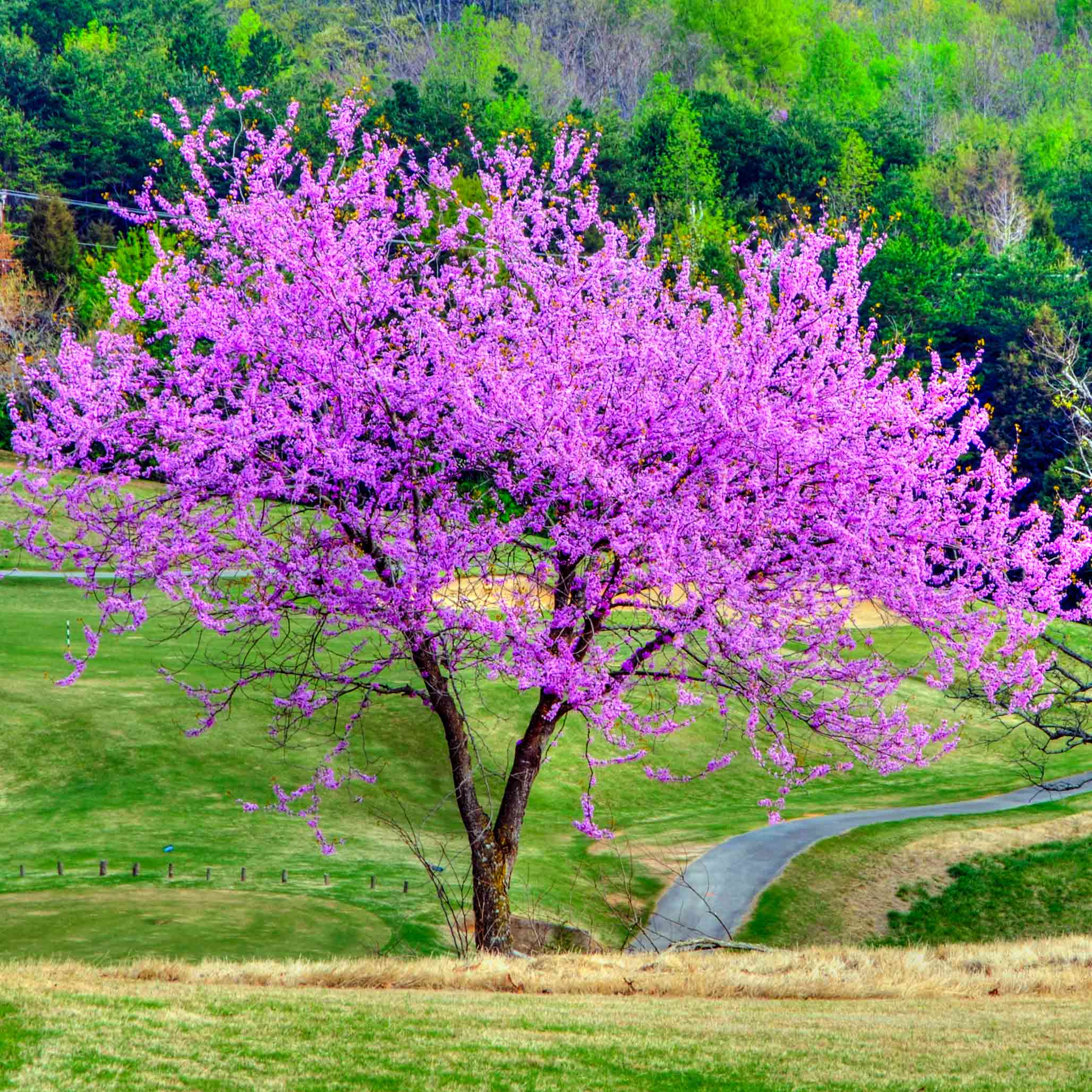
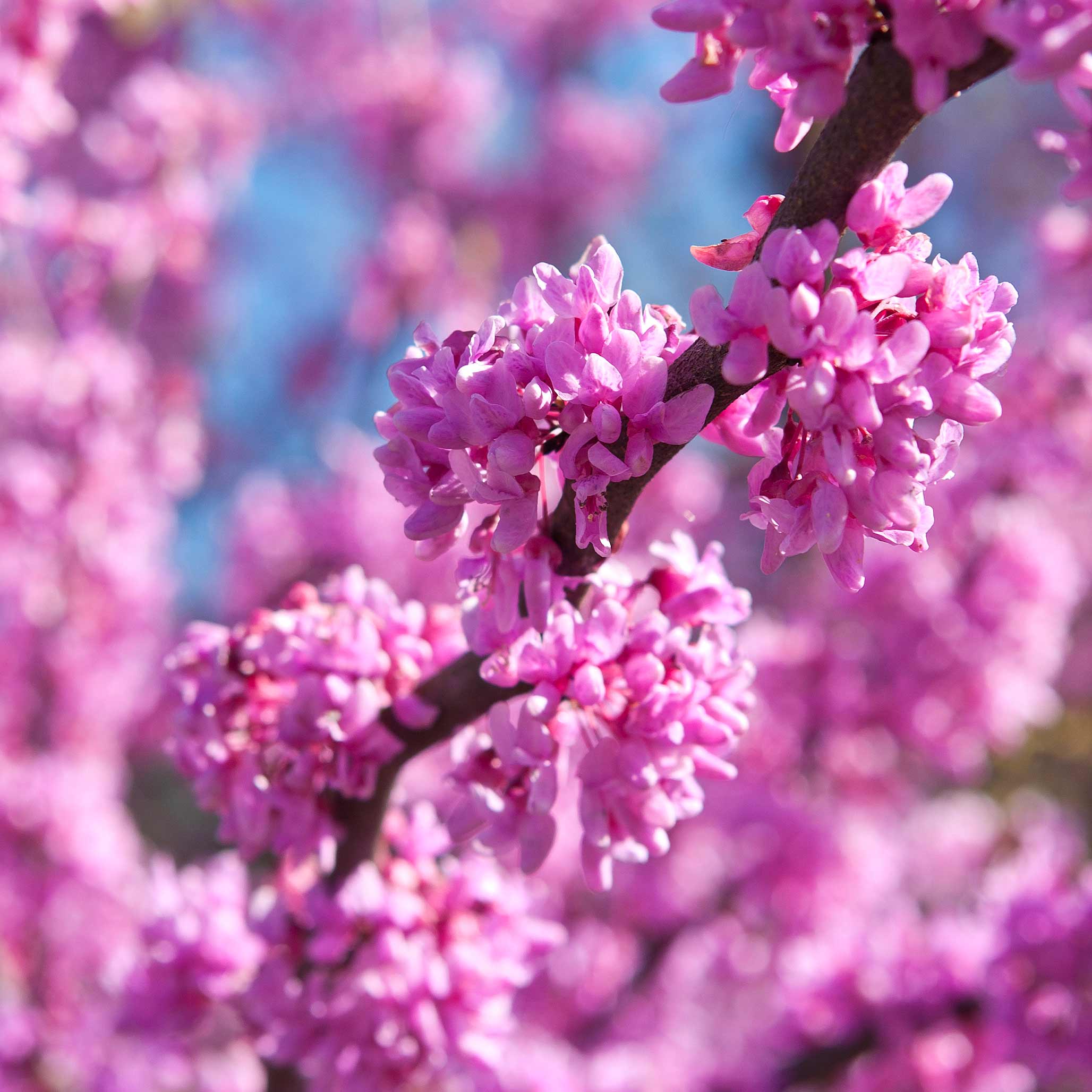
- Eastern Redbud Tree — brilliant magenta-pink blooms that emerge even earlier in spring, extending the season before the dogwood peaks
Original: $119.95
-65%$119.95
$41.98
Description
Cherokee Chief Pink Dogwood — The Deepest Pink of Any Flowering Dogwood
Among flowering dogwoods, the Cherokee Chief stands apart for one defining reason: its blooms are a rich, deep rose-pink — far more saturated and vivid than the pale blush of standard pink dogwoods. In early spring, before the leaves fully emerge, the branches are blanketed in these striking flowers, creating one of the most dramatic spring displays of any native tree. And the show doesn't stop there — summer brings glossy red berries, fall delivers brilliant scarlet foliage, and winter reveals an elegant layered branching structure that's beautiful even bare.
Why Gardeners Choose Cherokee Chief
- Exceptionally Deep Pink Blooms: Richer, more saturated rose-pink color than standard pink dogwood varieties — a true standout in the spring landscape.
- Four-Season Interest: Spring blooms, summer red berries, vivid scarlet fall foliage, and a graceful horizontal branching structure in winter.
- Wildlife-Friendly: The bright red summer berries are a favorite of songbirds, making this tree a living bird feeder through late summer and fall.
- Native Tree: A cultivar of the native Flowering Dogwood (Cornus florida), naturally adapted to eastern U.S. conditions and supportive of local ecosystems.
- Right-Sized for Most Landscapes: Reaches a graceful 15–20 ft. at maturity — ideal for smaller yards, woodland edges, or as an understory specimen beneath larger trees.
- Low Maintenance: Adaptable to a range of well-drained soils, requires minimal pruning, and thrives with part shade protection in hotter climates.
Growing Guide
- Light: Full sun to part shade (afternoon shade beneficial in hot climates)
- Water: Regular watering; keep soil consistently moist but well-drained
- Hardiness: USDA Zones 5–9
- Mature Height: 15–20 ft.
- Bloom Time: Early spring (March–April), before or with leaf emergence
- Available Sizes: 3–4 ft. (3G), 3–4 ft. (5G), 4–5 ft.
Plant it where you can see it from inside the house in March — that first flush of deep pink against a grey early-spring sky is one of the most quietly thrilling moments a garden can offer.
Explore More Spring-Blooming Trees
- Kwanzan Flowering Cherry Tree — lush double pink blooms on a classic upright form, a perfect companion in a spring-blooming garden
- Eastern Redbud Tree — brilliant magenta-pink blooms that emerge even earlier in spring, extending the season before the dogwood peaks