Chicago Hardy Fig Tree – The Most Cold-Hardy Fig You Can Grow
Chicago Hardy Fig Tree – The Most Cold-Hardy Fig You Can Grow
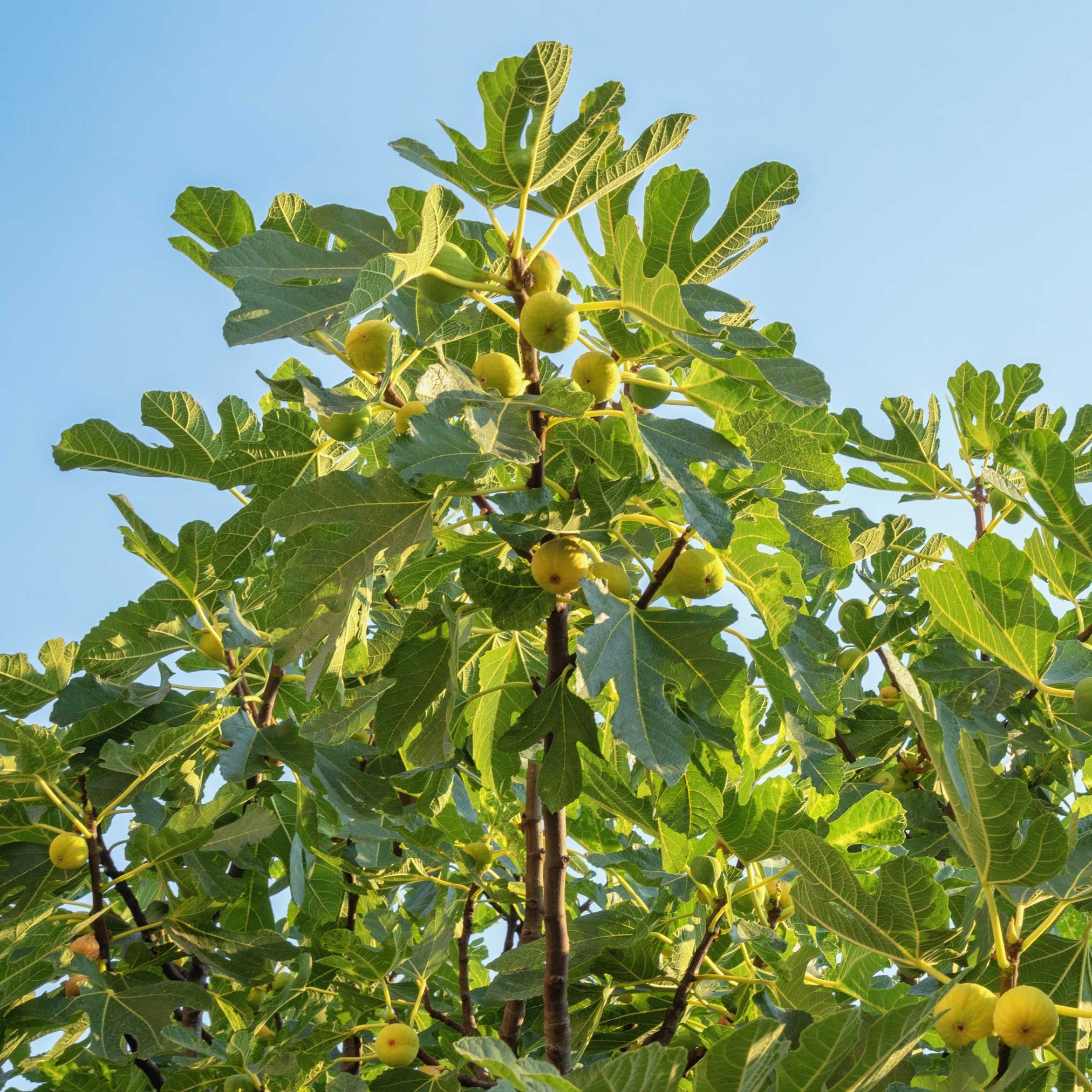
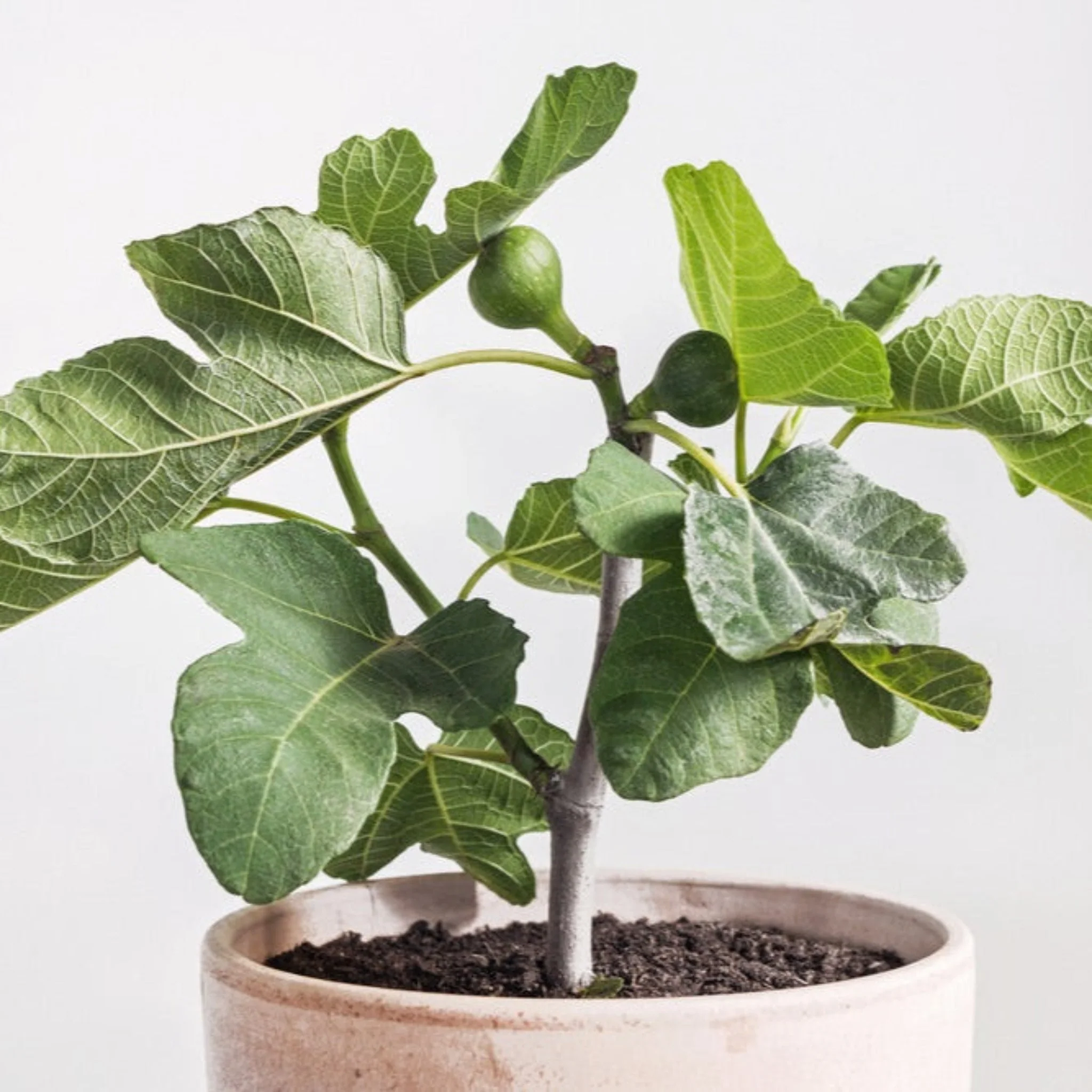
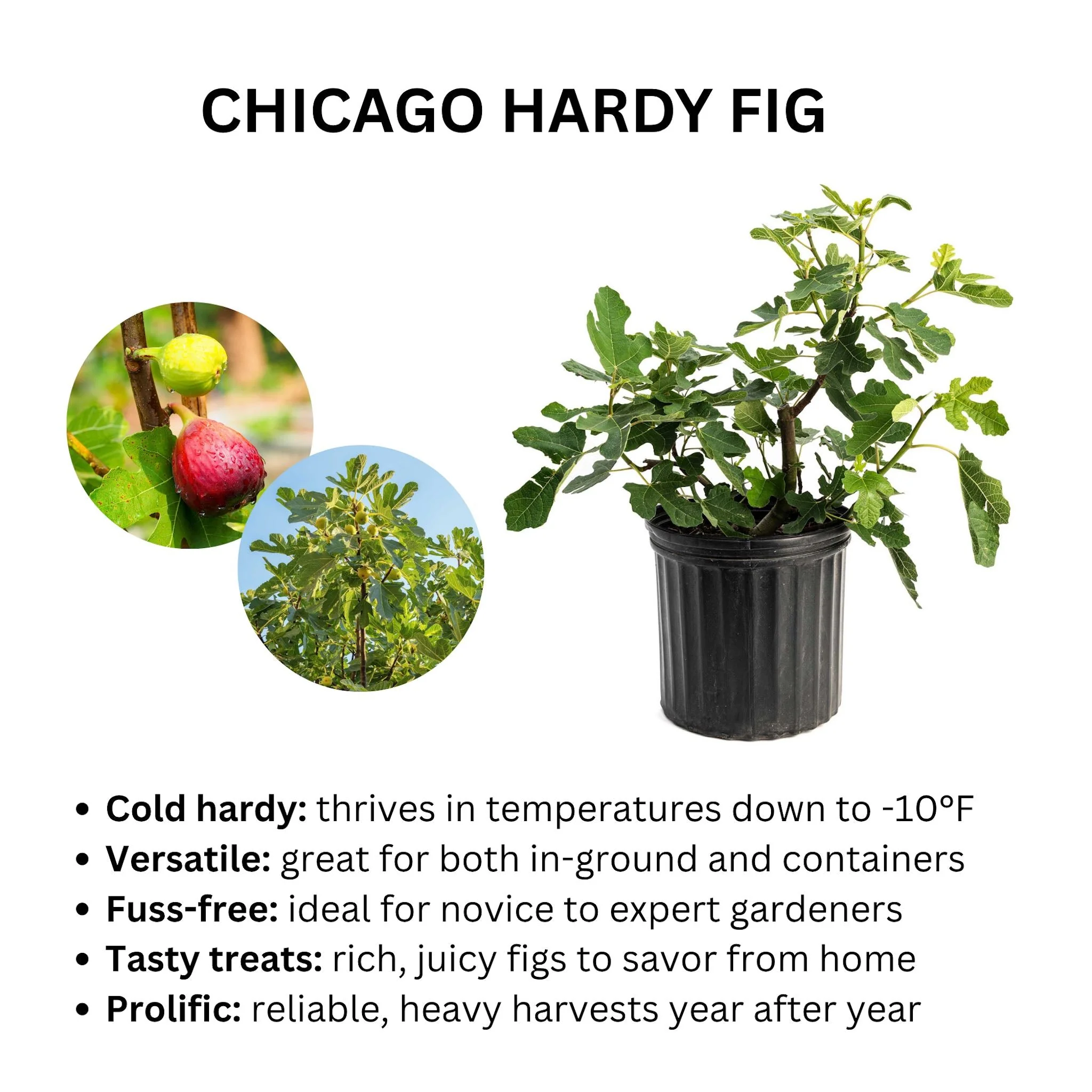
Figs and cold winters don’t usually mix — but the Chicago Hardy Fig Tree changes the rules. Surviving temperatures down to −10°F and reliably resprouting from the roots even after hard freezes, Chicago Hardy is the fig variety that makes homegrown figs possible for northern gardeners who thought they were out of luck.
Developed and proven in the harsh winters of the Chicago area, this variety produces sweet, rich, reddish-purple figs with classic fig flavor — and it does so with minimal care, in a wide range of soils, and across an extraordinary climate range. Available from 1 Gallon starters through established 4–5 ft. trees, with money-saving 2-Packs for maximum production.
Why You’ll Love the Chicago Hardy Fig Tree
- Exceptional Cold Hardiness: Survives temperatures down to −10°F — one of the most cold-tolerant fig varieties in existence
- Regrows from the Roots: Even if stems are killed by a hard freeze, Chicago Hardy reliably regrows vigorously from the root system the following spring — a true survivor
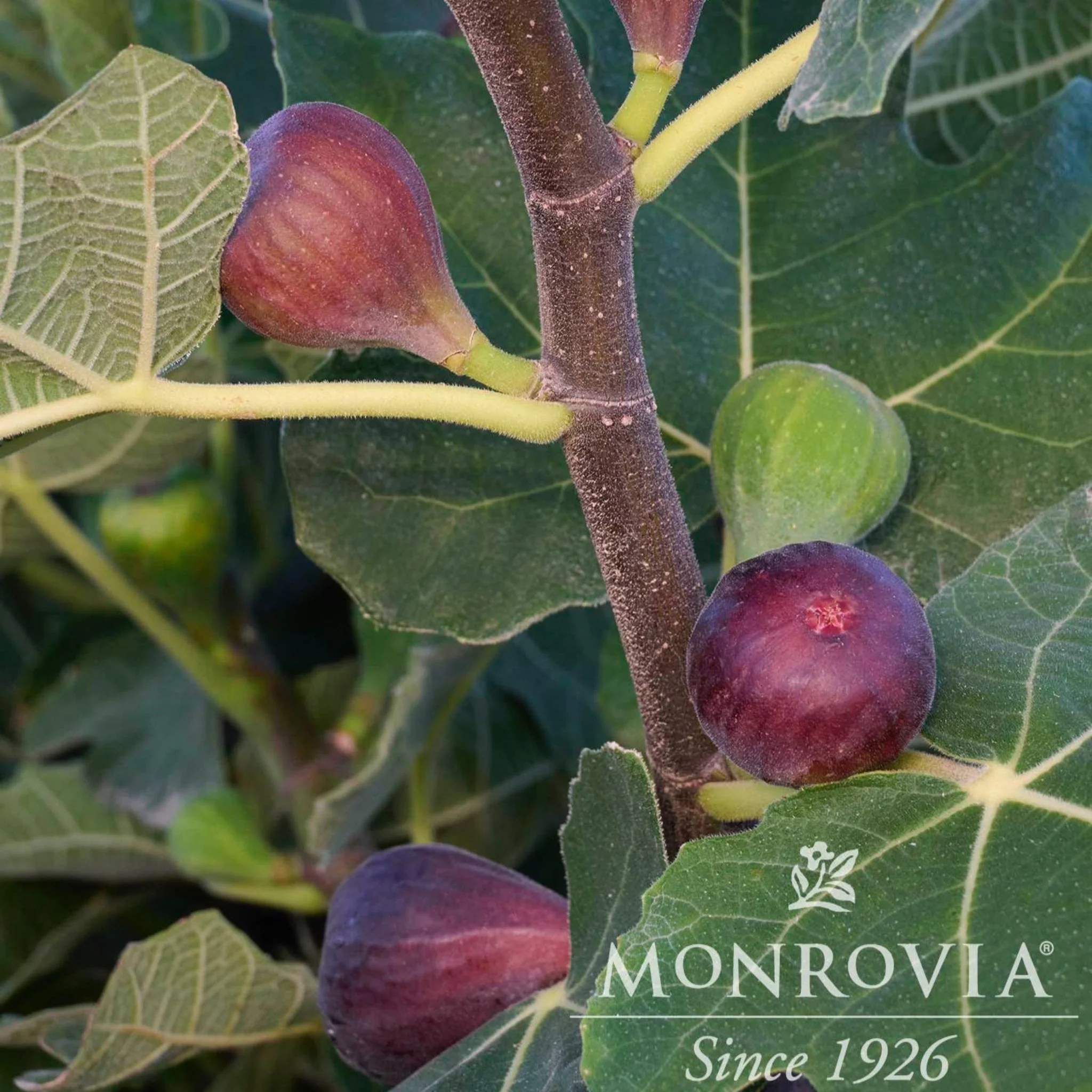
- Sweet, Rich Flavor: Reddish-purple skin with sweet, jammy, amber-pink flesh — classic fig flavor that rivals any warm-climate variety
- Self-Fertile: One tree produces a full harvest — no pollination partner needed
- Two Crops Per Year: Produces a smaller breba crop in early summer on last year’s wood, followed by the main crop in late summer through fall (in climates with sufficient growing season)
- Fast-Growing: Vigorous grower that establishes quickly and begins fruiting within 1–2 years in the right conditions
- Drought-Tolerant: Once established, handles dry conditions well with minimal supplemental watering
- Container-Friendly: Thrives in large pots — move to a frost-free garage or basement for winter dormancy in the coldest zones
Choosing Your Size
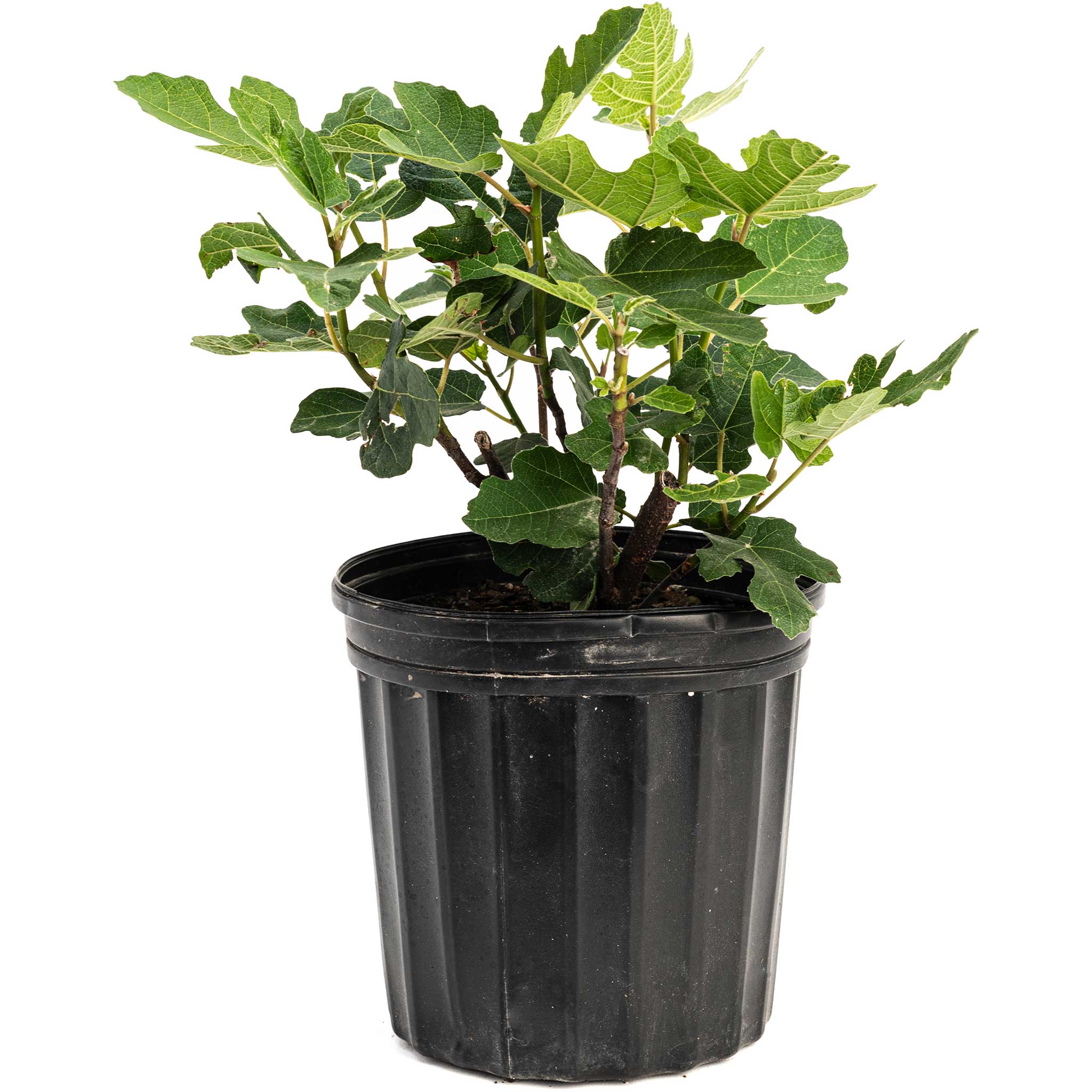
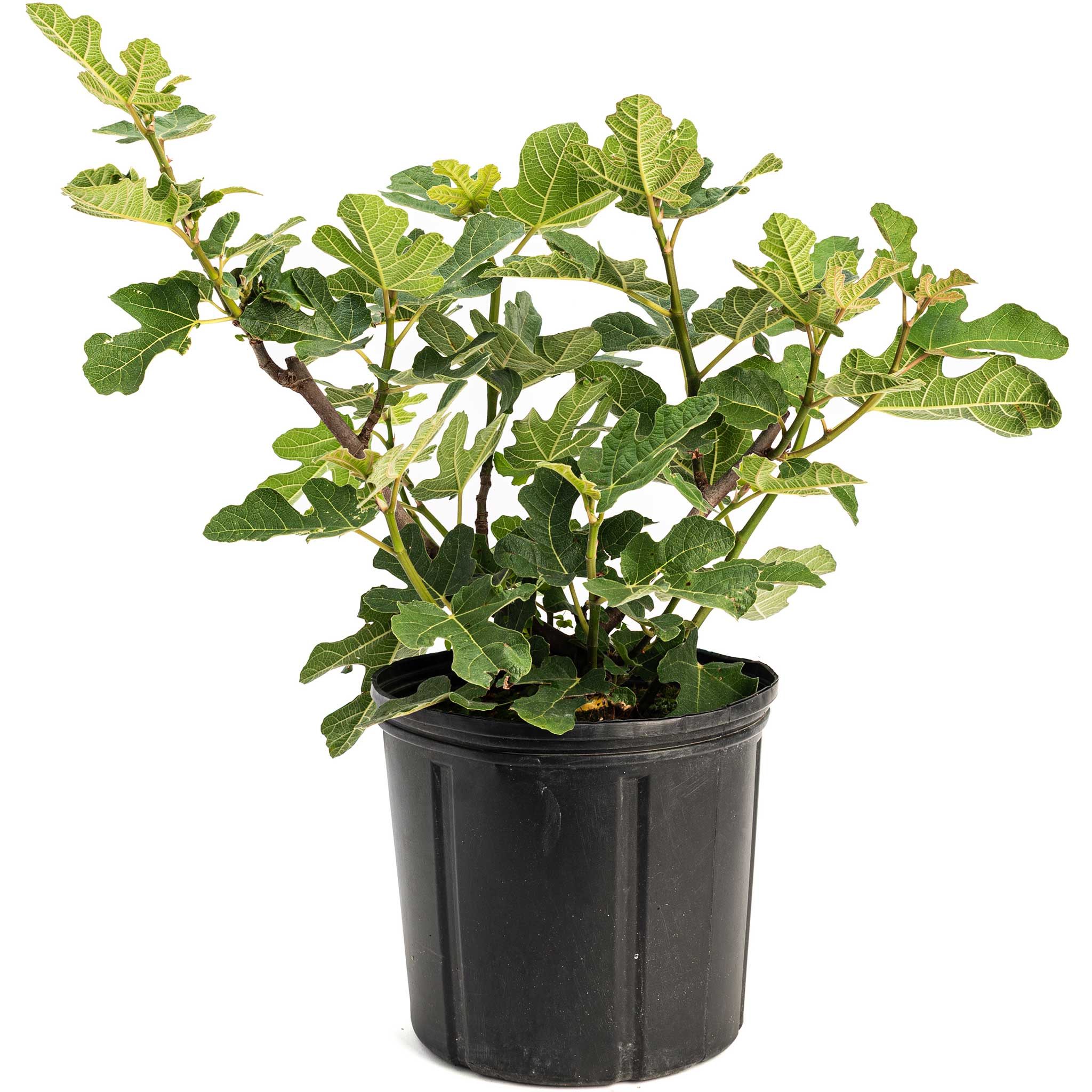
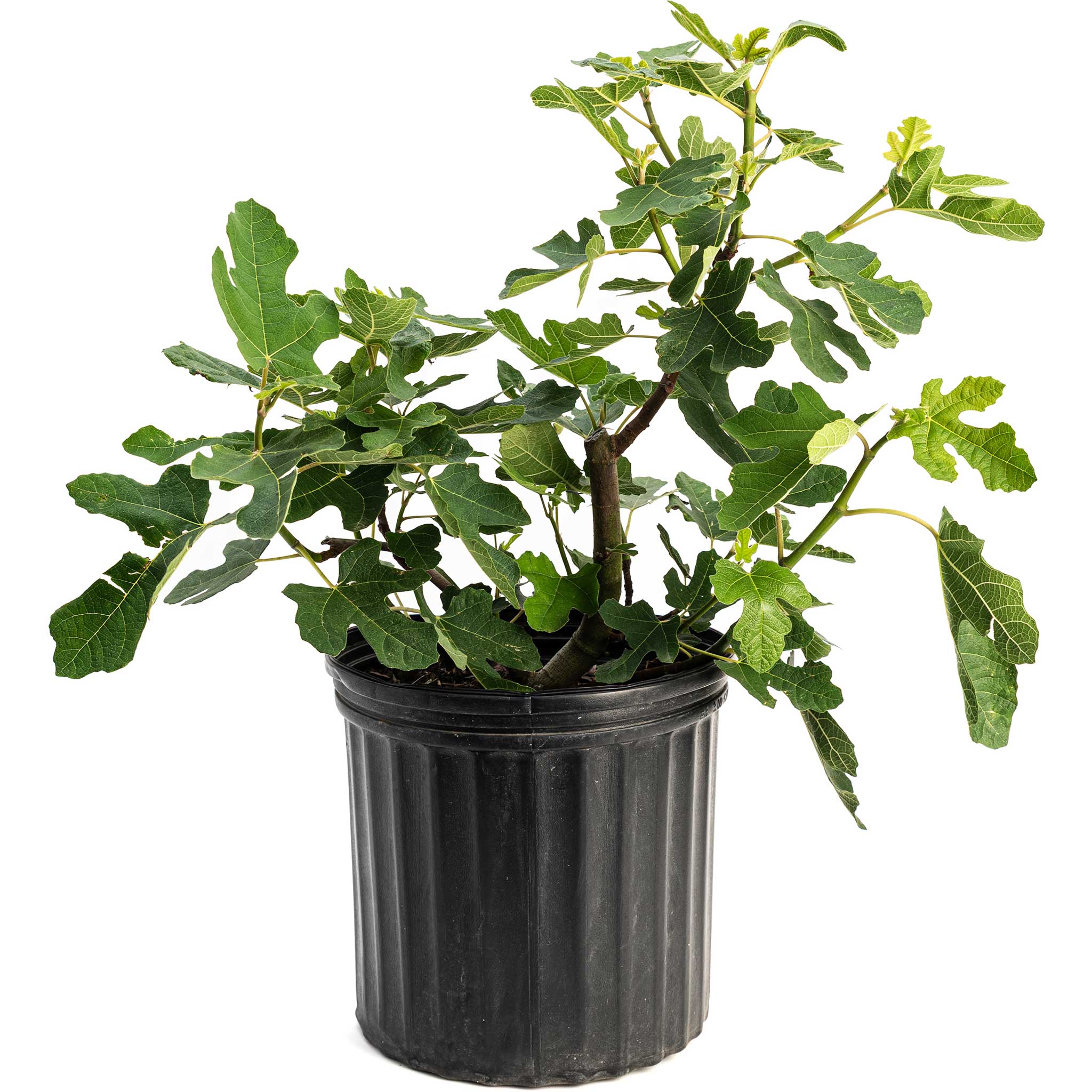
- 1 Gallon: Most affordable entry point — establishes quickly and grows vigorously. Best for patient growers
- 2 Gallon: A step up in establishment — good balance of value and head start
- 3 Gallon: Well-established plant that begins producing sooner. Most popular size for in-ground planting
- 4–5 ft.: Our most established size — makes an immediate landscape impact and fruits the soonest
- 2-Pack: Available at 1, 2, and 3 Gallon sizes — plant two for a denser planting, more fruit, and better resilience if one stem is damaged by cold
Growing Zones & Care Guide
- USDA Hardiness Zones: Zones 5–10. Chicago Hardy is the benchmark cold-hardy fig — it can be grown in the ground in Zone 5 and warmer, and in containers in Zone 4 with winter protection.
- Zone 4 (Container Growing): Grow in a 15–25 gallon container and move to a frost-free garage, basement, or shed for winter dormancy. Figs go fully dormant and require very little light or water during this period.
- Winter Protection in Zone 5–6: In the coldest end of its range, wrapping the trunk and main branches with burlap or frost cloth and mounding mulch around the base significantly improves stem survival and breba crop production the following year.
- Sunlight: Full sun — 6–8 hours of direct sunlight daily for best fruit production, sweetness, and ripening.
- Watering: Water regularly during the growing season and fruit development. Once established, highly drought-tolerant. Overwatering can dilute fruit flavor and promote root rot.
- Soil: Adaptable to a wide range of soils as long as drainage is good. Prefers slightly acidic to neutral pH (6.0–7.0).
- Fertilizing: Light feeding with a balanced fertilizer in early spring. Avoid excess nitrogen, which promotes foliage over fruit.
- Pruning: In Zone 5–6, prune in late spring after new growth confirms which wood survived winter — not in fall or early spring, which can remove viable wood. In warmer zones, prune in late winter to shape and improve airflow.
- Harvest Window: Breba crop: June–July (on wood that survived winter). Main crop: August–October. Figs are ripe when they droop slightly on the stem, feel soft to the touch, and the skin begins to crack near the eye. Do not harvest early — figs do not ripen off the tree.
Prefer a Warm-Climate Fig?
If you’re in Zone 7 or warmer, our Black Mission Fig delivers the richest, most intensely flavored figs available — deep purple-black skin, honey-sweet flesh, and two crops per year in warm climates. A classic for warm-climate growers.
Cold-hardy to −10°F, self-fertile, and sweet as any fig you’ve ever tasted — the Chicago Hardy Fig Tree brings homegrown figs within reach for northern gardeners everywhere.
Original: $49.95
-65%$49.95
$17.48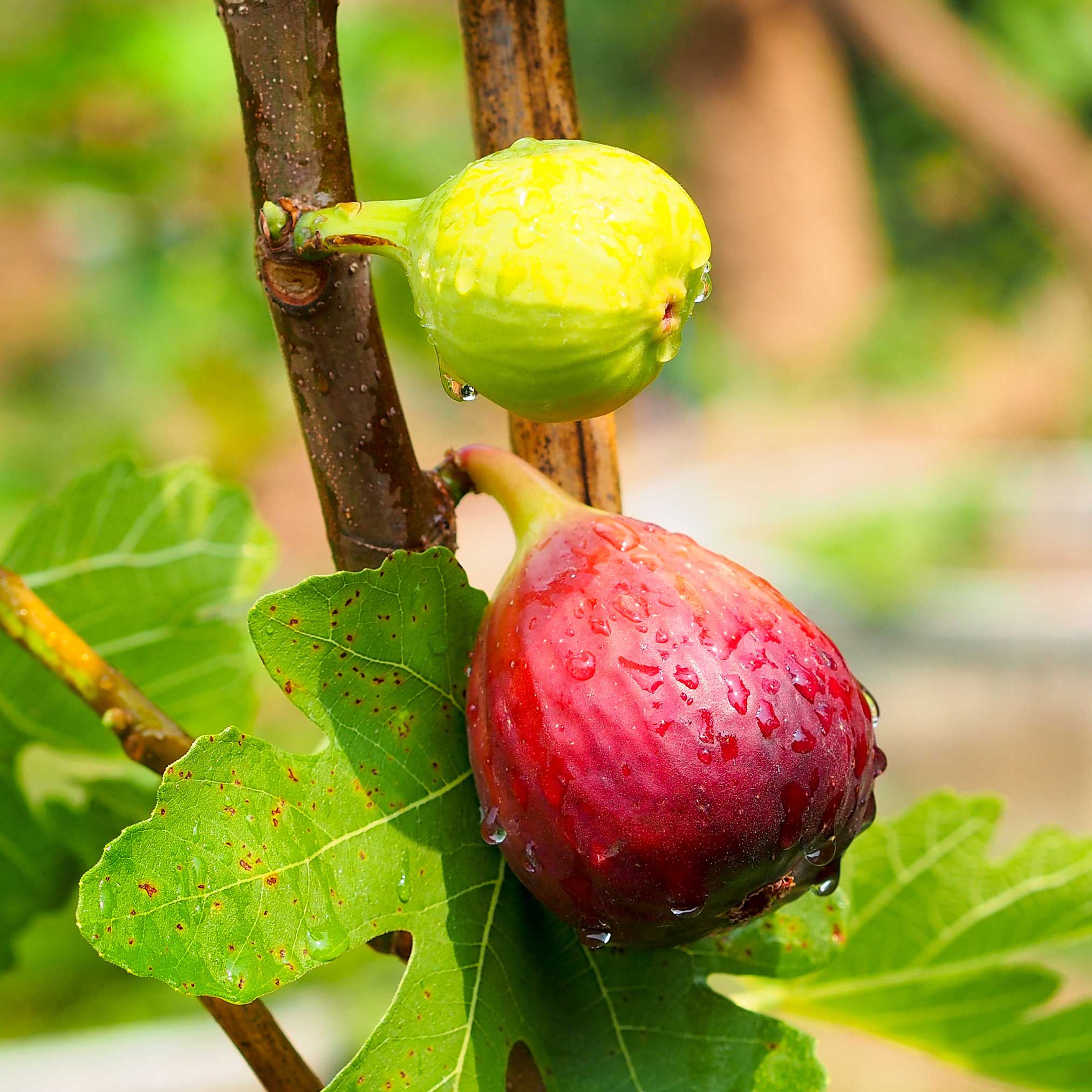
Description
Chicago Hardy Fig Tree – The Most Cold-Hardy Fig You Can Grow
Figs and cold winters don’t usually mix — but the Chicago Hardy Fig Tree changes the rules. Surviving temperatures down to −10°F and reliably resprouting from the roots even after hard freezes, Chicago Hardy is the fig variety that makes homegrown figs possible for northern gardeners who thought they were out of luck.
Developed and proven in the harsh winters of the Chicago area, this variety produces sweet, rich, reddish-purple figs with classic fig flavor — and it does so with minimal care, in a wide range of soils, and across an extraordinary climate range. Available from 1 Gallon starters through established 4–5 ft. trees, with money-saving 2-Packs for maximum production.
Why You’ll Love the Chicago Hardy Fig Tree
- Exceptional Cold Hardiness: Survives temperatures down to −10°F — one of the most cold-tolerant fig varieties in existence
- Regrows from the Roots: Even if stems are killed by a hard freeze, Chicago Hardy reliably regrows vigorously from the root system the following spring — a true survivor
- Sweet, Rich Flavor: Reddish-purple skin with sweet, jammy, amber-pink flesh — classic fig flavor that rivals any warm-climate variety
- Self-Fertile: One tree produces a full harvest — no pollination partner needed
- Two Crops Per Year: Produces a smaller breba crop in early summer on last year’s wood, followed by the main crop in late summer through fall (in climates with sufficient growing season)
- Fast-Growing: Vigorous grower that establishes quickly and begins fruiting within 1–2 years in the right conditions
- Drought-Tolerant: Once established, handles dry conditions well with minimal supplemental watering
- Container-Friendly: Thrives in large pots — move to a frost-free garage or basement for winter dormancy in the coldest zones
Choosing Your Size
- 1 Gallon: Most affordable entry point — establishes quickly and grows vigorously. Best for patient growers
- 2 Gallon: A step up in establishment — good balance of value and head start
- 3 Gallon: Well-established plant that begins producing sooner. Most popular size for in-ground planting
- 4–5 ft.: Our most established size — makes an immediate landscape impact and fruits the soonest
- 2-Pack: Available at 1, 2, and 3 Gallon sizes — plant two for a denser planting, more fruit, and better resilience if one stem is damaged by cold
Growing Zones & Care Guide
- USDA Hardiness Zones: Zones 5–10. Chicago Hardy is the benchmark cold-hardy fig — it can be grown in the ground in Zone 5 and warmer, and in containers in Zone 4 with winter protection.
- Zone 4 (Container Growing): Grow in a 15–25 gallon container and move to a frost-free garage, basement, or shed for winter dormancy. Figs go fully dormant and require very little light or water during this period.
- Winter Protection in Zone 5–6: In the coldest end of its range, wrapping the trunk and main branches with burlap or frost cloth and mounding mulch around the base significantly improves stem survival and breba crop production the following year.
- Sunlight: Full sun — 6–8 hours of direct sunlight daily for best fruit production, sweetness, and ripening.
- Watering: Water regularly during the growing season and fruit development. Once established, highly drought-tolerant. Overwatering can dilute fruit flavor and promote root rot.
- Soil: Adaptable to a wide range of soils as long as drainage is good. Prefers slightly acidic to neutral pH (6.0–7.0).
- Fertilizing: Light feeding with a balanced fertilizer in early spring. Avoid excess nitrogen, which promotes foliage over fruit.
- Pruning: In Zone 5–6, prune in late spring after new growth confirms which wood survived winter — not in fall or early spring, which can remove viable wood. In warmer zones, prune in late winter to shape and improve airflow.
- Harvest Window: Breba crop: June–July (on wood that survived winter). Main crop: August–October. Figs are ripe when they droop slightly on the stem, feel soft to the touch, and the skin begins to crack near the eye. Do not harvest early — figs do not ripen off the tree.
Prefer a Warm-Climate Fig?
If you’re in Zone 7 or warmer, our Black Mission Fig delivers the richest, most intensely flavored figs available — deep purple-black skin, honey-sweet flesh, and two crops per year in warm climates. A classic for warm-climate growers.
Cold-hardy to −10°F, self-fertile, and sweet as any fig you’ve ever tasted — the Chicago Hardy Fig Tree brings homegrown figs within reach for northern gardeners everywhere.