Cold Hardy Red Pomegranate Tree – Fruiting Shrub for Zones 6–11
Cold Hardy Red Pomegranate – Stunning Blooms, Antioxidant-Rich Fruit, Built for Tough Climates
The Cold Hardy Red Pomegranate is one of the most rewarding edible plants you can grow — and one of the most underrated. While most pomegranates are limited to the warmest climates, this variety pushes the boundaries, thriving in zones as cool as zone 6 and delivering a spectacular show from spring through fall: blazing orange-red flowers in summer, followed by large, ruby-red fruit packed with jewel-like arils and rich, sweet-tart juice. All with minimal care.
Why the Cold Hardy Red Pomegranate Stands Apart
- Cold-hardy beyond expectations – Tolerates temperatures down to 10–15°F when established — far hardier than standard pomegranate varieties, opening up growing regions across zones 6–11.
- Self-fertile – Produces fruit without a second plant. One tree is all you need for a full harvest, though a second plant increases yield.
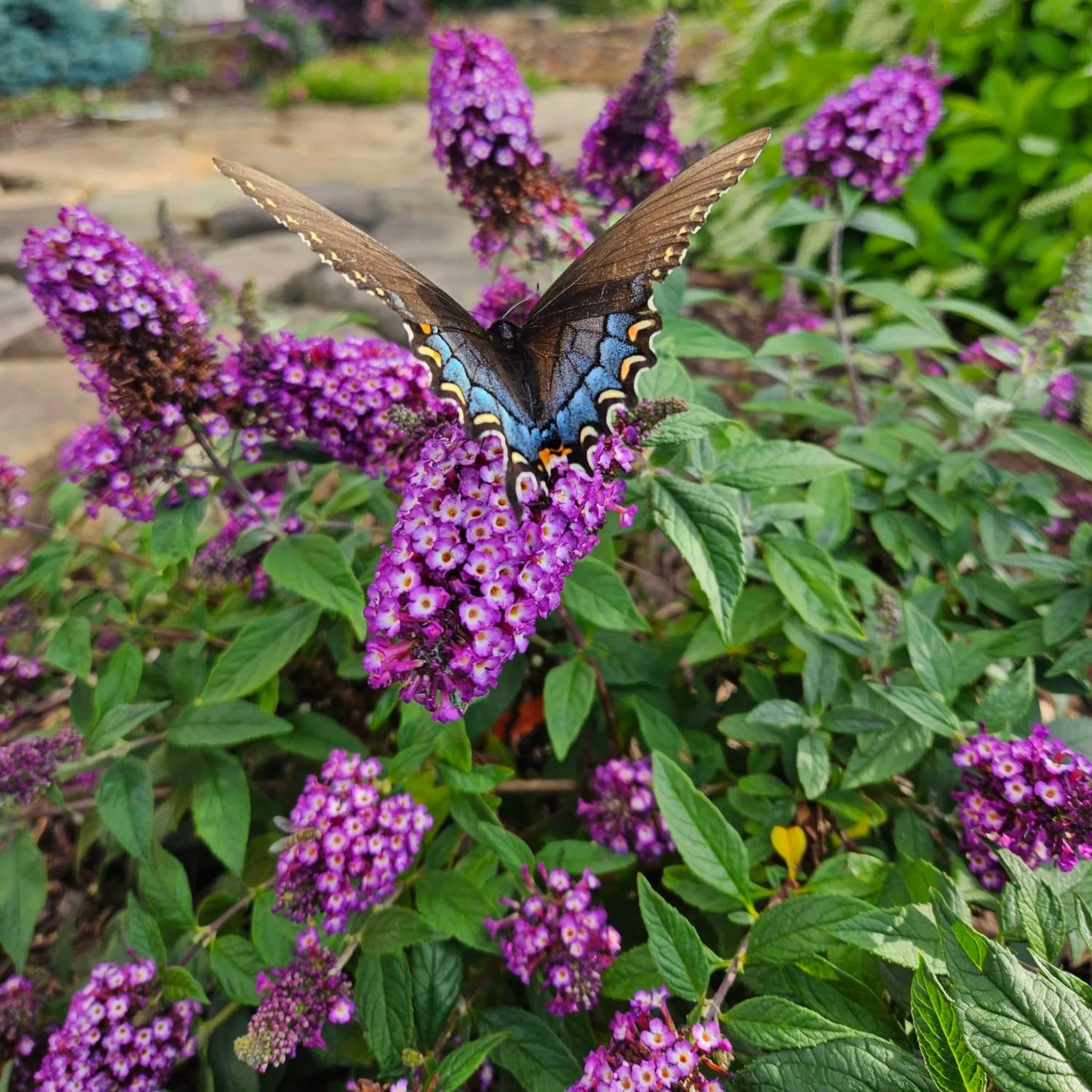
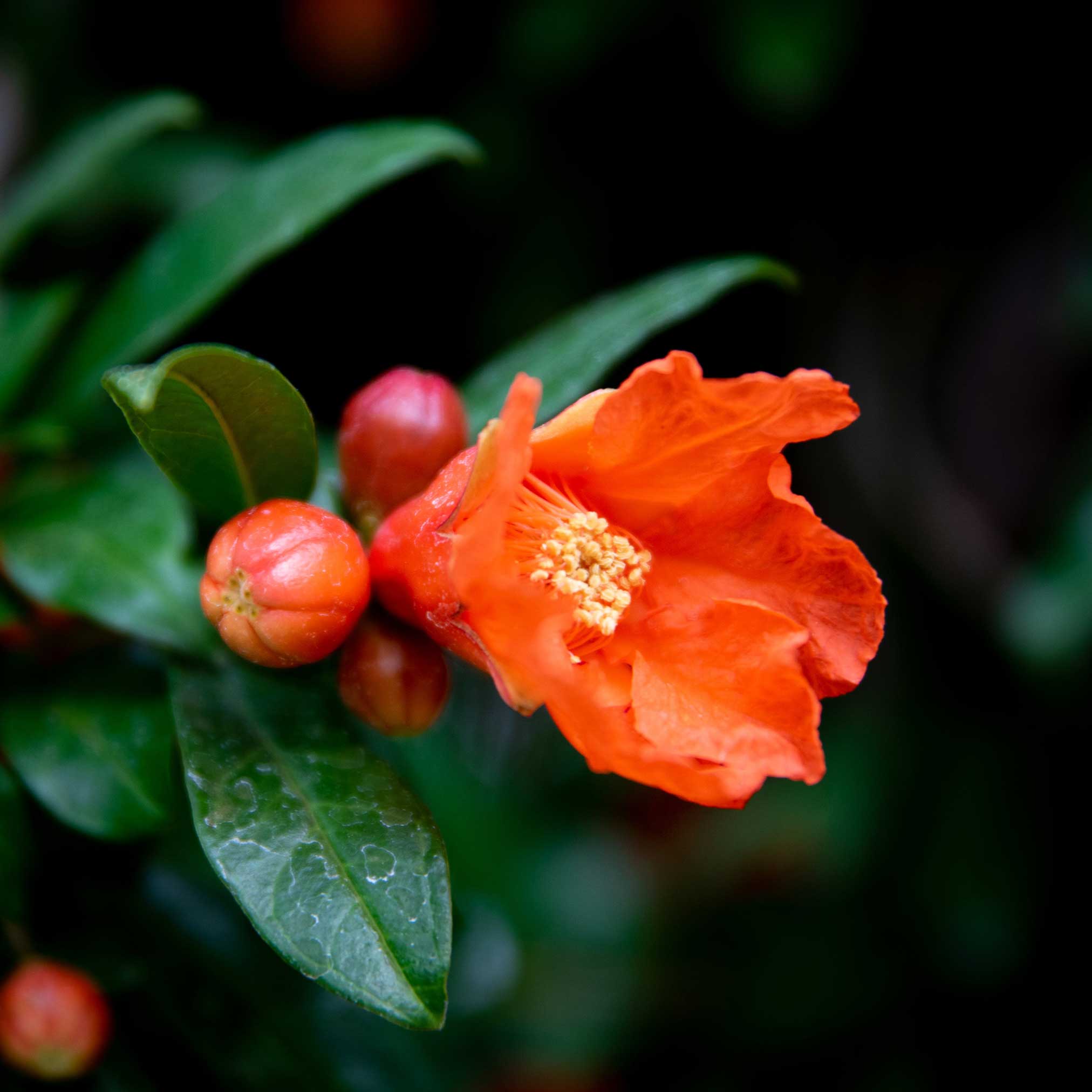
- Spectacular summer blooms – Vivid orange-red, crinkled flowers appear from late spring through summer, attracting hummingbirds, bees, and butterflies.
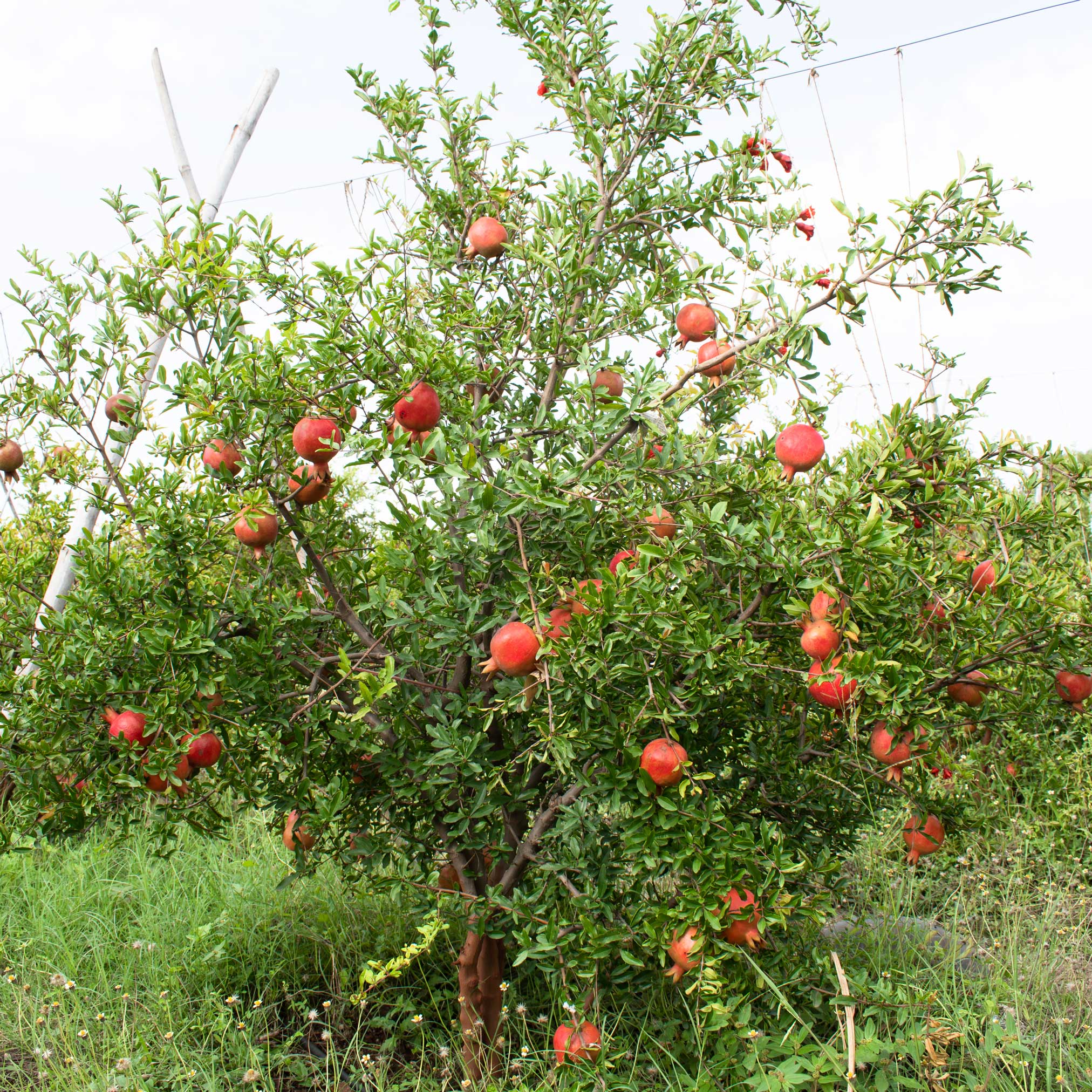
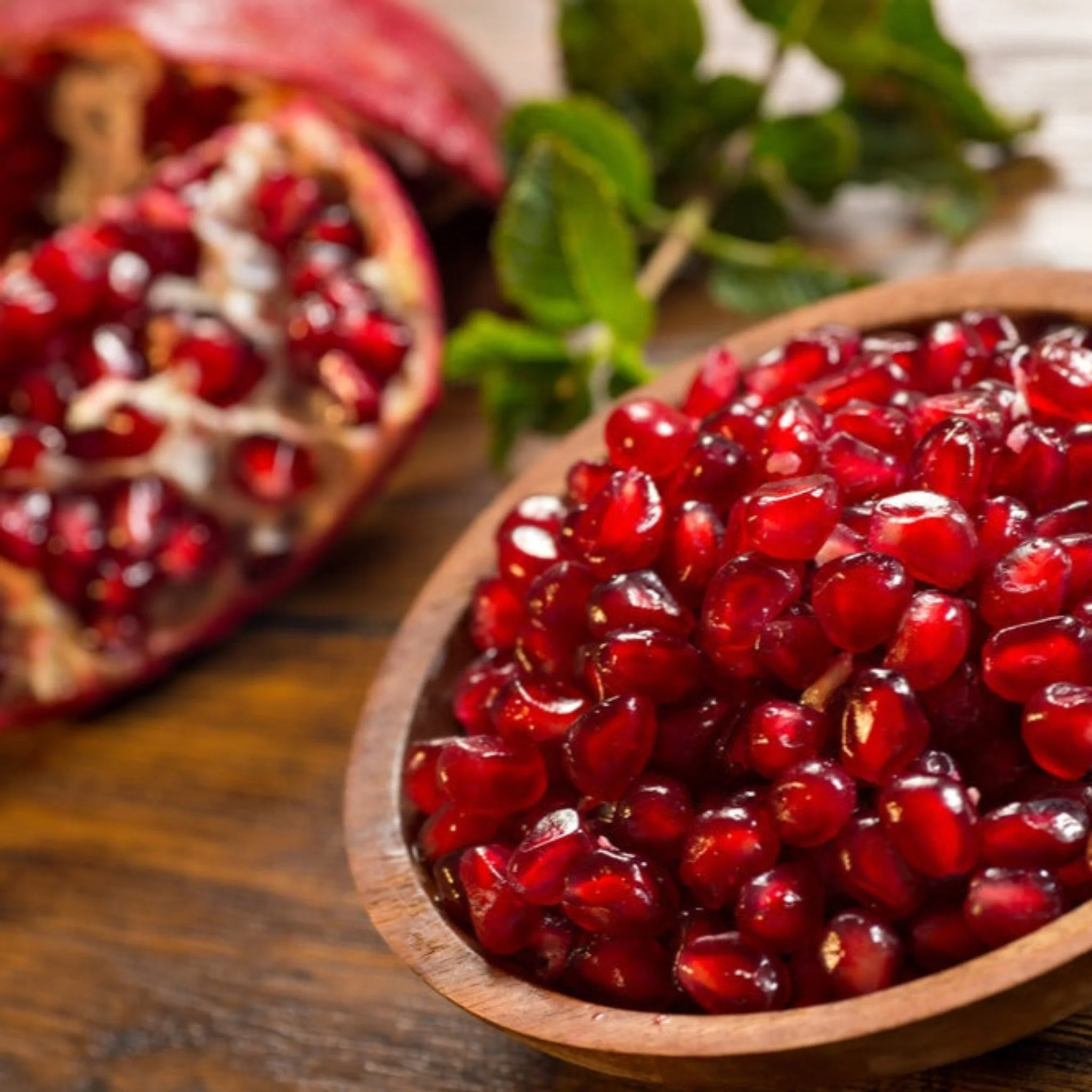
- Antioxidant-rich fruit – Ruby-red arils bursting with juice, high in antioxidants, vitamin C, and potassium. Fresh eating, juicing, cocktails, and culinary use.
- Drought-tolerant once established – Thrives in heat and dry conditions; one of the most water-efficient fruiting plants available.
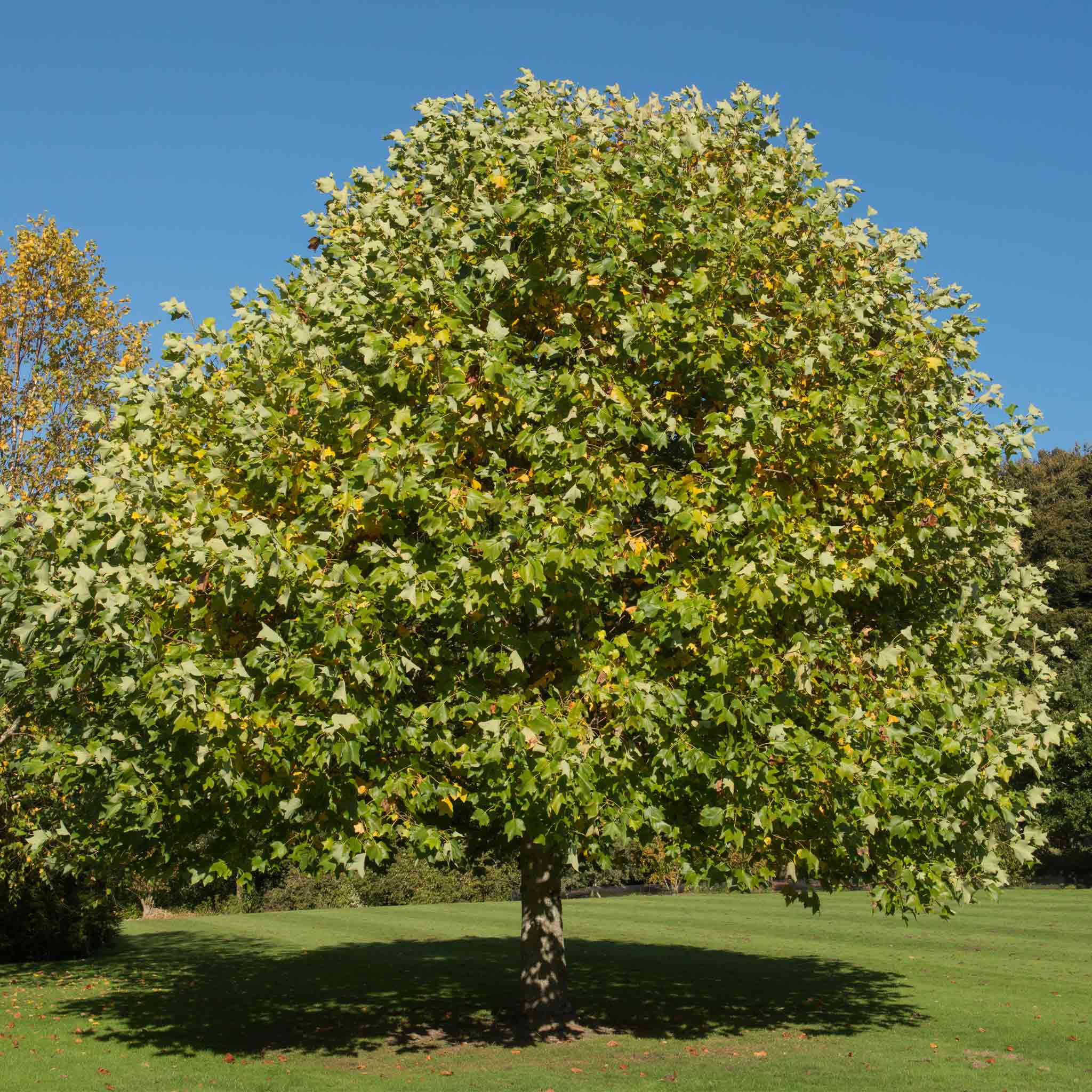
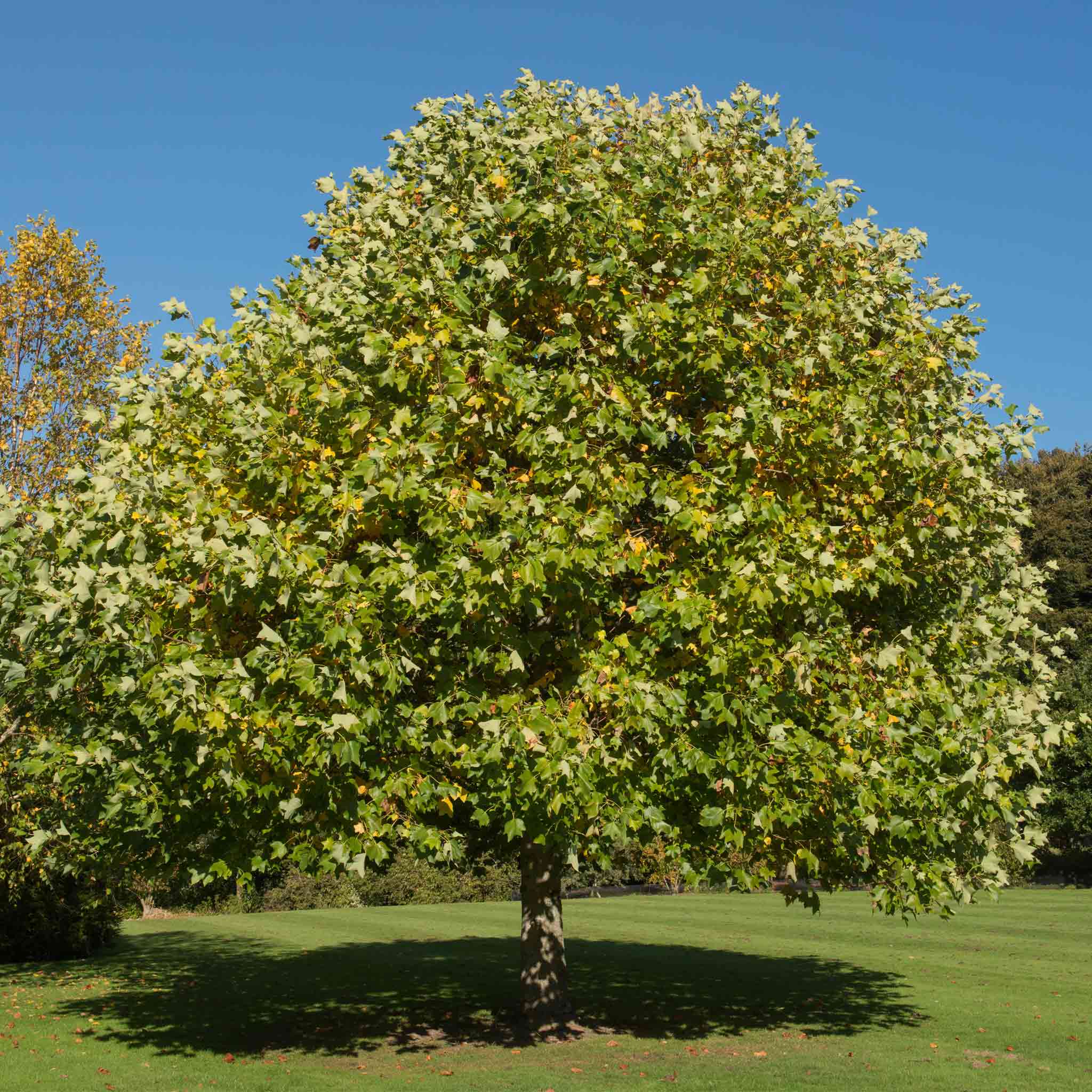
- Versatile form – Grows naturally as a multi-stemmed shrub or can be trained into a single-trunk tree form. Works in-ground or in large containers.
- Long-lived – Pomegranates are among the longest-lived fruiting plants, producing for decades with minimal intervention.
Ideal Uses
- Edible landscape specimen or border anchor
- Espalier against a south-facing wall in cooler zones
- Container growing on patios and decks (bring indoors in zone 6 winters)
- Pollinator and wildlife garden planting
- Ornamental fruiting hedge or screen
Picture late summer in your garden — the pomegranate ablaze with orange-red blooms, hummingbirds darting between flowers, and the first blush of ruby-red fruit beginning to swell on the branches. By October, you’re cracking open your own homegrown pomegranates. That’s the Cold Hardy Red Pomegranate experience.
Growing Guide
- Zones: USDA 6–11 (with protection in zone 6; thrives in zones 7–11)
- Light: Full sun — 6+ hours daily essential for flowering and fruiting
- Water: Regular watering during establishment; drought-tolerant once established. Consistent moisture during fruit development improves yield.
- Soil: Adaptable — tolerates clay, loam, sandy, and slightly alkaline soils; excellent drainage preferred
- Mature size: 6–12 ft. tall and wide as a shrub; can be maintained smaller with pruning
- Harvest: September–November depending on zone; fruit is ready when it makes a metallic sound when tapped
- Container tip: Use a 15–25 gallon pot; bring indoors to a cool, bright location (40–50°F) in zone 6 winters
Available Options
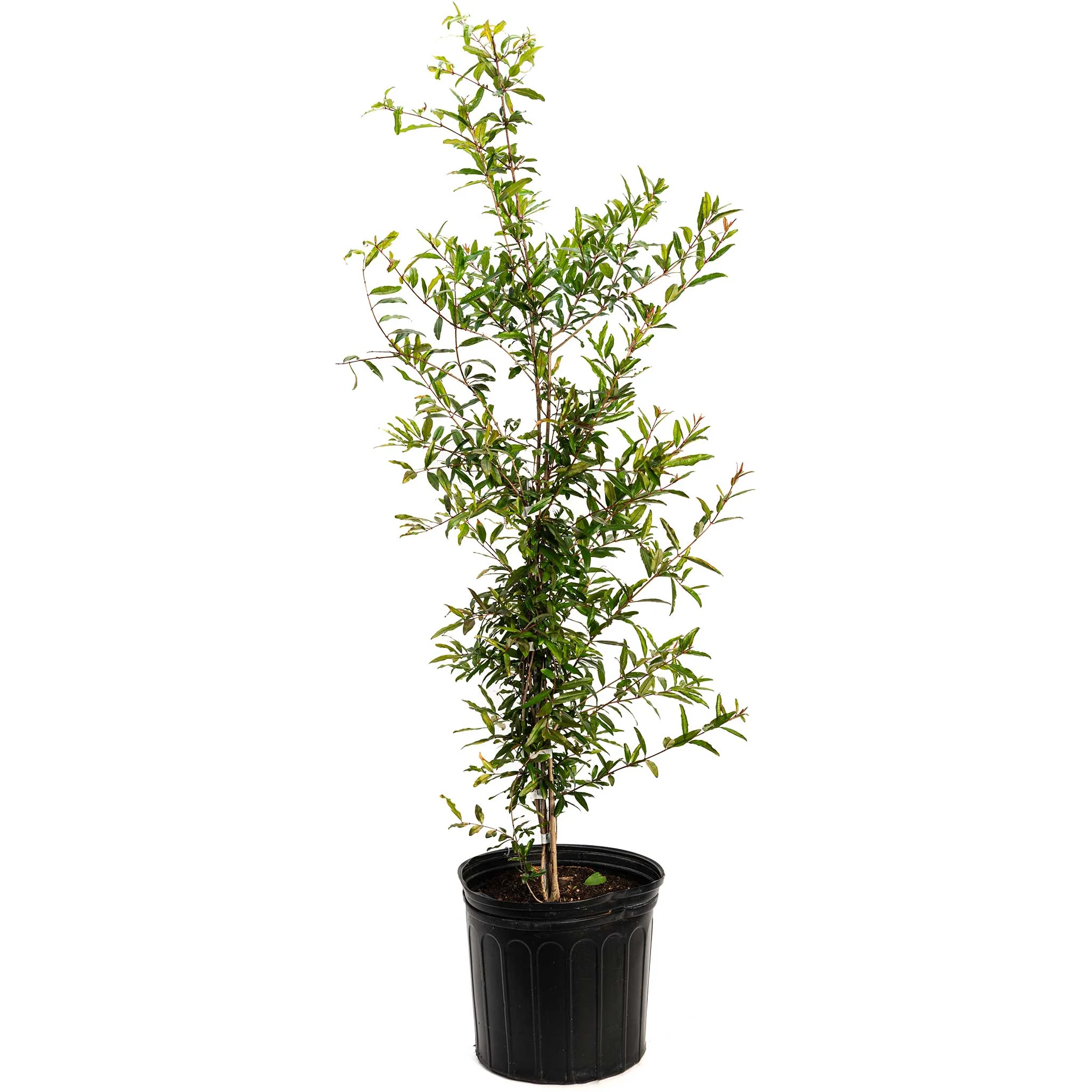
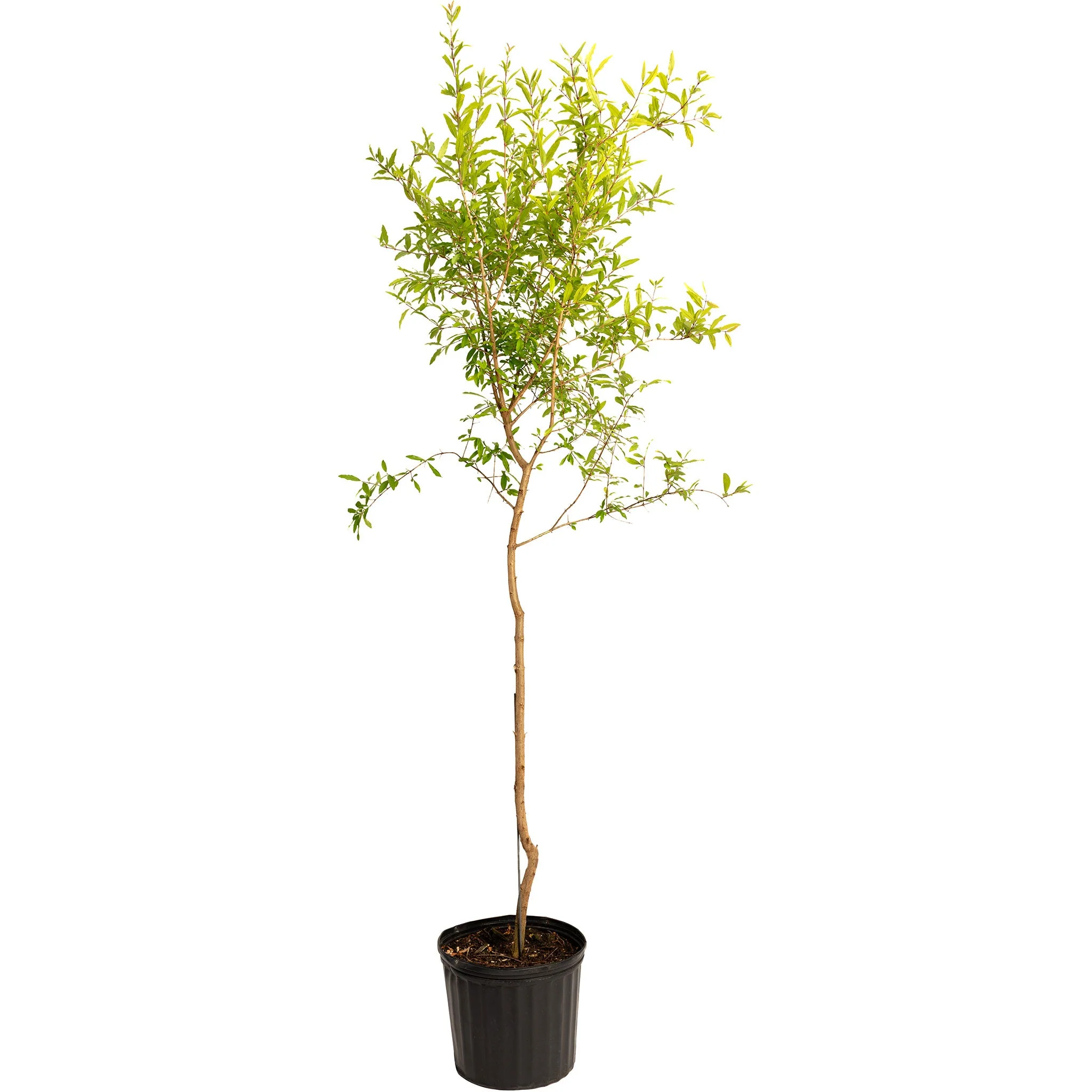
Choose from 1 Gallon, 1–2 ft., 3 Gallon, 3–4 ft., 4–5 ft., or 6–7 ft. sizes — available as a Single or a money-saving 2-Pack for a fuller planting or to maximize pollination and yield.
Exploring Pomegranate Varieties?
Compare with the Texas Pink Pomegranate Tree — a softer-seeded variety with a sweeter, milder flavor profile and exceptional heat tolerance, ideal for gardeners in the Deep South and Southwest.
Original: $49.95
-65%$49.95
$17.48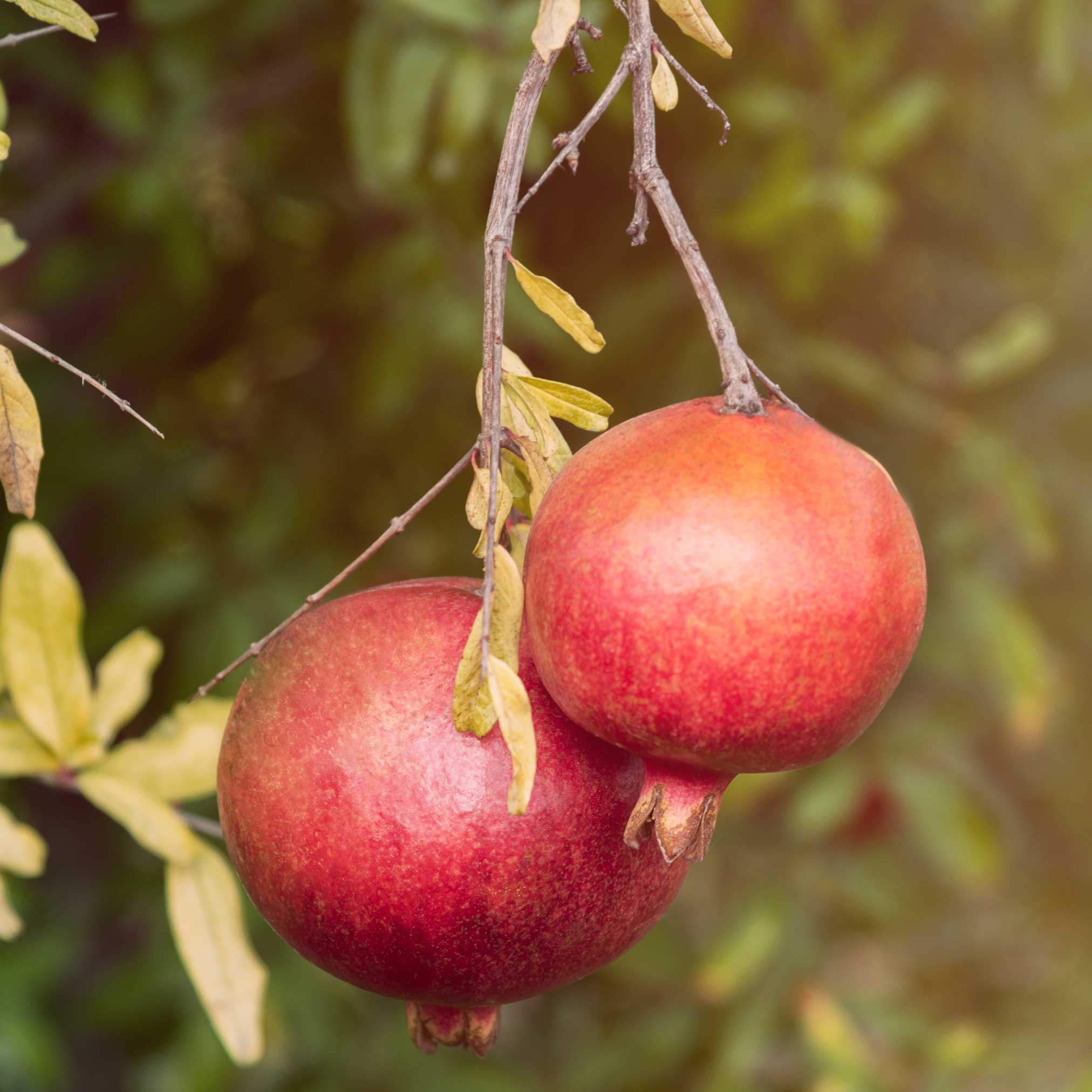
Description
Cold Hardy Red Pomegranate – Stunning Blooms, Antioxidant-Rich Fruit, Built for Tough Climates
The Cold Hardy Red Pomegranate is one of the most rewarding edible plants you can grow — and one of the most underrated. While most pomegranates are limited to the warmest climates, this variety pushes the boundaries, thriving in zones as cool as zone 6 and delivering a spectacular show from spring through fall: blazing orange-red flowers in summer, followed by large, ruby-red fruit packed with jewel-like arils and rich, sweet-tart juice. All with minimal care.
Why the Cold Hardy Red Pomegranate Stands Apart
- Cold-hardy beyond expectations – Tolerates temperatures down to 10–15°F when established — far hardier than standard pomegranate varieties, opening up growing regions across zones 6–11.
- Self-fertile – Produces fruit without a second plant. One tree is all you need for a full harvest, though a second plant increases yield.
- Spectacular summer blooms – Vivid orange-red, crinkled flowers appear from late spring through summer, attracting hummingbirds, bees, and butterflies.
- Antioxidant-rich fruit – Ruby-red arils bursting with juice, high in antioxidants, vitamin C, and potassium. Fresh eating, juicing, cocktails, and culinary use.
- Drought-tolerant once established – Thrives in heat and dry conditions; one of the most water-efficient fruiting plants available.
- Versatile form – Grows naturally as a multi-stemmed shrub or can be trained into a single-trunk tree form. Works in-ground or in large containers.
- Long-lived – Pomegranates are among the longest-lived fruiting plants, producing for decades with minimal intervention.
Ideal Uses
- Edible landscape specimen or border anchor
- Espalier against a south-facing wall in cooler zones
- Container growing on patios and decks (bring indoors in zone 6 winters)
- Pollinator and wildlife garden planting
- Ornamental fruiting hedge or screen
Picture late summer in your garden — the pomegranate ablaze with orange-red blooms, hummingbirds darting between flowers, and the first blush of ruby-red fruit beginning to swell on the branches. By October, you’re cracking open your own homegrown pomegranates. That’s the Cold Hardy Red Pomegranate experience.
Growing Guide
- Zones: USDA 6–11 (with protection in zone 6; thrives in zones 7–11)
- Light: Full sun — 6+ hours daily essential for flowering and fruiting
- Water: Regular watering during establishment; drought-tolerant once established. Consistent moisture during fruit development improves yield.
- Soil: Adaptable — tolerates clay, loam, sandy, and slightly alkaline soils; excellent drainage preferred
- Mature size: 6–12 ft. tall and wide as a shrub; can be maintained smaller with pruning
- Harvest: September–November depending on zone; fruit is ready when it makes a metallic sound when tapped
- Container tip: Use a 15–25 gallon pot; bring indoors to a cool, bright location (40–50°F) in zone 6 winters
Available Options
Choose from 1 Gallon, 1–2 ft., 3 Gallon, 3–4 ft., 4–5 ft., or 6–7 ft. sizes — available as a Single or a money-saving 2-Pack for a fuller planting or to maximize pollination and yield.
Exploring Pomegranate Varieties?
Compare with the Texas Pink Pomegranate Tree — a softer-seeded variety with a sweeter, milder flavor profile and exceptional heat tolerance, ideal for gardeners in the Deep South and Southwest.