Dream Weaver Camellia – Fall & Winter Blooming
Dream Weaver Camellia – Breathtaking Two-Tone Blooms When Your Garden Needs Color Most
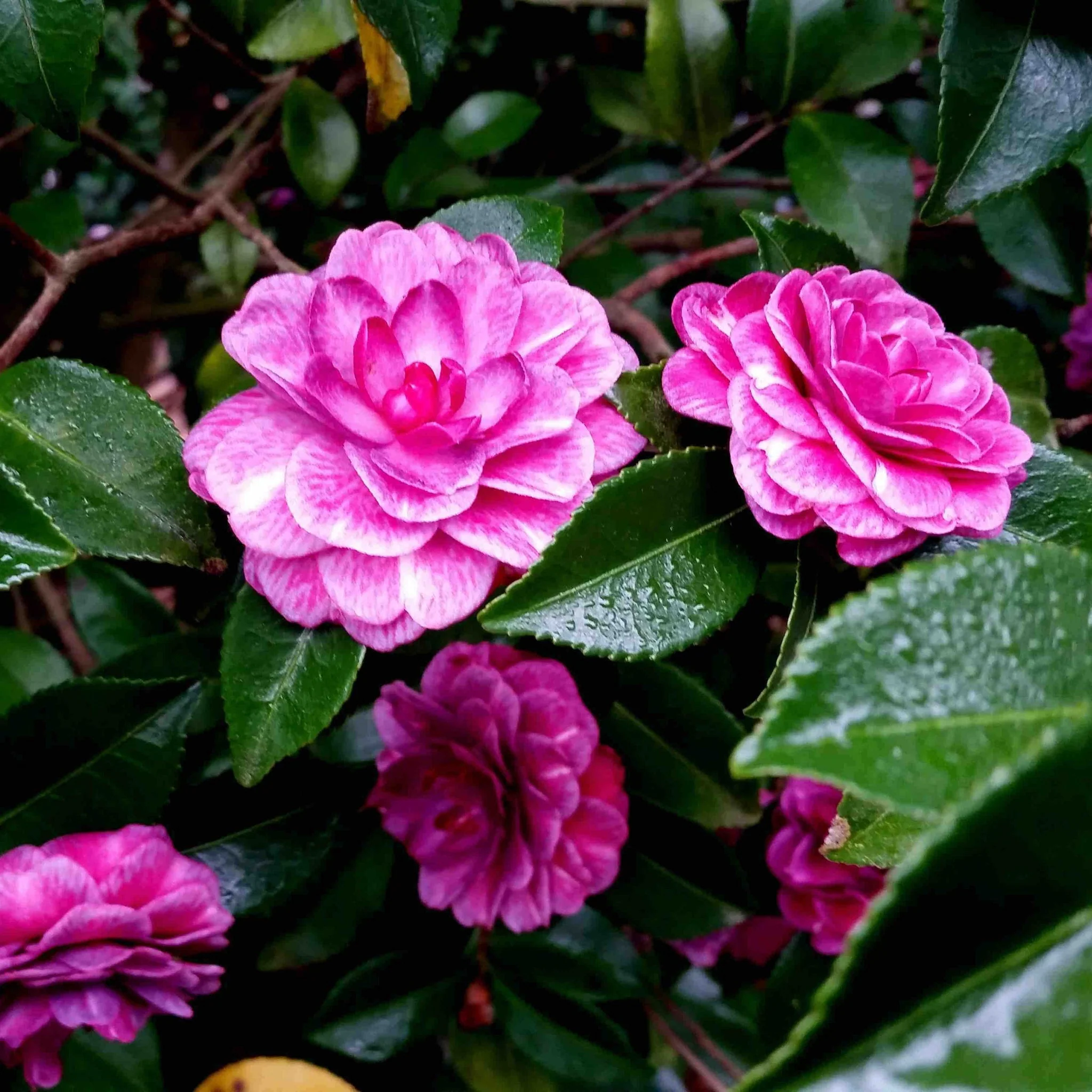
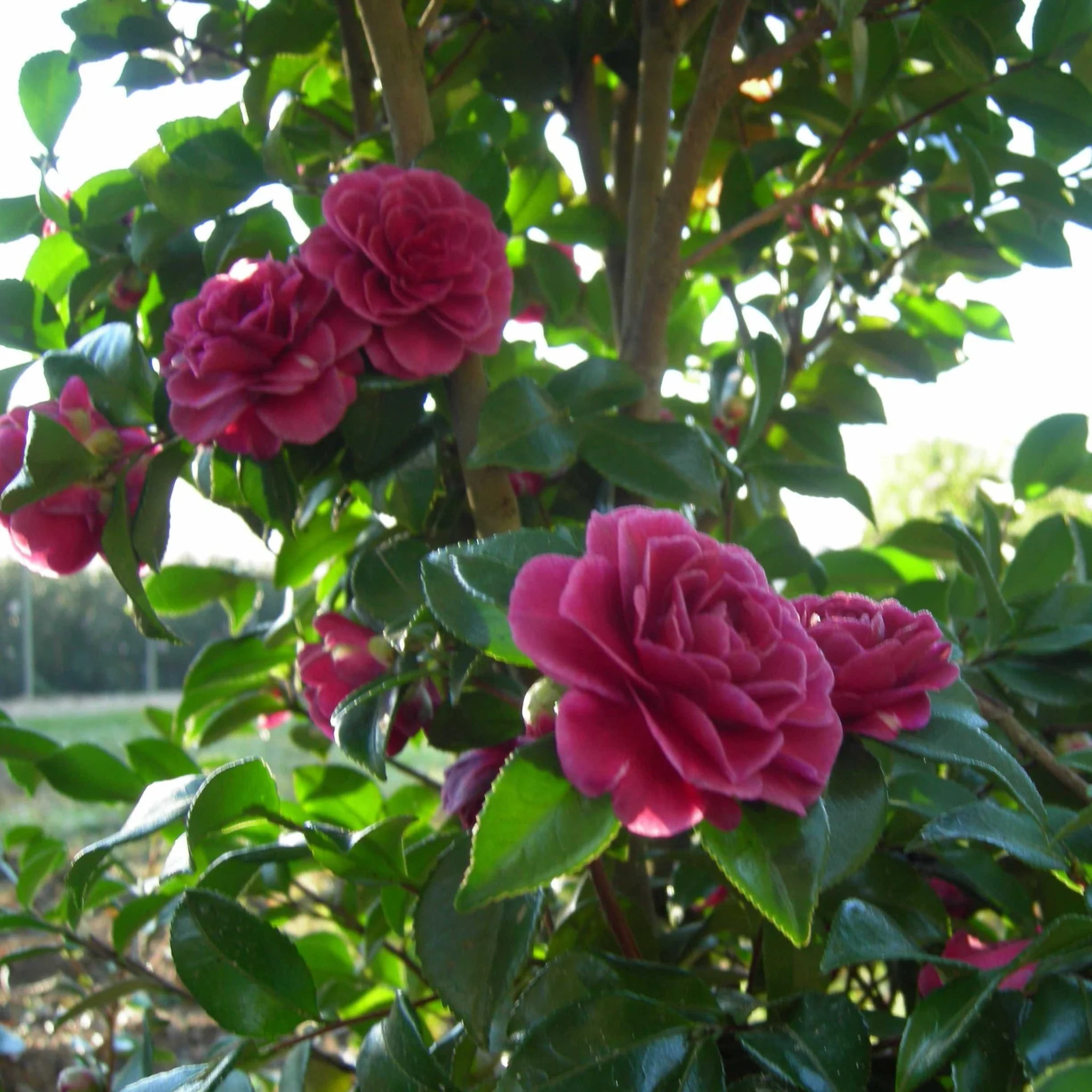
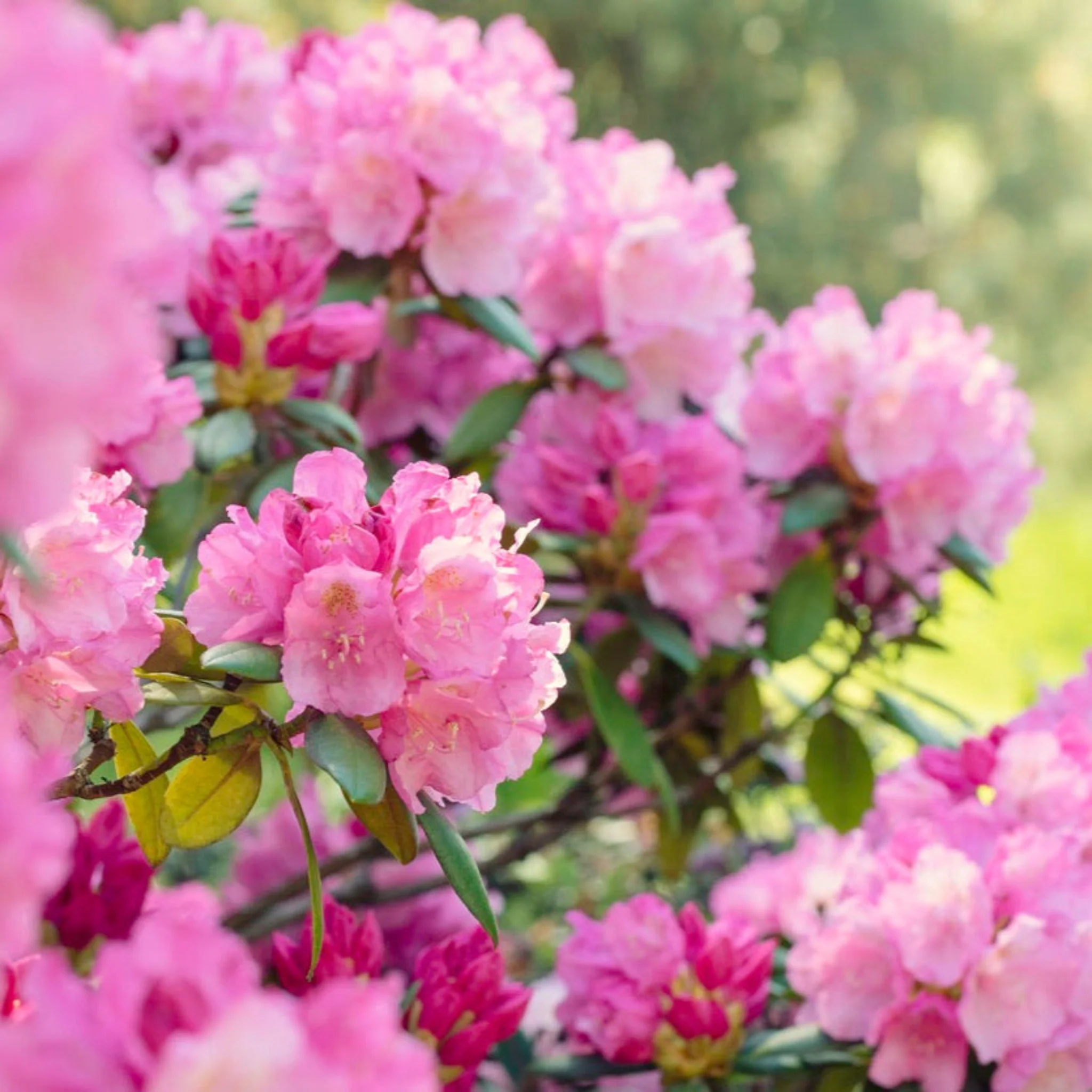
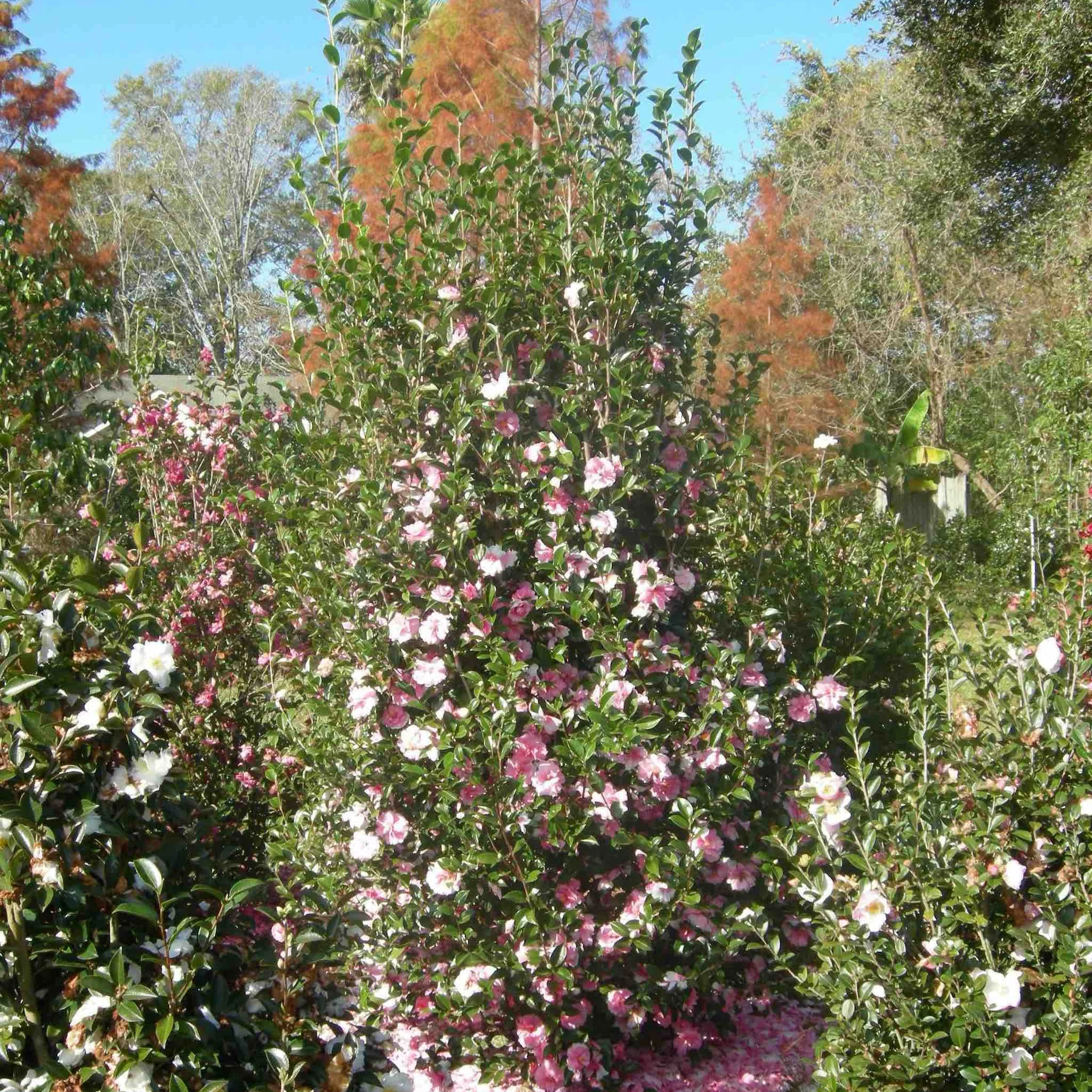
Most flowering shrubs are done by summer. The Dream Weaver Camellia is just getting started. Blooming from fall through winter — when the rest of the garden has gone quiet — it delivers an extraordinary display of large, double flowers with a painterly two-tone pattern: deep pink to lavender-purple at the center, framed by pristine white outer petals. It’s a combination so striking it stops people mid-stride. And because it’s evergreen, it earns its place in the landscape every single month of the year.
Why Dream Weaver Stands Apart
- Rare fall-to-winter bloom season – Flowers October through February depending on zone — filling the color gap when virtually no other flowering shrubs are performing.
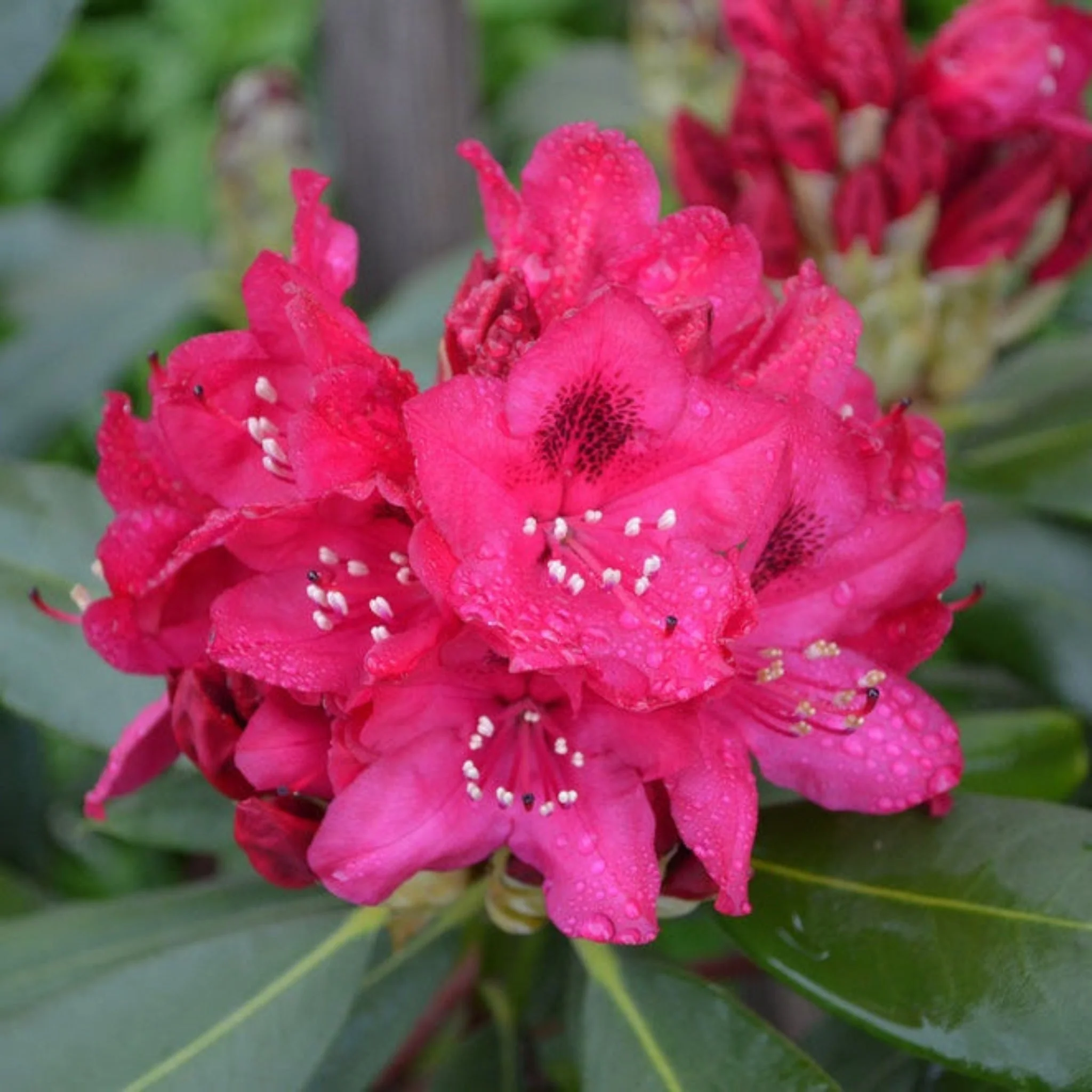
- Extraordinary two-tone flowers – Large, fully double blooms with deep pink-lavender centers and bright white outer petals — a painterly, almost artistic color combination unique among camellias.
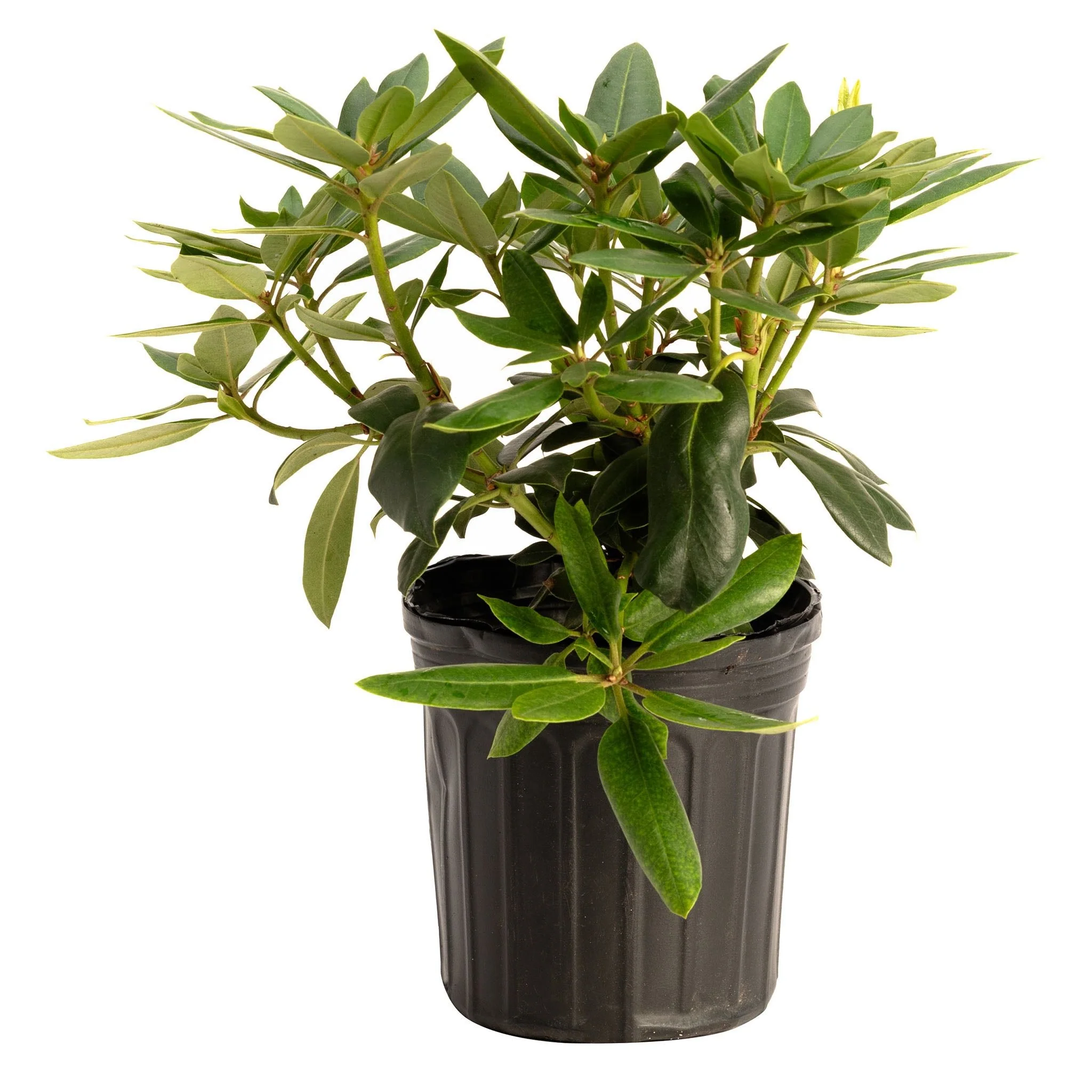
- Evergreen year-round – Glossy, deep-green foliage provides structure, privacy, and lush texture in the landscape even when not in bloom.
- Shade-tolerant – Thrives in partial shade, making it ideal for north-facing beds, woodland gardens, and spots under tree canopies where few flowering shrubs succeed.
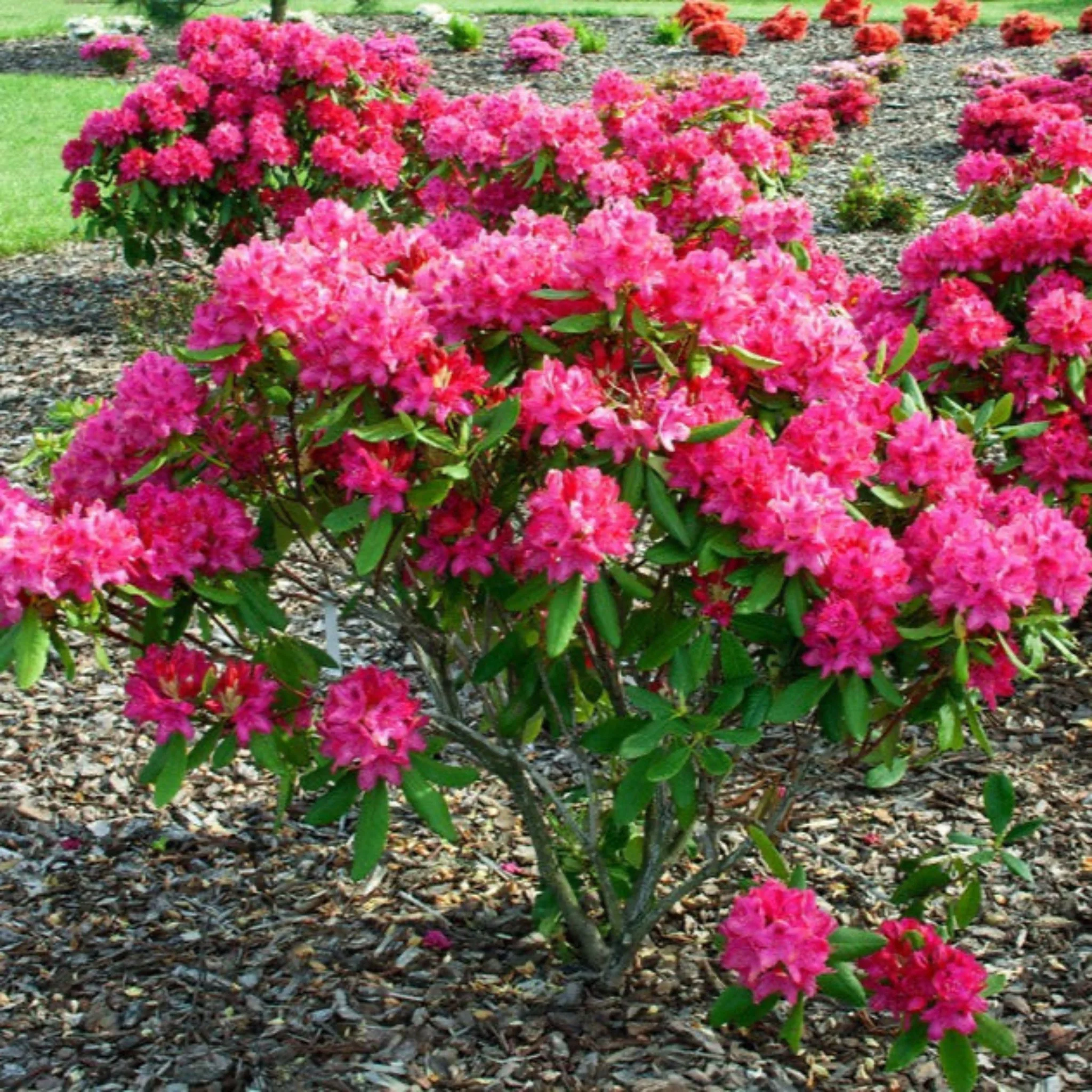
- Versatile form – Works as a specimen shrub, informal hedge, foundation planting, or container plant for patios and covered porches.
- Long-lived – Camellias are among the most enduring garden shrubs, often thriving for decades with minimal care.
Ideal Uses
- Specimen focal point in shade or partial shade gardens
- Foundation planting along north- or east-facing walls
- Informal flowering hedge or privacy screen
- Woodland garden or shaded border anchor
- Container planting for covered patios and porches
- Cut flower garden — blooms make stunning, long-lasting arrangements
Picture a gray November afternoon — your garden stripped of summer color — and then the Dream Weaver Camellia, covered in those extraordinary pink-and-white blooms, glowing against the dark evergreen foliage. It’s the plant that makes winter gardeners smile. That’s the Dream Weaver experience.
Growing Guide
- Zones: USDA 7–10
- Light: Partial shade to filtered sun; avoid harsh afternoon sun which can scorch foliage and bleach blooms
- Water: Keep soil consistently moist, especially during establishment and bloom season. Do not allow to dry out completely.
- Soil: Acidic, humus-rich, well-draining soil (pH 5.5–6.5). Amend with peat moss or pine bark at planting.
- Mulch: Apply 2–3 inches of pine bark or pine straw mulch to retain moisture, regulate soil temperature, and maintain acidity.
- Fertilizer: Feed with an acid-forming camellia/azalea fertilizer in spring after blooming ends. Do not fertilize in fall or winter.
- Pruning: Prune lightly immediately after blooming ends in late winter/early spring. Avoid pruning in fall, which removes developing flower buds.
- Mature size: 6–10 ft. tall, 4–6 ft. wide (slow-growing; easily maintained smaller)
Want Year-Round Flowering Shrubs?
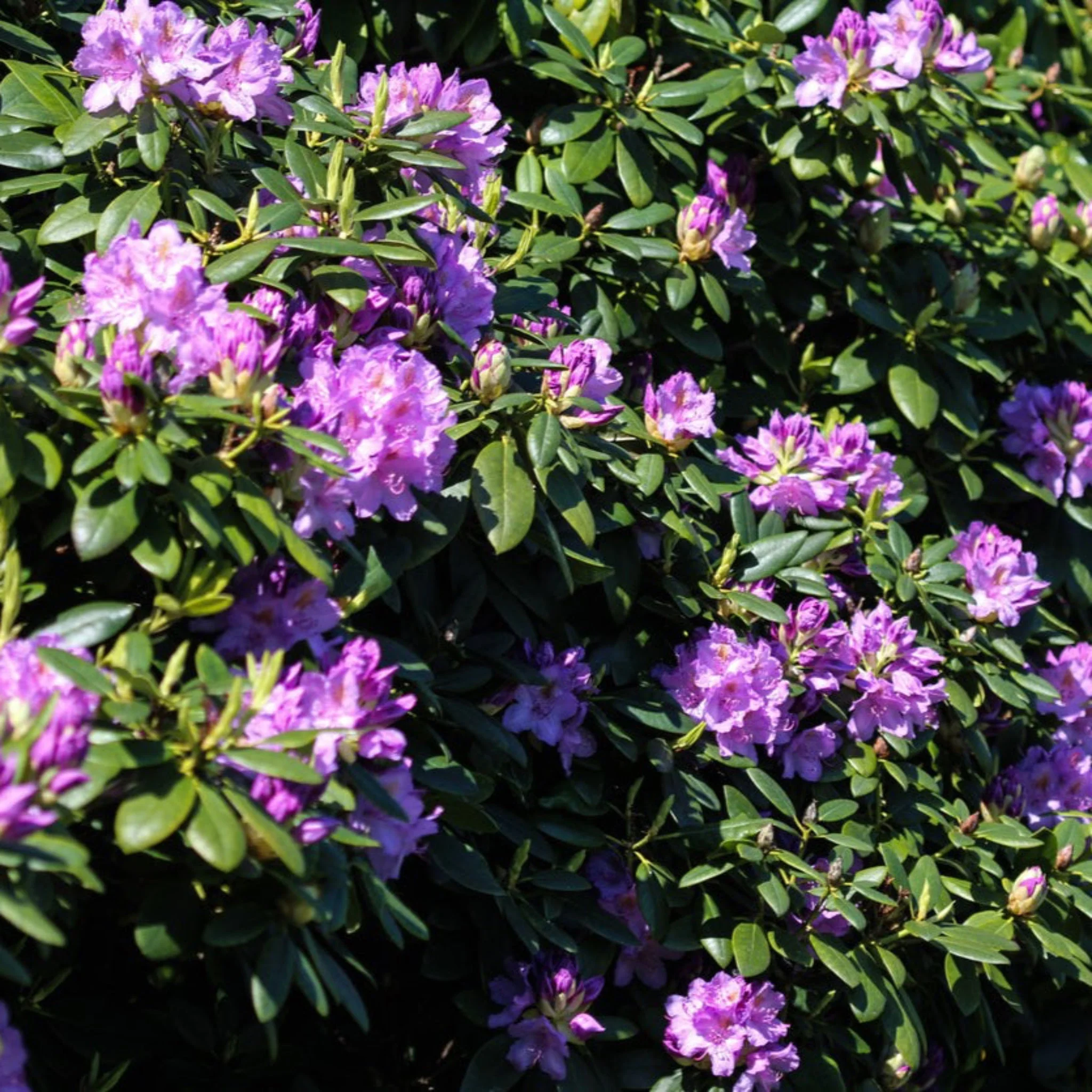
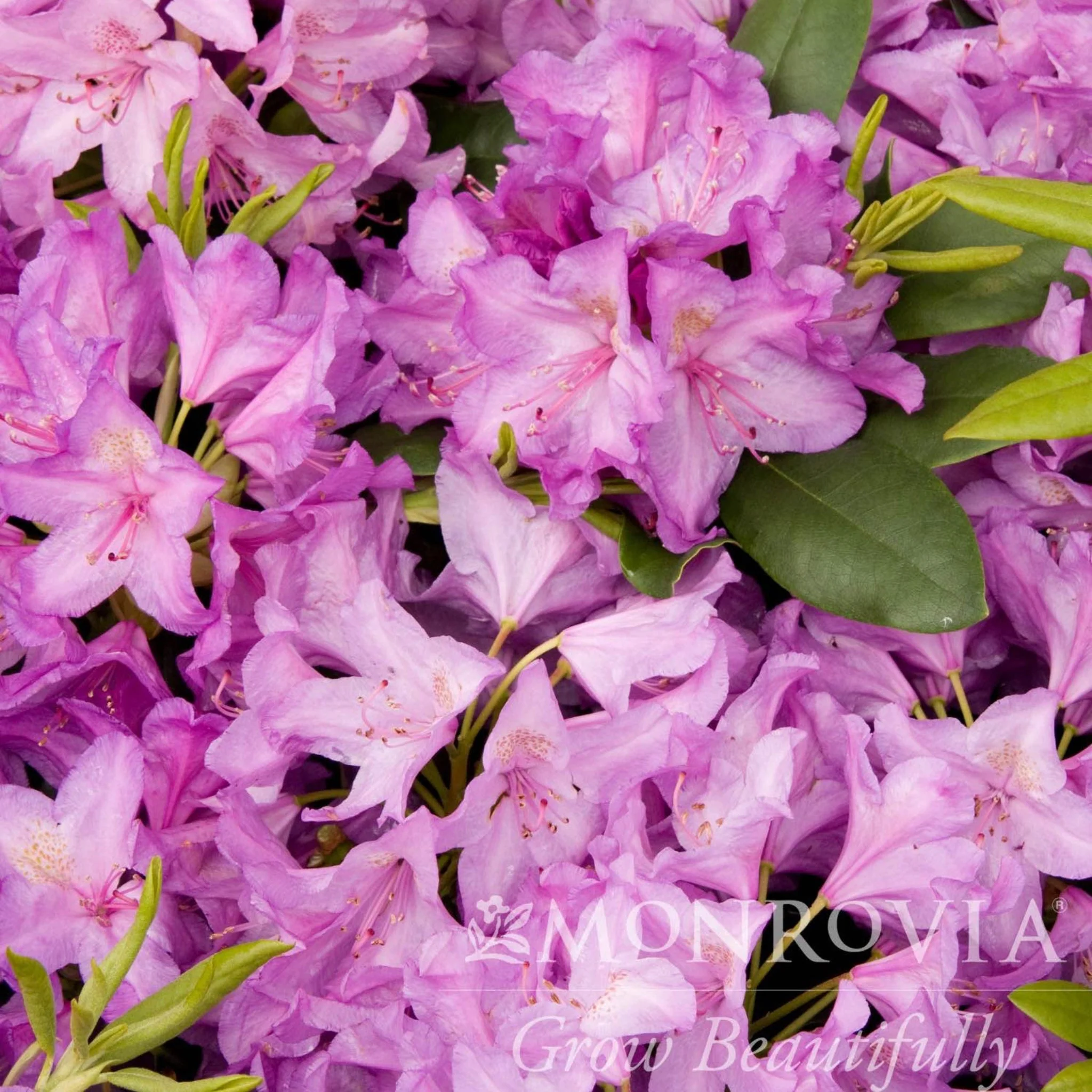
Pair Dream Weaver with the Roseum Pink Rhododendron — a shade-loving, acid-loving evergreen that blooms in spring, creating a seamless relay of color from spring through winter between the two shrubs.
Original: $99.95
-65%$99.95
$34.98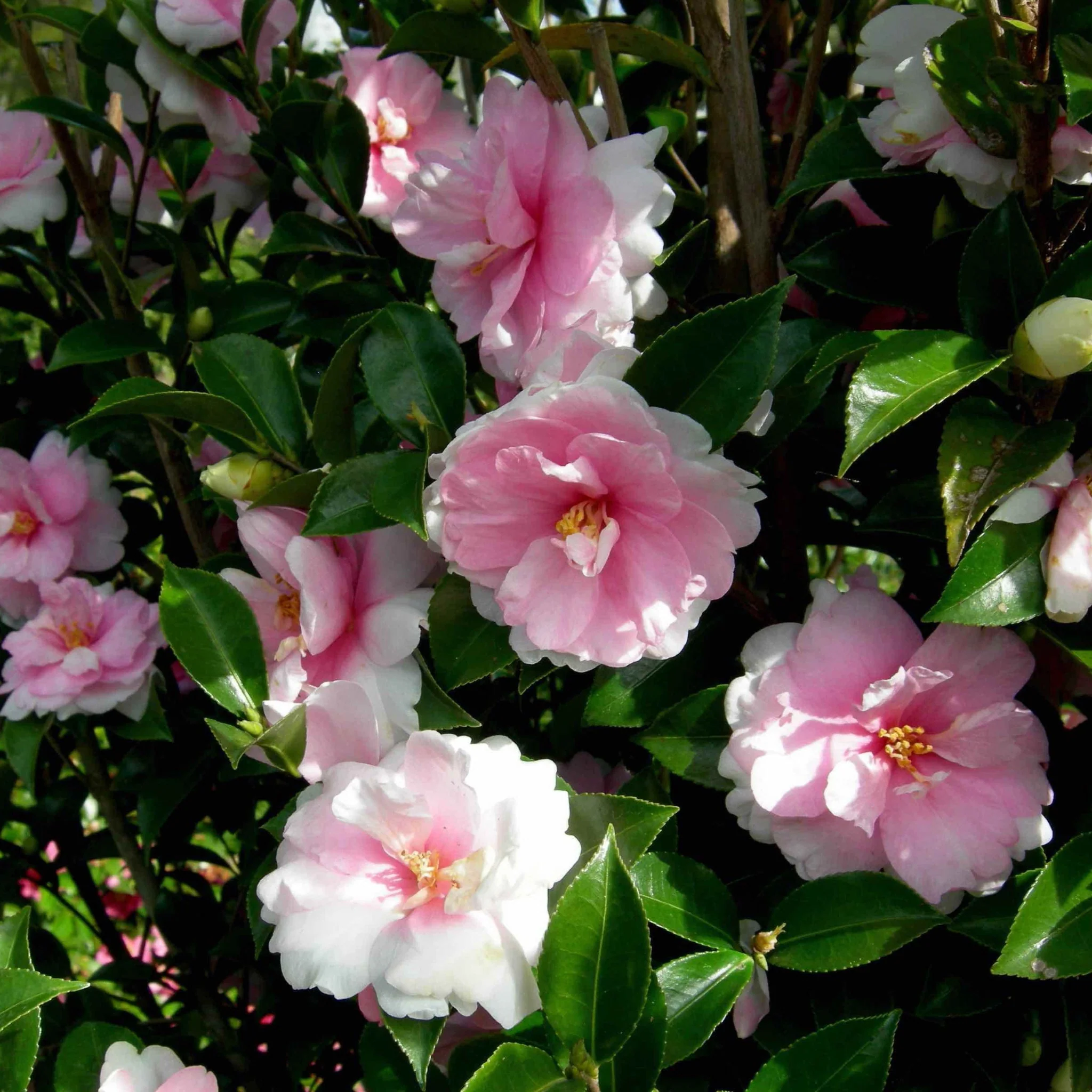
Description
Dream Weaver Camellia – Breathtaking Two-Tone Blooms When Your Garden Needs Color Most
Most flowering shrubs are done by summer. The Dream Weaver Camellia is just getting started. Blooming from fall through winter — when the rest of the garden has gone quiet — it delivers an extraordinary display of large, double flowers with a painterly two-tone pattern: deep pink to lavender-purple at the center, framed by pristine white outer petals. It’s a combination so striking it stops people mid-stride. And because it’s evergreen, it earns its place in the landscape every single month of the year.
Why Dream Weaver Stands Apart
- Rare fall-to-winter bloom season – Flowers October through February depending on zone — filling the color gap when virtually no other flowering shrubs are performing.
- Extraordinary two-tone flowers – Large, fully double blooms with deep pink-lavender centers and bright white outer petals — a painterly, almost artistic color combination unique among camellias.
- Evergreen year-round – Glossy, deep-green foliage provides structure, privacy, and lush texture in the landscape even when not in bloom.
- Shade-tolerant – Thrives in partial shade, making it ideal for north-facing beds, woodland gardens, and spots under tree canopies where few flowering shrubs succeed.
- Versatile form – Works as a specimen shrub, informal hedge, foundation planting, or container plant for patios and covered porches.
- Long-lived – Camellias are among the most enduring garden shrubs, often thriving for decades with minimal care.
Ideal Uses
- Specimen focal point in shade or partial shade gardens
- Foundation planting along north- or east-facing walls
- Informal flowering hedge or privacy screen
- Woodland garden or shaded border anchor
- Container planting for covered patios and porches
- Cut flower garden — blooms make stunning, long-lasting arrangements
Picture a gray November afternoon — your garden stripped of summer color — and then the Dream Weaver Camellia, covered in those extraordinary pink-and-white blooms, glowing against the dark evergreen foliage. It’s the plant that makes winter gardeners smile. That’s the Dream Weaver experience.
Growing Guide
- Zones: USDA 7–10
- Light: Partial shade to filtered sun; avoid harsh afternoon sun which can scorch foliage and bleach blooms
- Water: Keep soil consistently moist, especially during establishment and bloom season. Do not allow to dry out completely.
- Soil: Acidic, humus-rich, well-draining soil (pH 5.5–6.5). Amend with peat moss or pine bark at planting.
- Mulch: Apply 2–3 inches of pine bark or pine straw mulch to retain moisture, regulate soil temperature, and maintain acidity.
- Fertilizer: Feed with an acid-forming camellia/azalea fertilizer in spring after blooming ends. Do not fertilize in fall or winter.
- Pruning: Prune lightly immediately after blooming ends in late winter/early spring. Avoid pruning in fall, which removes developing flower buds.
- Mature size: 6–10 ft. tall, 4–6 ft. wide (slow-growing; easily maintained smaller)
Want Year-Round Flowering Shrubs?
Pair Dream Weaver with the Roseum Pink Rhododendron — a shade-loving, acid-loving evergreen that blooms in spring, creating a seamless relay of color from spring through winter between the two shrubs.