Elberta Peach Tree
Elberta Peach Tree – America’s Most Beloved Heirloom Peach
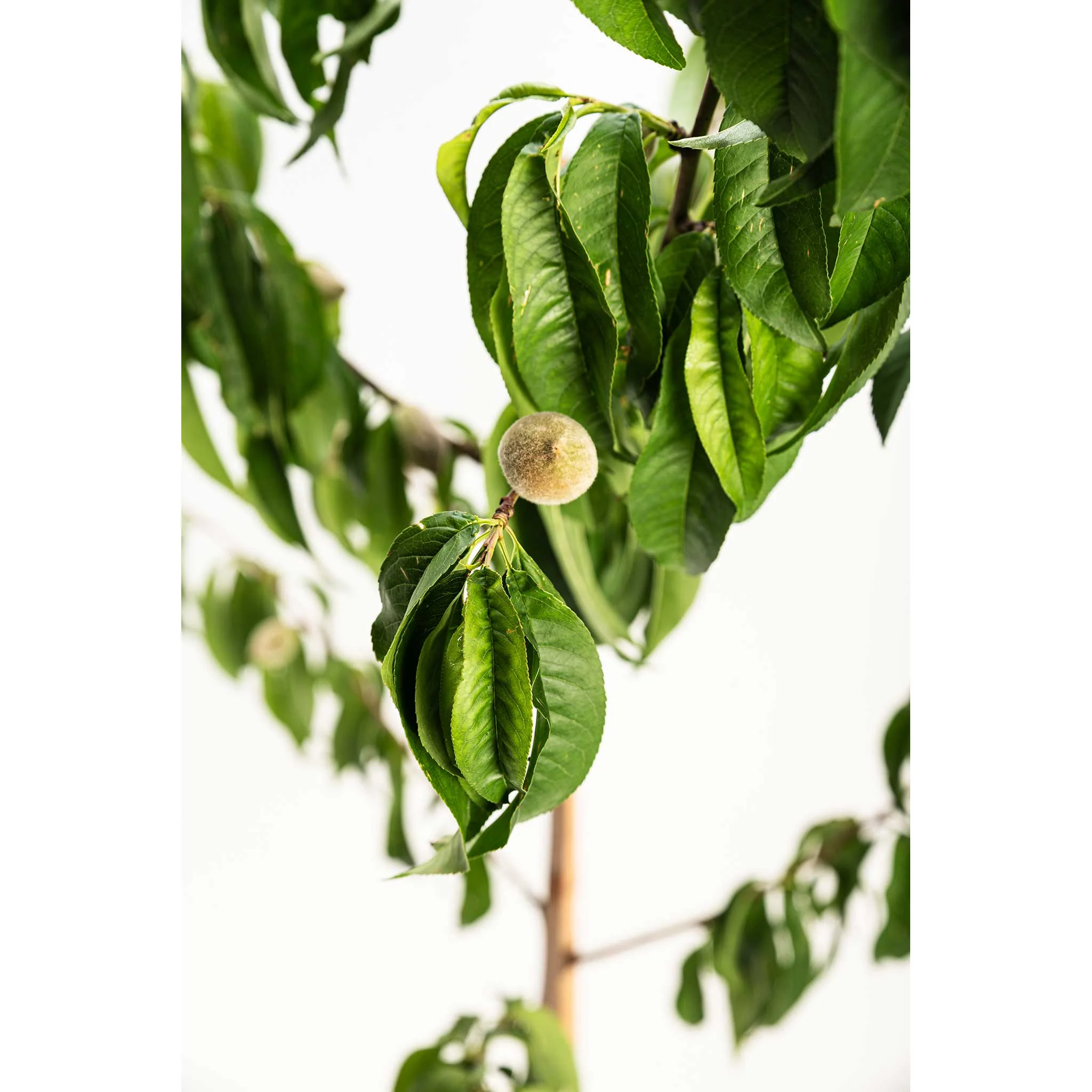
If there’s one peach that defined American home orchards for over a century, it’s the Elberta. Introduced in Georgia in the 1870s and named after the breeder’s wife, Elberta became the most widely planted peach in the United States — and it’s still the benchmark by which all other peaches are measured. Large, golden-yellow with a red blush, sweet and aromatic, with firm freestone flesh that’s perfect for fresh eating, canning, baking, and preserving.
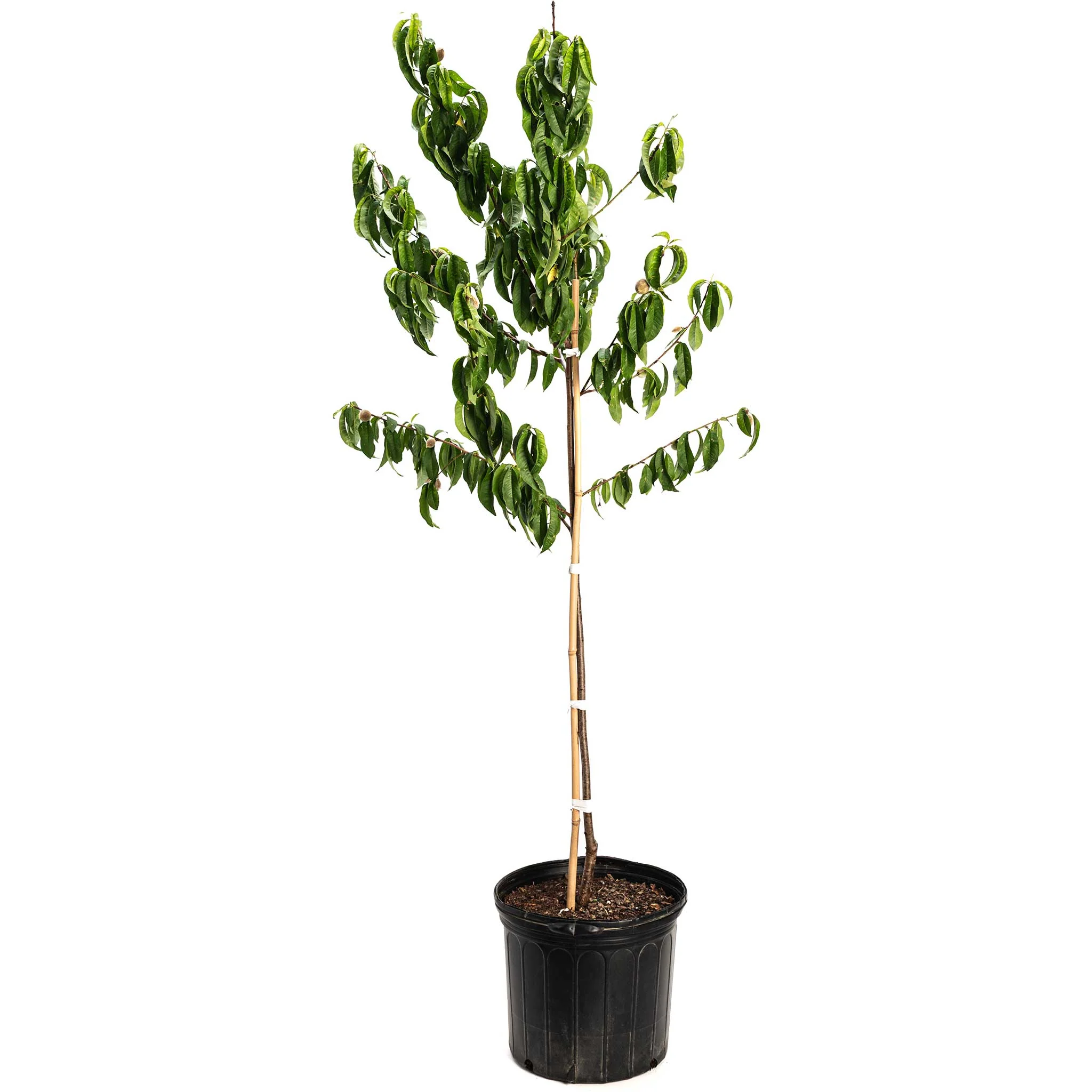
Our trees arrive at 4–7 feet tall — established and ready to fruit sooner than bare-root alternatives. Choose a single tree or upgrade to a Pollination Pack with Contender for a two-peach orchard that extends your harvest season.
Why You’ll Love the Elberta Peach Tree
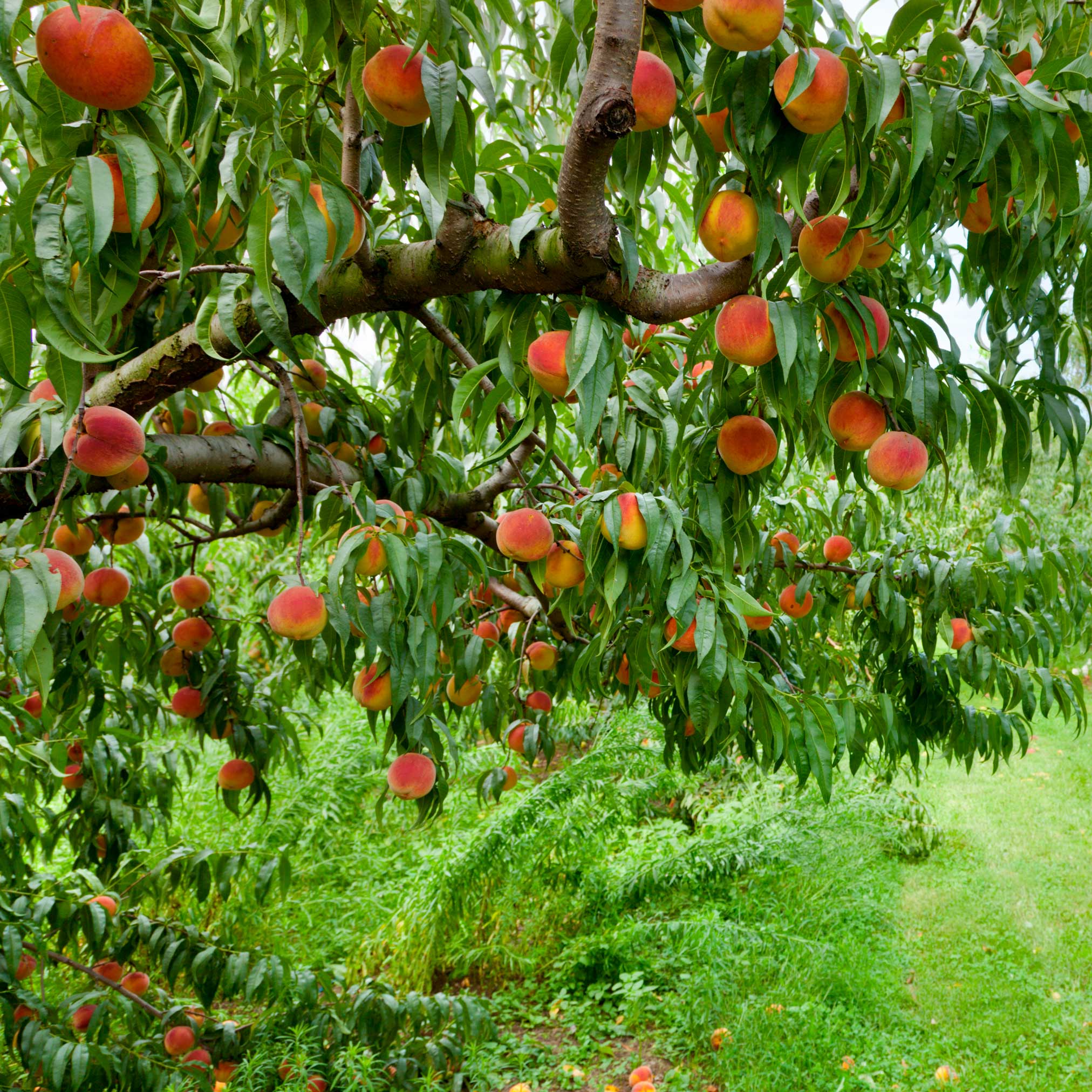
- Classic Heirloom Flavor: Large, golden-yellow peaches with a red blush, sweet aromatic flesh, and the rich, classic peach flavor that grocery store varieties rarely match
- Freestone Fruit: Flesh separates cleanly from the pit — easy to slice, halve, and process for canning, freezing, and preserves
- Self-Fertile: Produces a full harvest on its own — no pollination partner required, though a second peach nearby increases yields
- Heavy, Reliable Producer: Abundant crops of large peaches year after year once established
- Excellent for Canning & Preserving: Firm flesh holds its shape beautifully when canned or frozen — the traditional choice for home canners for generations
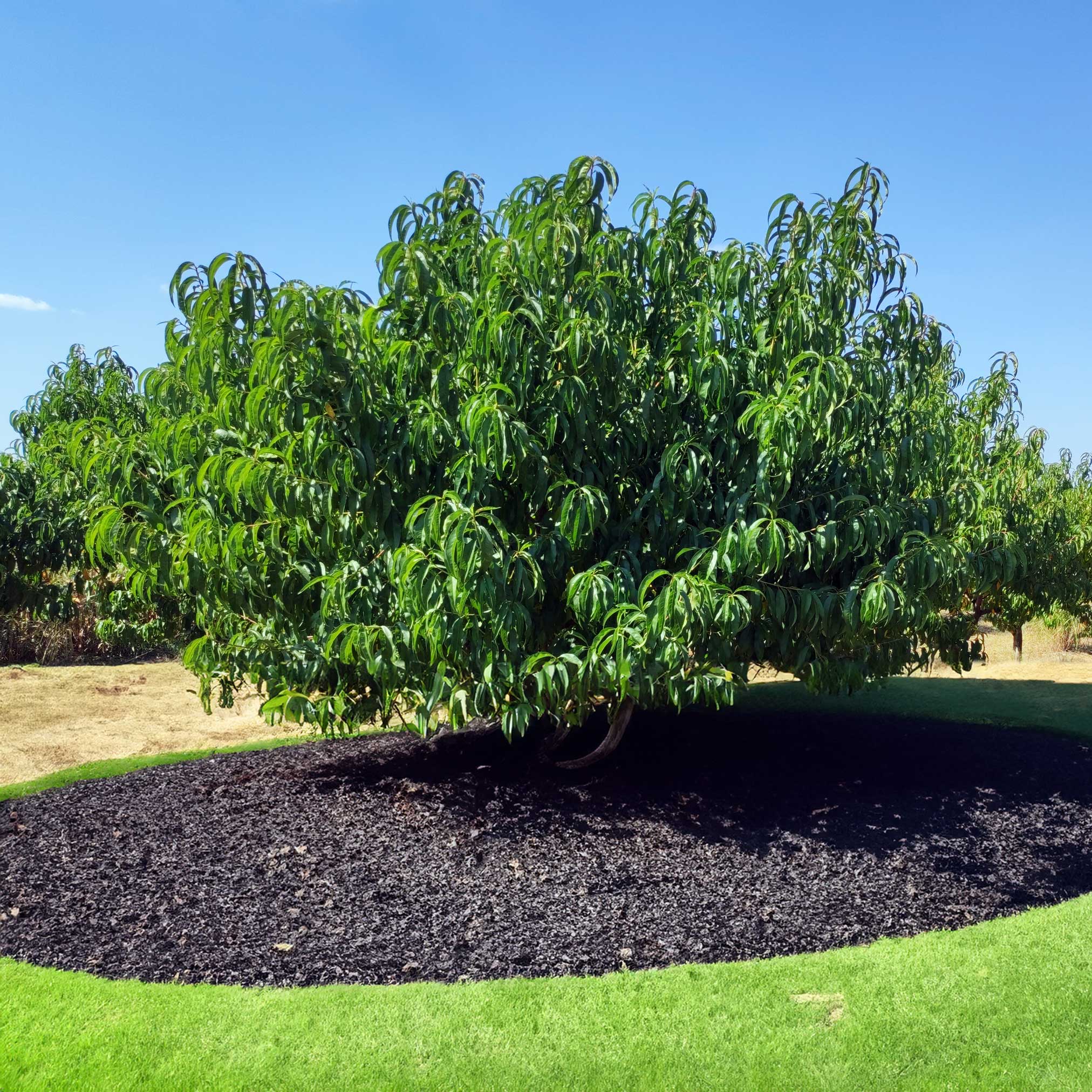
- Manageable Size: Reaches 12–15 ft. at maturity — easily kept smaller with annual pruning
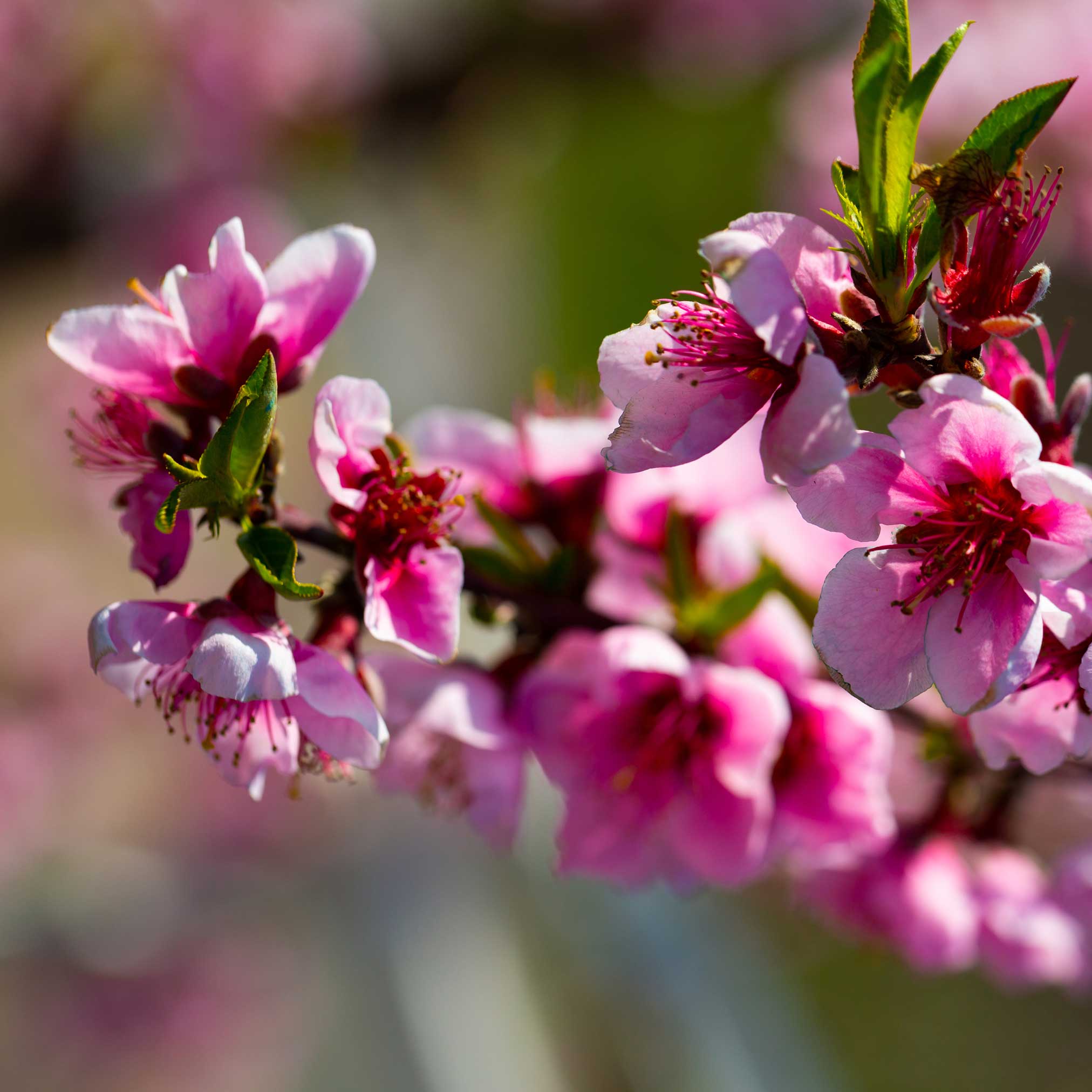
- Stunning Spring Blooms: Beautiful pink blossoms in early spring attract pollinators and signal the start of the season
Single Tree vs. Pollination Pack
Elberta is self-fertile and produces a full crop on its own. Our Pollination Pack pairs Elberta with a Contender Peach Tree — an exceptionally cold-hardy variety that blooms slightly later than Elberta, providing cross-pollination that boosts yields and extends your peach harvest. Contender ripens 2–3 weeks before Elberta, giving you fresh peaches from mid-July through late August.
Growing Zones & Care Guide
- USDA Hardiness Zones: Best suited for Zones 5–8. Elberta requires 800–950 chill hours (hours below 45°F) to break dormancy and set fruit reliably — one of the higher chill hour requirements among peach varieties, making it ideal for cool-winter climates.
- Zone 4 (With Protection): Possible in sheltered microclimates with winter mulching and a south-facing planting site. Late spring frosts can damage blossoms — site on a slight slope or elevated ground to improve cold air drainage.
- Zones 9–10: Elberta’s high chill hour requirement makes it poorly suited for warm-winter climates. Low-chill peach varieties are a better fit for Zones 9–10.
- Sunlight: Full sun — 6–8 hours of direct sunlight daily for best fruit set, size, and sweetness.
- Watering: Deep, consistent watering during the growing season, especially during fruit development. Reduce watering after harvest. Avoid waterlogged soil.
- Soil: Well-draining, loamy soil with a slightly acidic pH (6.0–6.5). Sandy loam is ideal. Avoid heavy clay or low-lying areas prone to standing water.
- Fertilizing: Apply a balanced fruit tree fertilizer in early spring before bud break. Avoid excess nitrogen after mid-summer, which can delay hardening before winter.
- Pruning: Prune annually in late winter to an open vase shape. This improves airflow, reduces disease pressure (especially peach leaf curl and brown rot), and encourages vigorous new fruiting wood. Peaches fruit on one-year-old wood — maintaining new growth is essential for consistent yields.
- Thinning: Thin fruit to one peach every 6–8 inches in late spring. This dramatically improves fruit size, flavor, and reduces branch breakage from heavy crops.
- Harvest Window: Late July through August, depending on your climate. Harvest when fruit yields to gentle pressure near the stem end, develops its full golden-yellow color and red blush, and releases a sweet peach fragrance.
Pair It With Another Great Peach
Looking for a peach that handles late spring frosts better? Our Frost® Peach Tree is specifically bred to resist late-frost damage with a later bloom time — an excellent companion to Elberta for growers in frost-prone climates who want a reliable backup crop when late frosts threaten.
Heirloom quality, classic flavor, and a century of proven performance — the Elberta Peach Tree is the timeless choice for any home orchard.
Original: $129.95
-65%$129.95
$45.48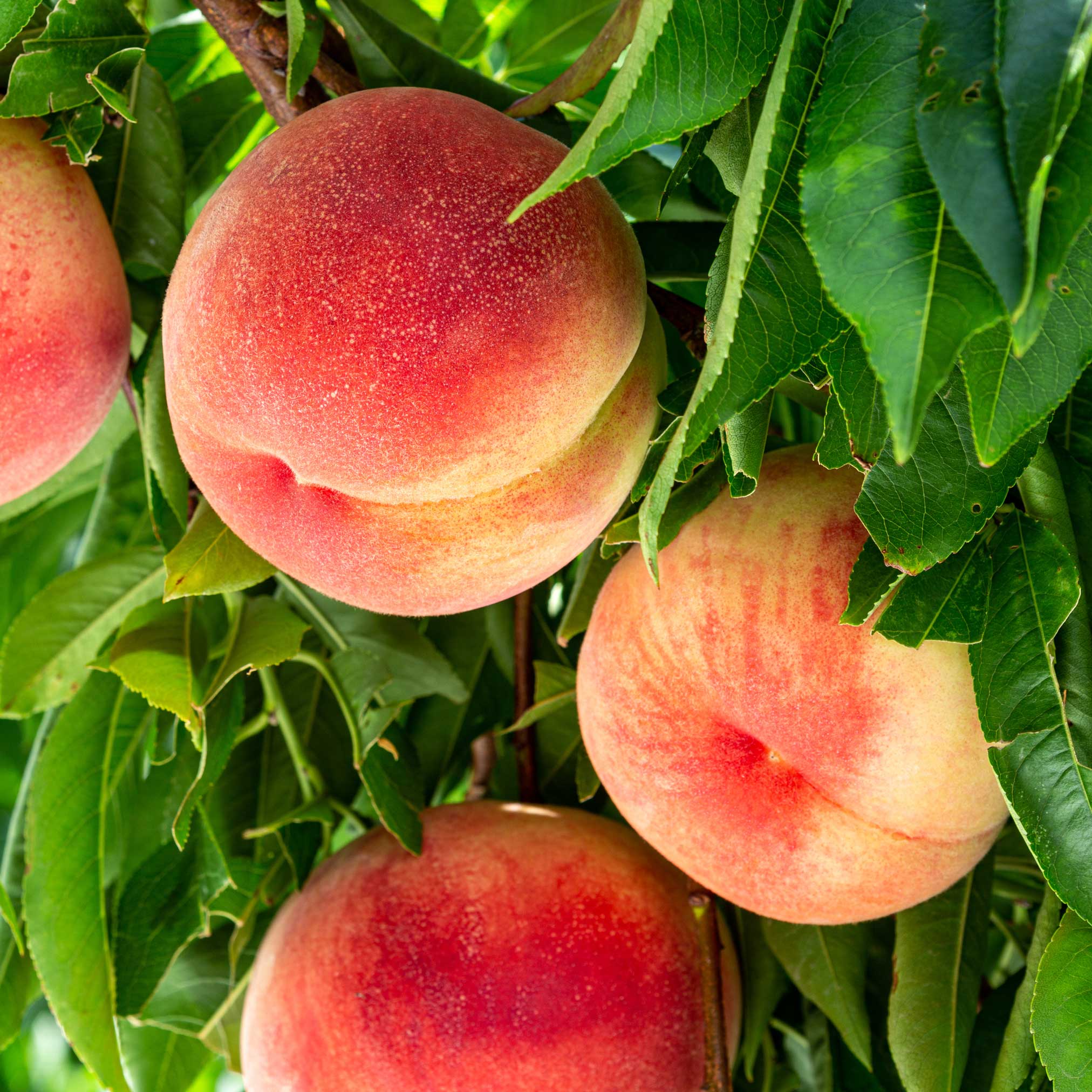
Description
Elberta Peach Tree – America’s Most Beloved Heirloom Peach
If there’s one peach that defined American home orchards for over a century, it’s the Elberta. Introduced in Georgia in the 1870s and named after the breeder’s wife, Elberta became the most widely planted peach in the United States — and it’s still the benchmark by which all other peaches are measured. Large, golden-yellow with a red blush, sweet and aromatic, with firm freestone flesh that’s perfect for fresh eating, canning, baking, and preserving.
Our trees arrive at 4–7 feet tall — established and ready to fruit sooner than bare-root alternatives. Choose a single tree or upgrade to a Pollination Pack with Contender for a two-peach orchard that extends your harvest season.
Why You’ll Love the Elberta Peach Tree
- Classic Heirloom Flavor: Large, golden-yellow peaches with a red blush, sweet aromatic flesh, and the rich, classic peach flavor that grocery store varieties rarely match
- Freestone Fruit: Flesh separates cleanly from the pit — easy to slice, halve, and process for canning, freezing, and preserves
- Self-Fertile: Produces a full harvest on its own — no pollination partner required, though a second peach nearby increases yields
- Heavy, Reliable Producer: Abundant crops of large peaches year after year once established
- Excellent for Canning & Preserving: Firm flesh holds its shape beautifully when canned or frozen — the traditional choice for home canners for generations
- Manageable Size: Reaches 12–15 ft. at maturity — easily kept smaller with annual pruning
- Stunning Spring Blooms: Beautiful pink blossoms in early spring attract pollinators and signal the start of the season
Single Tree vs. Pollination Pack
Elberta is self-fertile and produces a full crop on its own. Our Pollination Pack pairs Elberta with a Contender Peach Tree — an exceptionally cold-hardy variety that blooms slightly later than Elberta, providing cross-pollination that boosts yields and extends your peach harvest. Contender ripens 2–3 weeks before Elberta, giving you fresh peaches from mid-July through late August.
Growing Zones & Care Guide
- USDA Hardiness Zones: Best suited for Zones 5–8. Elberta requires 800–950 chill hours (hours below 45°F) to break dormancy and set fruit reliably — one of the higher chill hour requirements among peach varieties, making it ideal for cool-winter climates.
- Zone 4 (With Protection): Possible in sheltered microclimates with winter mulching and a south-facing planting site. Late spring frosts can damage blossoms — site on a slight slope or elevated ground to improve cold air drainage.
- Zones 9–10: Elberta’s high chill hour requirement makes it poorly suited for warm-winter climates. Low-chill peach varieties are a better fit for Zones 9–10.
- Sunlight: Full sun — 6–8 hours of direct sunlight daily for best fruit set, size, and sweetness.
- Watering: Deep, consistent watering during the growing season, especially during fruit development. Reduce watering after harvest. Avoid waterlogged soil.
- Soil: Well-draining, loamy soil with a slightly acidic pH (6.0–6.5). Sandy loam is ideal. Avoid heavy clay or low-lying areas prone to standing water.
- Fertilizing: Apply a balanced fruit tree fertilizer in early spring before bud break. Avoid excess nitrogen after mid-summer, which can delay hardening before winter.
- Pruning: Prune annually in late winter to an open vase shape. This improves airflow, reduces disease pressure (especially peach leaf curl and brown rot), and encourages vigorous new fruiting wood. Peaches fruit on one-year-old wood — maintaining new growth is essential for consistent yields.
- Thinning: Thin fruit to one peach every 6–8 inches in late spring. This dramatically improves fruit size, flavor, and reduces branch breakage from heavy crops.
- Harvest Window: Late July through August, depending on your climate. Harvest when fruit yields to gentle pressure near the stem end, develops its full golden-yellow color and red blush, and releases a sweet peach fragrance.
Pair It With Another Great Peach
Looking for a peach that handles late spring frosts better? Our Frost® Peach Tree is specifically bred to resist late-frost damage with a later bloom time — an excellent companion to Elberta for growers in frost-prone climates who want a reliable backup crop when late frosts threaten.
Heirloom quality, classic flavor, and a century of proven performance — the Elberta Peach Tree is the timeless choice for any home orchard.