Frost® Peach Tree – Self-Fertile - Sweet Golden Peaches
Frost® Peach Tree – Cold-Hardy, Self-Fertile & Built for Cooler Climates
Most peach trees and late spring frosts don’t mix — but the Frost® Peach Tree was specifically bred to change that. Developed at the University of California, Frost® is one of the most cold-hardy and frost-resistant peach varieties available, with late-blooming flowers that sidestep the frosts that devastate other peach crops. The result: reliable, abundant harvests of sweet, golden-yellow peaches even in climates where peaches are notoriously difficult to grow.
Our trees arrive at 3–7 feet tall — established, healthy, and ready to fruit sooner than bare-root alternatives.
Why You’ll Love the Frost® Peach Tree
- Late-Blooming Frost Resistance: Flowers later than most peach varieties, avoiding the late spring frosts that wipe out other crops — the key reason this variety was bred
- Sweet, Golden-Yellow Flesh: Rich, classic peach flavor with firm, freestone flesh — excellent for fresh eating, baking, canning, and preserving
- Freestone Fruit: Flesh separates cleanly from the pit — easy to slice, halve, and process
- Self-Fertile: Produces a full harvest on its own — no pollination partner required, though a second peach nearby can increase yields
- Manageable Size: Reaches 12–15 ft. at maturity — suitable for standard yards and easily kept smaller with annual pruning
- Stunning Spring Blooms: Beautiful pink blossoms in early spring attract pollinators and signal the start of the season
- Reliable Annual Producer: Consistent, heavy crops once established in the right climate
Growing Zones & Care Guide
- USDA Hardiness Zones: Best suited for Zones 5–8. Frost® Peach requires 700–900 chill hours (hours below 45°F) to break dormancy and set fruit reliably — making it ideal for cool-winter climates where late frosts are a recurring challenge.
- Zone 4 (With Protection): Possible in sheltered microclimates with winter mulching and a south-facing planting site. The late-blooming habit provides some natural frost protection, but hard freezes below −20°F can still damage wood.
- Zones 9–10: Frost®’s high chill hour requirement makes it poorly suited for warm-winter climates. Low-chill peach varieties are a better fit for Zones 9–10.
- Sunlight: Full sun — 6–8 hours of direct sunlight daily for best fruit set, size, and sweetness.
- Watering: Deep, consistent watering during the growing season, especially during fruit development. Reduce watering after harvest. Avoid waterlogged soil, which promotes root rot and disease.
- Soil: Well-draining, loamy soil with a slightly acidic pH (6.0–6.5). Sandy loam is ideal. Avoid heavy clay or low-lying areas prone to standing water or late frost pockets.
- Fertilizing: Apply a balanced fruit tree fertilizer in early spring before bud break. Avoid excess nitrogen after mid-summer, which can delay hardening before winter.
- Pruning: Prune annually in late winter to an open vase shape. This improves airflow, reduces disease pressure (especially peach leaf curl), and encourages vigorous new fruiting wood. Peaches fruit on one-year-old wood — maintaining new growth is essential for consistent yields.
- Thinning: Thin fruit to one peach every 6–8 inches in late spring. This dramatically improves fruit size, flavor, and reduces branch breakage from heavy crops.
- Harvest Window: Mid-to-late summer (July–August), depending on your climate. Harvest when fruit yields to gentle pressure near the stem end and develops its full golden-yellow color and sweet fragrance.
Pair It With Another Cold-Hardy Stone Fruit
Love cold-hardy fruit trees? Our Hardired Nectarine Tree is another exceptional cold-hardy stone fruit — tolerating temperatures down to −20°F with sweet, freestone nectarines that ripen in mid-summer. Together, Frost® Peach and Hardired Nectarine make a fantastic cold-climate stone fruit duo with overlapping harvests through July and August.
Cold-hardy, self-fertile, and loaded with classic summer peach flavor — the Frost® Peach Tree is the reliable, frost-resistant choice every cool-climate gardener deserves.
Original: $119.95
-65%$119.95
$41.98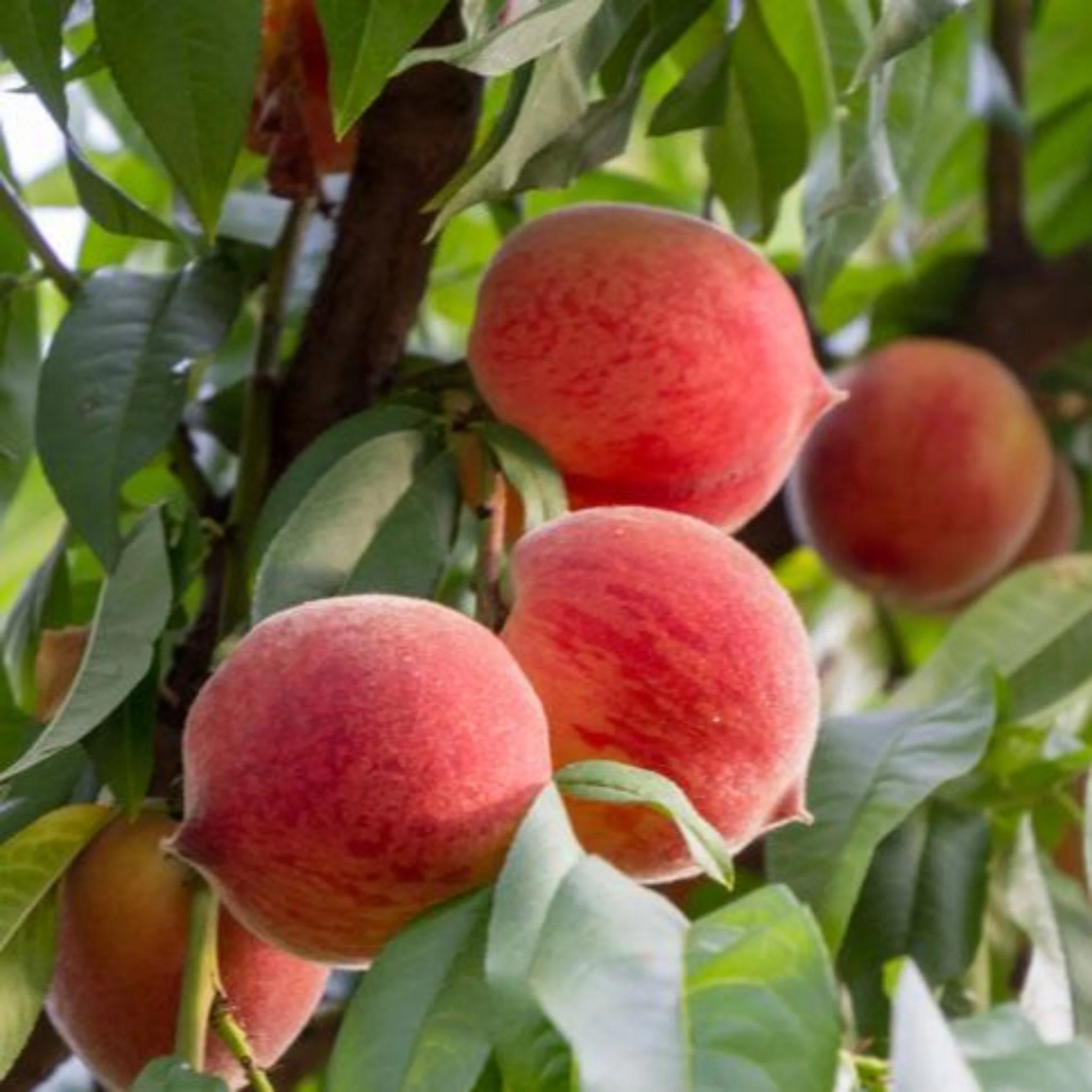
Description
Frost® Peach Tree – Cold-Hardy, Self-Fertile & Built for Cooler Climates
Most peach trees and late spring frosts don’t mix — but the Frost® Peach Tree was specifically bred to change that. Developed at the University of California, Frost® is one of the most cold-hardy and frost-resistant peach varieties available, with late-blooming flowers that sidestep the frosts that devastate other peach crops. The result: reliable, abundant harvests of sweet, golden-yellow peaches even in climates where peaches are notoriously difficult to grow.
Our trees arrive at 3–7 feet tall — established, healthy, and ready to fruit sooner than bare-root alternatives.
Why You’ll Love the Frost® Peach Tree
- Late-Blooming Frost Resistance: Flowers later than most peach varieties, avoiding the late spring frosts that wipe out other crops — the key reason this variety was bred
- Sweet, Golden-Yellow Flesh: Rich, classic peach flavor with firm, freestone flesh — excellent for fresh eating, baking, canning, and preserving
- Freestone Fruit: Flesh separates cleanly from the pit — easy to slice, halve, and process
- Self-Fertile: Produces a full harvest on its own — no pollination partner required, though a second peach nearby can increase yields
- Manageable Size: Reaches 12–15 ft. at maturity — suitable for standard yards and easily kept smaller with annual pruning
- Stunning Spring Blooms: Beautiful pink blossoms in early spring attract pollinators and signal the start of the season
- Reliable Annual Producer: Consistent, heavy crops once established in the right climate
Growing Zones & Care Guide
- USDA Hardiness Zones: Best suited for Zones 5–8. Frost® Peach requires 700–900 chill hours (hours below 45°F) to break dormancy and set fruit reliably — making it ideal for cool-winter climates where late frosts are a recurring challenge.
- Zone 4 (With Protection): Possible in sheltered microclimates with winter mulching and a south-facing planting site. The late-blooming habit provides some natural frost protection, but hard freezes below −20°F can still damage wood.
- Zones 9–10: Frost®’s high chill hour requirement makes it poorly suited for warm-winter climates. Low-chill peach varieties are a better fit for Zones 9–10.
- Sunlight: Full sun — 6–8 hours of direct sunlight daily for best fruit set, size, and sweetness.
- Watering: Deep, consistent watering during the growing season, especially during fruit development. Reduce watering after harvest. Avoid waterlogged soil, which promotes root rot and disease.
- Soil: Well-draining, loamy soil with a slightly acidic pH (6.0–6.5). Sandy loam is ideal. Avoid heavy clay or low-lying areas prone to standing water or late frost pockets.
- Fertilizing: Apply a balanced fruit tree fertilizer in early spring before bud break. Avoid excess nitrogen after mid-summer, which can delay hardening before winter.
- Pruning: Prune annually in late winter to an open vase shape. This improves airflow, reduces disease pressure (especially peach leaf curl), and encourages vigorous new fruiting wood. Peaches fruit on one-year-old wood — maintaining new growth is essential for consistent yields.
- Thinning: Thin fruit to one peach every 6–8 inches in late spring. This dramatically improves fruit size, flavor, and reduces branch breakage from heavy crops.
- Harvest Window: Mid-to-late summer (July–August), depending on your climate. Harvest when fruit yields to gentle pressure near the stem end and develops its full golden-yellow color and sweet fragrance.
Pair It With Another Cold-Hardy Stone Fruit
Love cold-hardy fruit trees? Our Hardired Nectarine Tree is another exceptional cold-hardy stone fruit — tolerating temperatures down to −20°F with sweet, freestone nectarines that ripen in mid-summer. Together, Frost® Peach and Hardired Nectarine make a fantastic cold-climate stone fruit duo with overlapping harvests through July and August.
Cold-hardy, self-fertile, and loaded with classic summer peach flavor — the Frost® Peach Tree is the reliable, frost-resistant choice every cool-climate gardener deserves.