Genoa Lemon Tree
Genoa Lemon Tree – Italian Heirloom Citrus with a Late-Winter Harvest
Introduced from Genoa, Italy in 1875, the Genoa Lemon Tree is one of the oldest and most respected lemon varieties in cultivation. Similar in character to the Eureka, Genoa sets itself apart with its distinctly late-winter peak harvest — ripening in February and March when fresh homegrown lemons are most welcome — and its exceptionally compact, thornless form that makes it one of the best lemon trees for containers and small spaces.
If you’re looking for an heirloom variety with proven performance, beautiful form, and a harvest that bridges winter and spring, the Genoa Lemon is a standout choice.
Why You’ll Love the Genoa Lemon Tree
- Late-Winter Peak Harvest: Ripens February–March — fills the gap when most other citrus has finished and fresh lemons are hardest to find
- Italian Heirloom Heritage: Introduced from Genoa, Italy in 1875 — over 150 years of proven performance in home and commercial orchards
- Compact & Thornless: One of the most manageable lemon varieties — ideal for containers, patios, balconies, and small gardens
- High Yield: Prolific producer of perfectly sized, juicy, tangy lemons with thin skin and abundant juice
- Self-Fertile: One tree produces a full harvest — no pollination partner needed
- Fragrant Blooms: Sweetly scented white blossoms attract pollinators and fill your space with a classic citrus fragrance
- Year-Round Interest: Glossy evergreen foliage, fragrant flowers, and bright yellow fruit make it a beautiful ornamental specimen in any season
Growing Zones & Care Guide
- USDA Hardiness Zones: Best planted in the ground in Zones 8–11. Genoa Lemon performs best in mild, frost-light climates similar to its Mediterranean origins. Protect from temperatures below 28°F.
- Zones 4–7 (Container Growing): Grow in a 15–25 gallon container and move indoors before the first frost. Its compact, thornless form makes it one of the easiest lemon varieties to manage indoors. A bright south-facing window or grow light keeps it productive through winter.
- Sunlight: Full sun — 6–8 hours of direct sunlight daily for best fruit set and flavor. Tolerates partial shade indoors but produces fewer lemons.
- Watering: Water deeply and allow the top 2–3 inches of soil to dry between waterings. Increase frequency during hot, dry spells. Never let roots sit in standing water.
- Soil: Well-draining, slightly acidic soil (pH 6.0–7.0). Use a premium citrus potting mix for containers.
- Fertilizing: Apply a citrus-formulated fertilizer in spring, summer, and early fall. Skip fertilizing in late fall and winter to allow the tree to rest.
- Pruning: Minimal pruning needed thanks to its naturally compact, thornless form. Remove any crossing branches and water sprouts to maintain good airflow and shape.
- Harvest Window: Peak harvest February–March, with lighter fruiting possible at other times of year. Harvest when fruit is fully yellow and yields slightly to gentle pressure.
Compare With Other Great Lemons
Deciding between lemon varieties? Our Lisbon Lemon Tree is the most cold-hardy and vigorous lemon available — a great choice for cooler climates or gardeners who want maximum resilience. For a thornless, year-round producer, see our Eureka Lemon Tree. Many growers plant all three for a continuous, overlapping lemon harvest from fall through spring.
Heirloom quality, compact form, and a late-winter harvest that no other lemon delivers — the Genoa Lemon Tree is a timeless addition to any citrus collection.
Original: $119.95
-65%$119.95
$41.98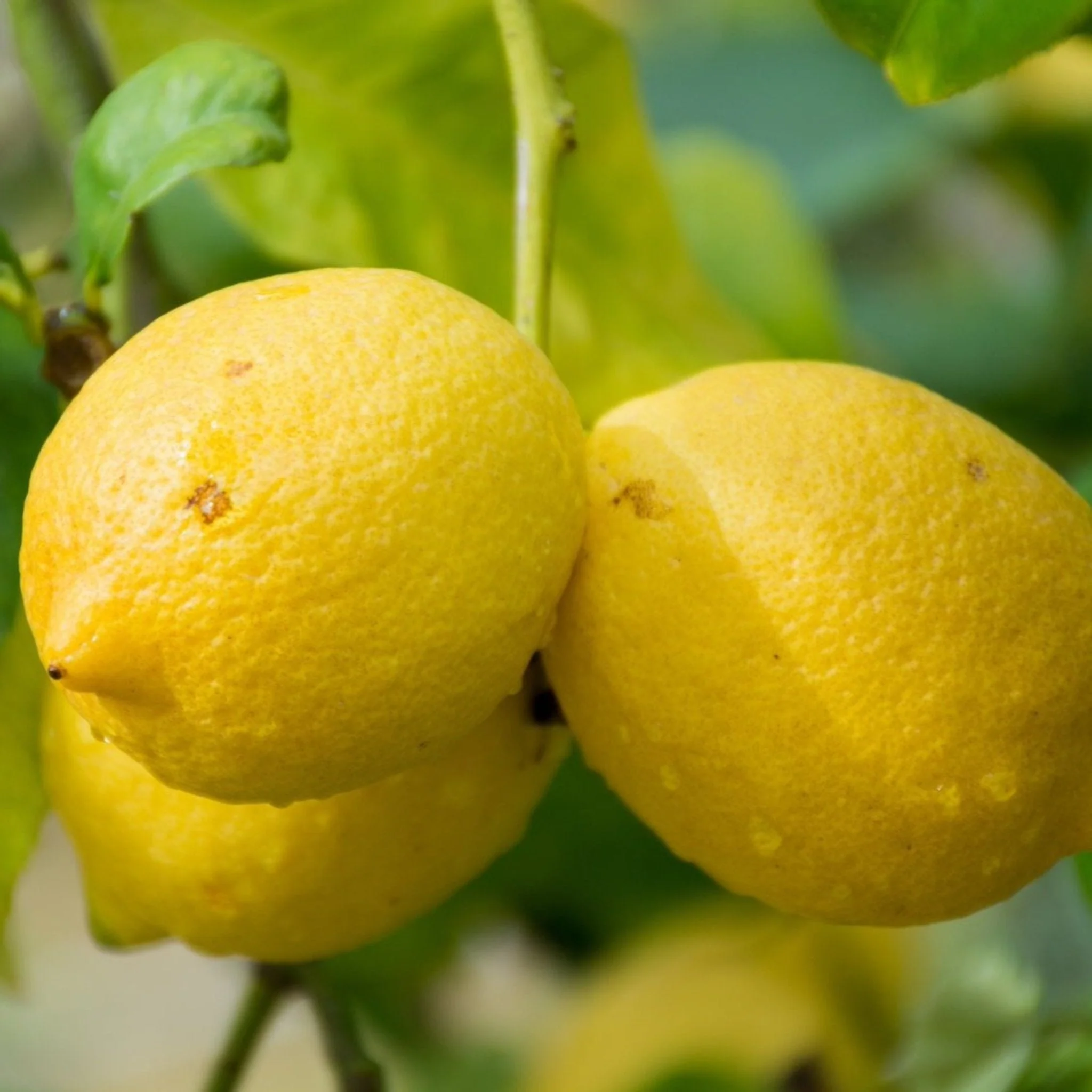
Description
Genoa Lemon Tree – Italian Heirloom Citrus with a Late-Winter Harvest
Introduced from Genoa, Italy in 1875, the Genoa Lemon Tree is one of the oldest and most respected lemon varieties in cultivation. Similar in character to the Eureka, Genoa sets itself apart with its distinctly late-winter peak harvest — ripening in February and March when fresh homegrown lemons are most welcome — and its exceptionally compact, thornless form that makes it one of the best lemon trees for containers and small spaces.
If you’re looking for an heirloom variety with proven performance, beautiful form, and a harvest that bridges winter and spring, the Genoa Lemon is a standout choice.
Why You’ll Love the Genoa Lemon Tree
- Late-Winter Peak Harvest: Ripens February–March — fills the gap when most other citrus has finished and fresh lemons are hardest to find
- Italian Heirloom Heritage: Introduced from Genoa, Italy in 1875 — over 150 years of proven performance in home and commercial orchards
- Compact & Thornless: One of the most manageable lemon varieties — ideal for containers, patios, balconies, and small gardens
- High Yield: Prolific producer of perfectly sized, juicy, tangy lemons with thin skin and abundant juice
- Self-Fertile: One tree produces a full harvest — no pollination partner needed
- Fragrant Blooms: Sweetly scented white blossoms attract pollinators and fill your space with a classic citrus fragrance
- Year-Round Interest: Glossy evergreen foliage, fragrant flowers, and bright yellow fruit make it a beautiful ornamental specimen in any season
Growing Zones & Care Guide
- USDA Hardiness Zones: Best planted in the ground in Zones 8–11. Genoa Lemon performs best in mild, frost-light climates similar to its Mediterranean origins. Protect from temperatures below 28°F.
- Zones 4–7 (Container Growing): Grow in a 15–25 gallon container and move indoors before the first frost. Its compact, thornless form makes it one of the easiest lemon varieties to manage indoors. A bright south-facing window or grow light keeps it productive through winter.
- Sunlight: Full sun — 6–8 hours of direct sunlight daily for best fruit set and flavor. Tolerates partial shade indoors but produces fewer lemons.
- Watering: Water deeply and allow the top 2–3 inches of soil to dry between waterings. Increase frequency during hot, dry spells. Never let roots sit in standing water.
- Soil: Well-draining, slightly acidic soil (pH 6.0–7.0). Use a premium citrus potting mix for containers.
- Fertilizing: Apply a citrus-formulated fertilizer in spring, summer, and early fall. Skip fertilizing in late fall and winter to allow the tree to rest.
- Pruning: Minimal pruning needed thanks to its naturally compact, thornless form. Remove any crossing branches and water sprouts to maintain good airflow and shape.
- Harvest Window: Peak harvest February–March, with lighter fruiting possible at other times of year. Harvest when fruit is fully yellow and yields slightly to gentle pressure.
Compare With Other Great Lemons
Deciding between lemon varieties? Our Lisbon Lemon Tree is the most cold-hardy and vigorous lemon available — a great choice for cooler climates or gardeners who want maximum resilience. For a thornless, year-round producer, see our Eureka Lemon Tree. Many growers plant all three for a continuous, overlapping lemon harvest from fall through spring.
Heirloom quality, compact form, and a late-winter harvest that no other lemon delivers — the Genoa Lemon Tree is a timeless addition to any citrus collection.