Goji Berry Plant – Superfood Berry
Goji Berry Plant – The Superfood Berry That Practically Grows Itself
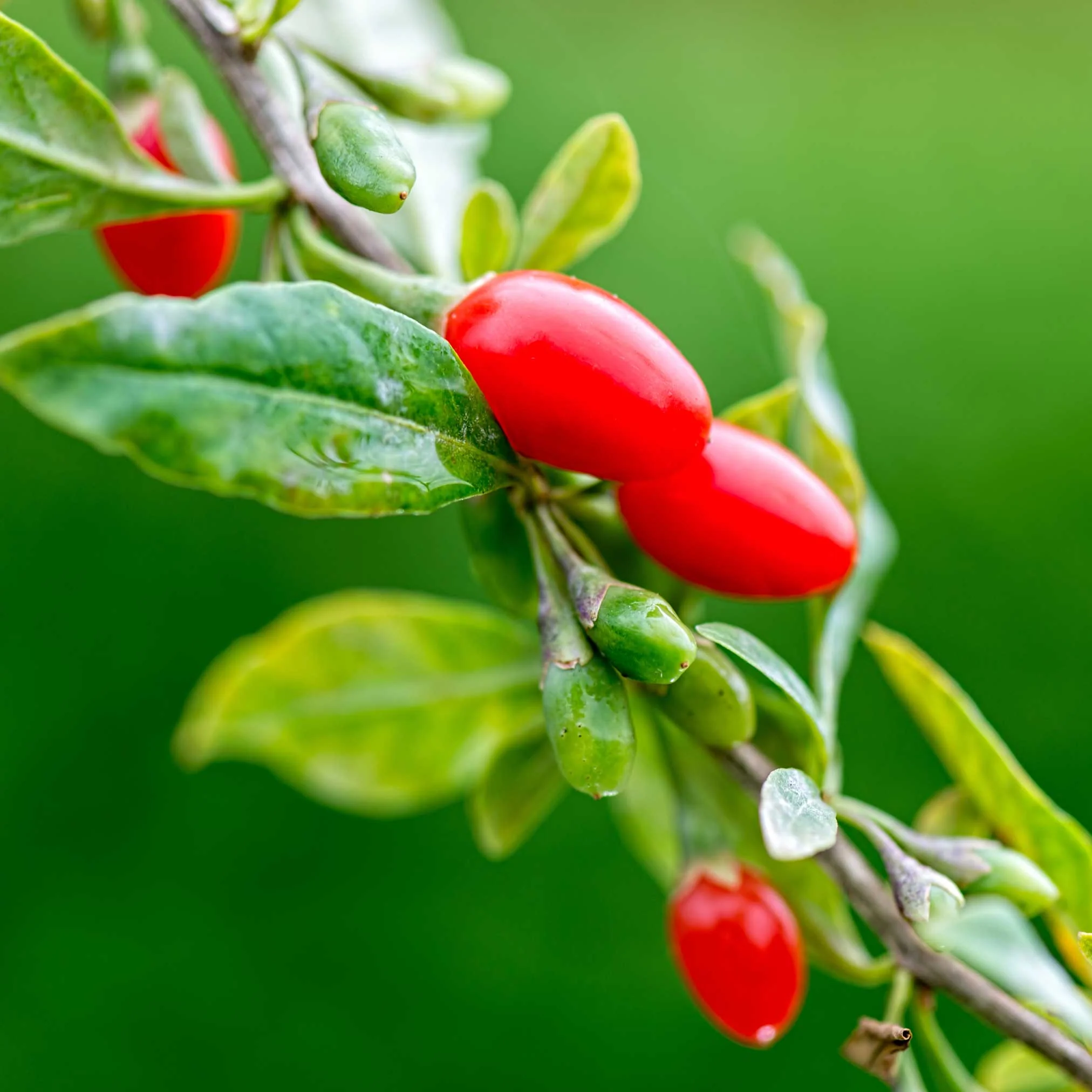
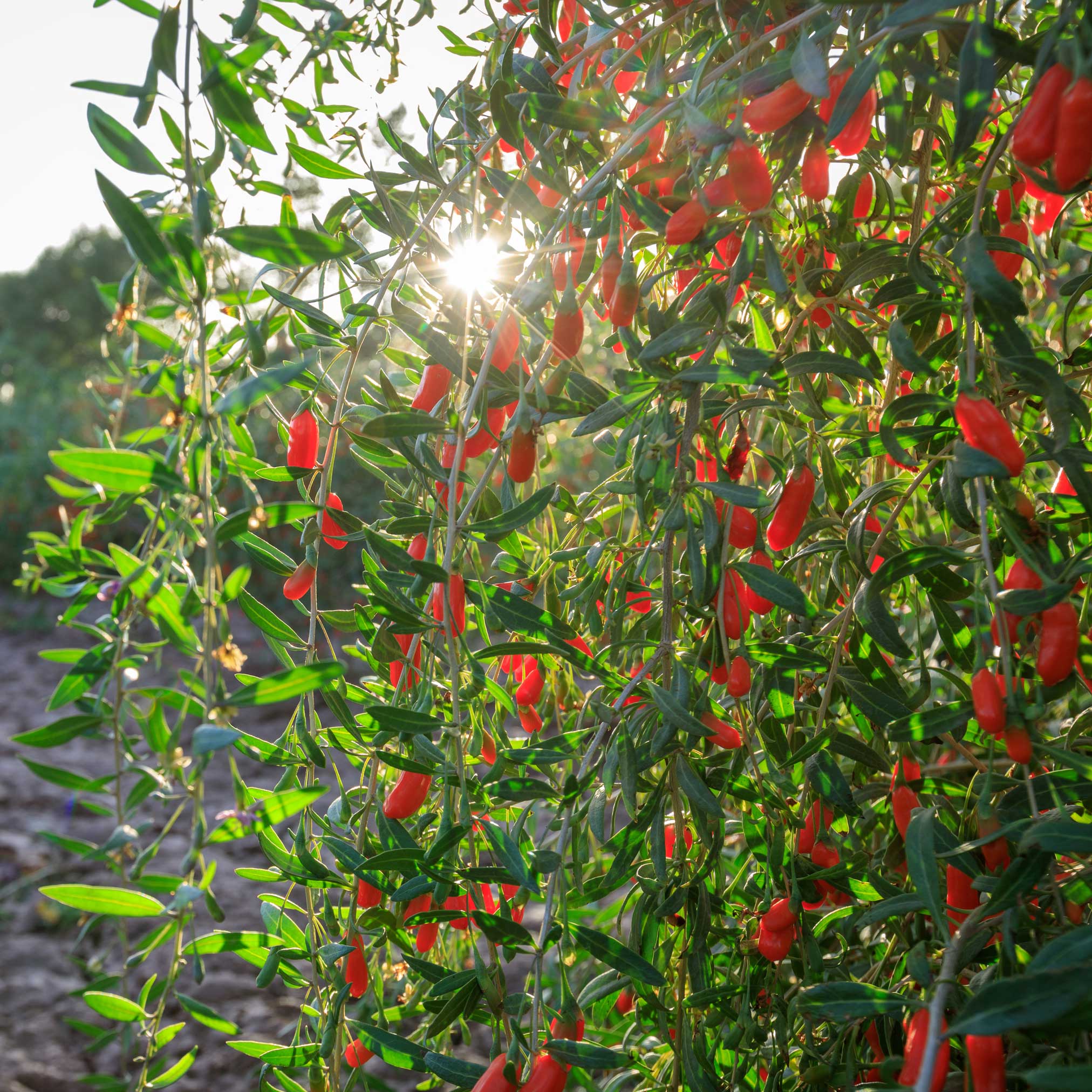
The Goji Berry (Lycium barbarum) is one of the most nutritionally dense fruits you can grow at home — and one of the easiest. Celebrated for centuries in traditional Chinese medicine and now a staple of the modern superfood movement, Goji Berries deliver a sweet-tart flavor packed with antioxidants, vitamins, and minerals. Grow them fresh, dry them for snacking, or blend them into smoothies — all from your own backyard.
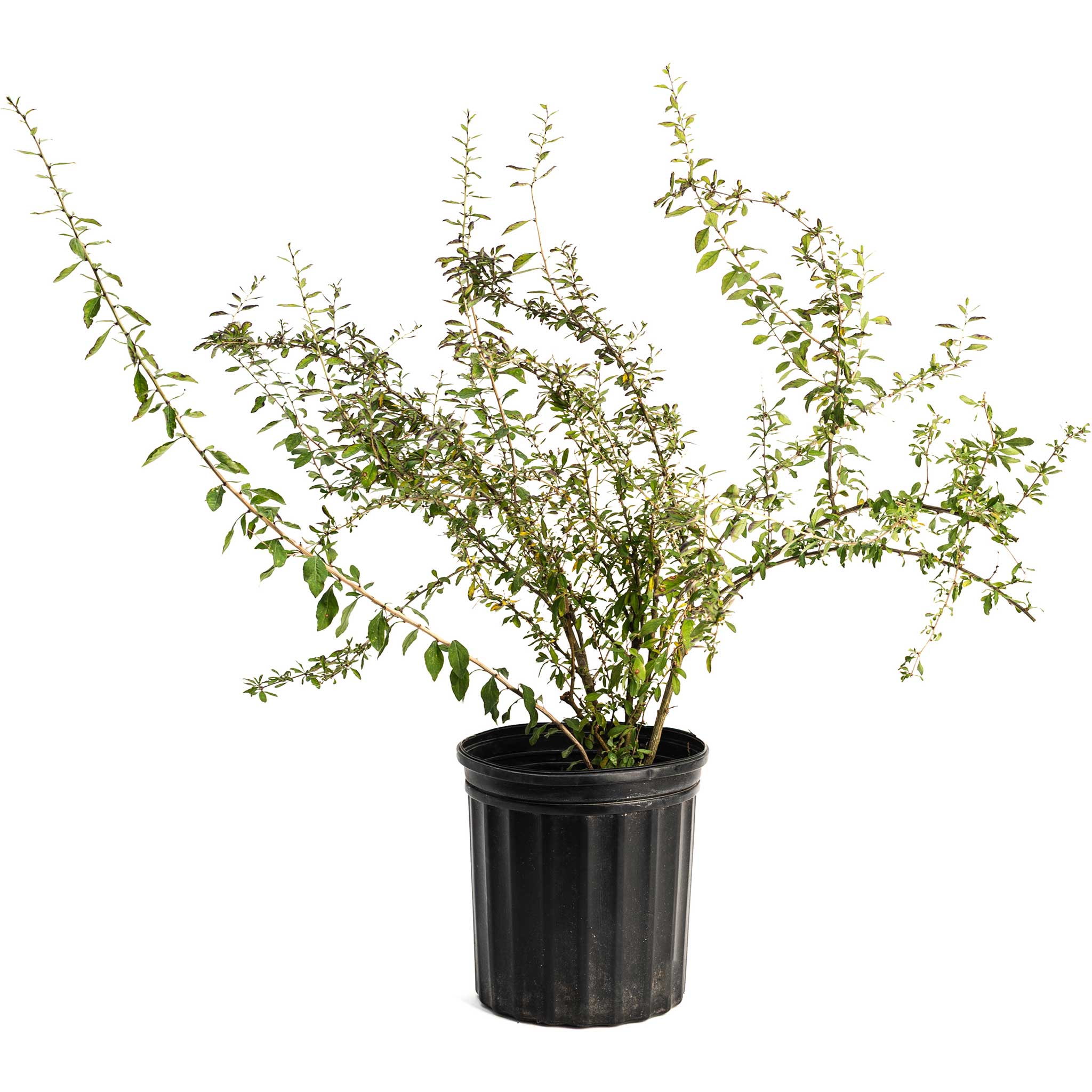
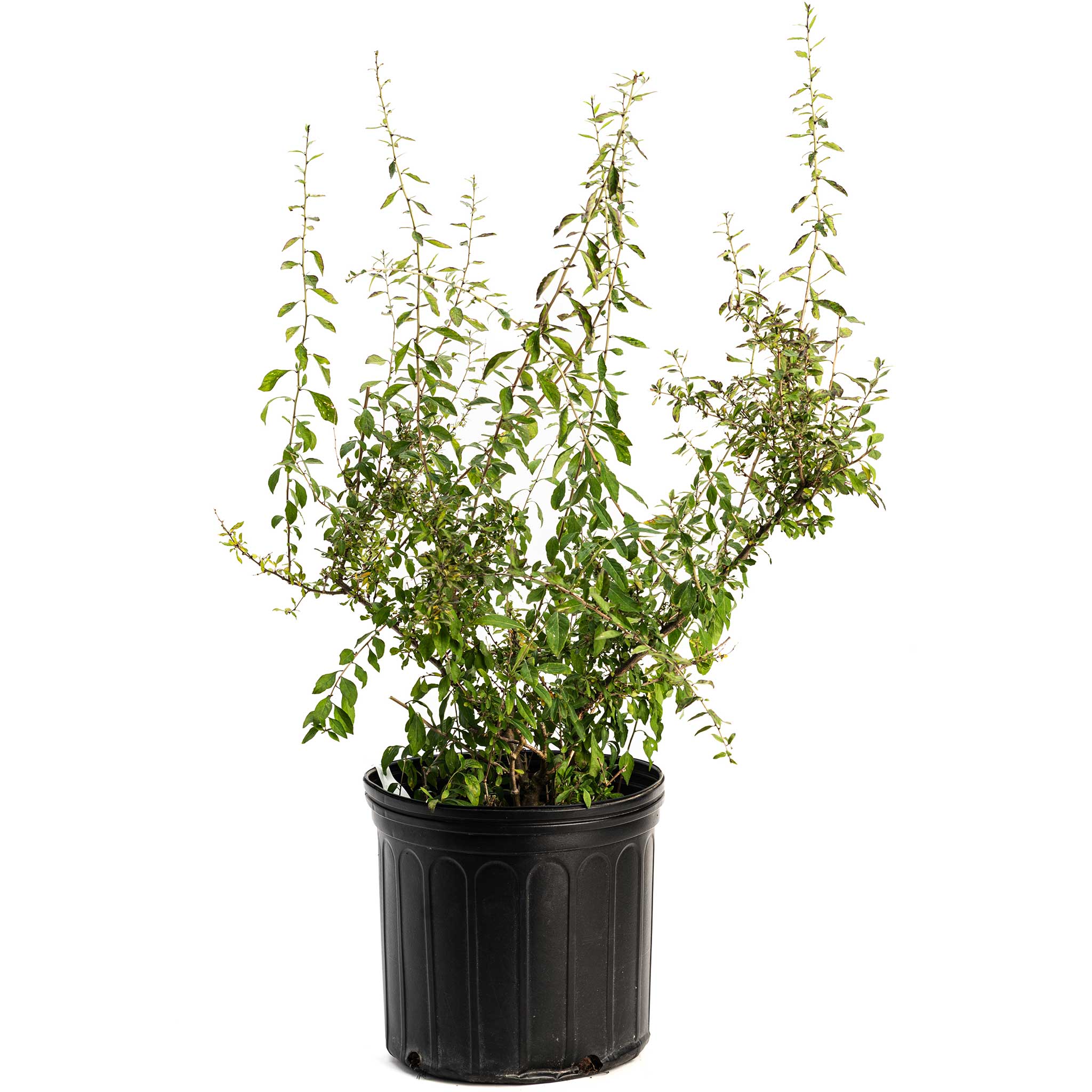
Available in 1 Gallon, 3 Gallon, and 1–2 ft. sizes, as well as money-saving 2-Packs for maximum yield and cross-pollination benefits.
Why You’ll Love the Goji Berry Plant
- Superfood Nutrition: One of the highest antioxidant fruits in the world — rich in Vitamin C, Vitamin A, iron, and amino acids
- Sweet-Tart Flavor: Fresh berries taste like a cross between a cherry tomato and a cranberry — bright, complex, and addictive
- Exceptionally Cold-Hardy: Survives temperatures down to −20°F — one of the hardiest fruiting shrubs available
- Drought-Tolerant: Once established, thrives with minimal watering — ideal for low-maintenance gardens
- Heavy Producer: A single mature plant can yield 5–8 lbs of berries per season
- Year-Round Interest: Delicate purple flowers in spring, vibrant red berries in summer and fall, and attractive arching canes through winter
- Versatile Use: Eat fresh, dry for trail mix, brew into tea, blend into smoothies, or use in baking
Single vs. 2-Pack
While Goji Berry plants are self-fertile, planting two together significantly increases yield through cross-pollination and ensures a more abundant, consistent harvest. Our 2-Pack is the best value for serious growers — two plants, one great price, and dramatically more berries.
Growing Zones & Care Guide
- USDA Hardiness Zones: Zones 3–10. The Goji Berry is one of the most cold-hardy fruiting plants available — it thrives across an enormous range of climates, from the frigid northern US to warm southern gardens.
- Sunlight: Full sun preferred — 6–8 hours daily for best fruit production. Tolerates partial shade but yields fewer berries.
- Watering: Water regularly during the first growing season to establish roots. Once established, Goji is highly drought-tolerant — water deeply but infrequently. Avoid waterlogged soil.
- Soil: Adaptable to a wide range of soils, including sandy, loamy, and even slightly alkaline conditions (pH 6.5–8.0). Excellent drainage is essential.
- Fertilizing: Light feeding with a balanced fertilizer in early spring. Avoid over-fertilizing with nitrogen, which promotes foliage over fruit.
- Pruning: Prune in late winter to remove old canes and encourage vigorous new growth. Goji produces fruit on new wood, so annual pruning is key to heavy yields.
- Harvest Window: Mid-summer through fall (July–October). Berries are ripe when they turn deep red and release easily from the stem with a gentle shake — avoid squeezing, as ripe berries bruise easily.
Pair It With Another Superfood Berry
Building a backyard superfood garden? Our Duke Blueberry is one of the most productive and cold-hardy blueberry varieties available — a perfect companion to Goji in any edible landscape. Together, they deliver a continuous harvest of antioxidant-rich berries from summer through fall.
Easy to grow, incredibly hardy, and loaded with nutrition — the Goji Berry Plant is one of the most rewarding additions you can make to any garden.
Description
Goji Berry Plant – The Superfood Berry That Practically Grows Itself
The Goji Berry (Lycium barbarum) is one of the most nutritionally dense fruits you can grow at home — and one of the easiest. Celebrated for centuries in traditional Chinese medicine and now a staple of the modern superfood movement, Goji Berries deliver a sweet-tart flavor packed with antioxidants, vitamins, and minerals. Grow them fresh, dry them for snacking, or blend them into smoothies — all from your own backyard.
Available in 1 Gallon, 3 Gallon, and 1–2 ft. sizes, as well as money-saving 2-Packs for maximum yield and cross-pollination benefits.
Why You’ll Love the Goji Berry Plant
- Superfood Nutrition: One of the highest antioxidant fruits in the world — rich in Vitamin C, Vitamin A, iron, and amino acids
- Sweet-Tart Flavor: Fresh berries taste like a cross between a cherry tomato and a cranberry — bright, complex, and addictive
- Exceptionally Cold-Hardy: Survives temperatures down to −20°F — one of the hardiest fruiting shrubs available
- Drought-Tolerant: Once established, thrives with minimal watering — ideal for low-maintenance gardens
- Heavy Producer: A single mature plant can yield 5–8 lbs of berries per season
- Year-Round Interest: Delicate purple flowers in spring, vibrant red berries in summer and fall, and attractive arching canes through winter
- Versatile Use: Eat fresh, dry for trail mix, brew into tea, blend into smoothies, or use in baking
Single vs. 2-Pack
While Goji Berry plants are self-fertile, planting two together significantly increases yield through cross-pollination and ensures a more abundant, consistent harvest. Our 2-Pack is the best value for serious growers — two plants, one great price, and dramatically more berries.
Growing Zones & Care Guide
- USDA Hardiness Zones: Zones 3–10. The Goji Berry is one of the most cold-hardy fruiting plants available — it thrives across an enormous range of climates, from the frigid northern US to warm southern gardens.
- Sunlight: Full sun preferred — 6–8 hours daily for best fruit production. Tolerates partial shade but yields fewer berries.
- Watering: Water regularly during the first growing season to establish roots. Once established, Goji is highly drought-tolerant — water deeply but infrequently. Avoid waterlogged soil.
- Soil: Adaptable to a wide range of soils, including sandy, loamy, and even slightly alkaline conditions (pH 6.5–8.0). Excellent drainage is essential.
- Fertilizing: Light feeding with a balanced fertilizer in early spring. Avoid over-fertilizing with nitrogen, which promotes foliage over fruit.
- Pruning: Prune in late winter to remove old canes and encourage vigorous new growth. Goji produces fruit on new wood, so annual pruning is key to heavy yields.
- Harvest Window: Mid-summer through fall (July–October). Berries are ripe when they turn deep red and release easily from the stem with a gentle shake — avoid squeezing, as ripe berries bruise easily.
Pair It With Another Superfood Berry
Building a backyard superfood garden? Our Duke Blueberry is one of the most productive and cold-hardy blueberry varieties available — a perfect companion to Goji in any edible landscape. Together, they deliver a continuous harvest of antioxidant-rich berries from summer through fall.
Easy to grow, incredibly hardy, and loaded with nutrition — the Goji Berry Plant is one of the most rewarding additions you can make to any garden.