Goldsturm Black-Eyed Susan
Goldsturm Black-Eyed Susan – The Gold Standard of Late-Season Perennials
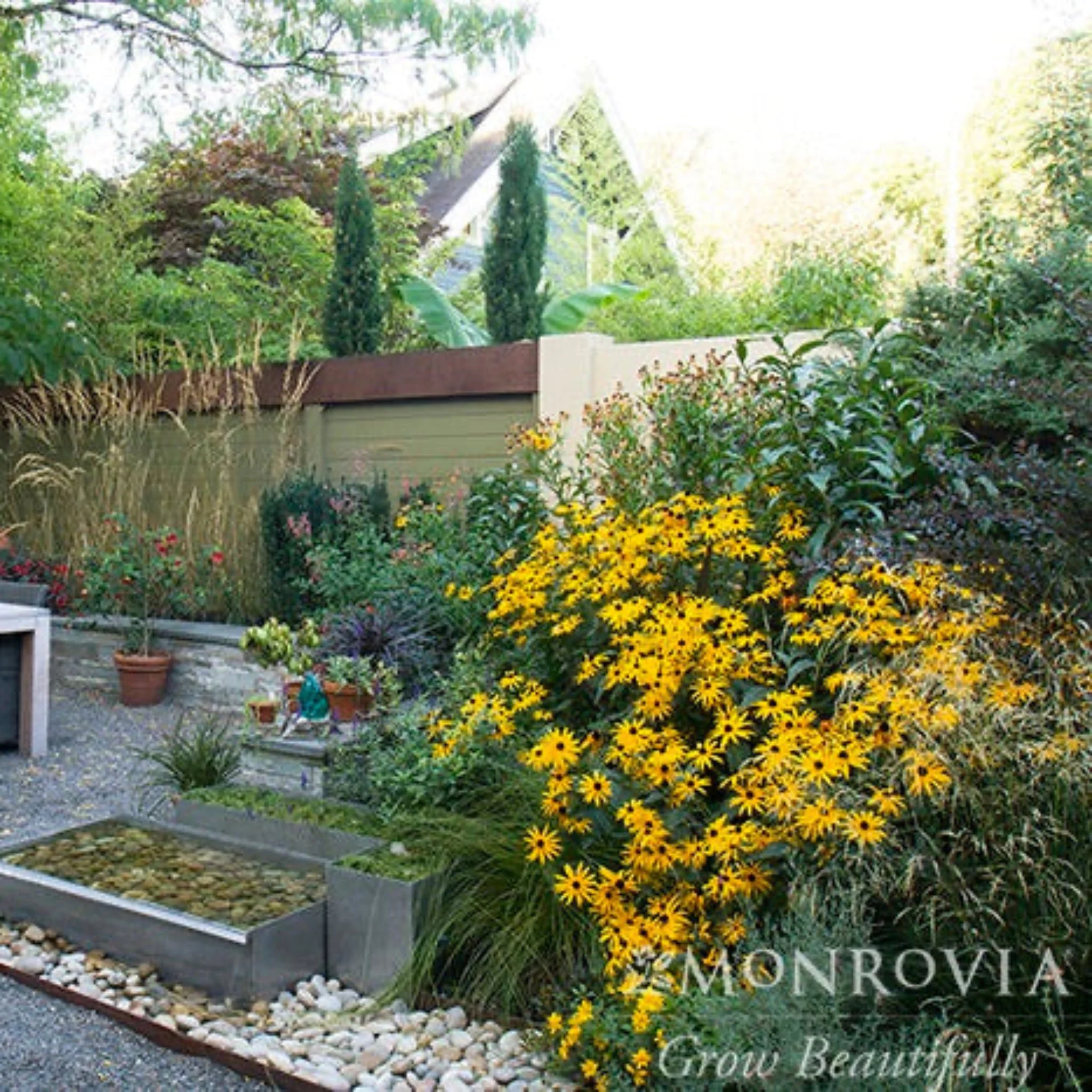
When the summer garden starts to fade, Goldsturm Black-Eyed Susan (Rudbeckia fulgida ‘Goldsturm’) hits its stride. One of the most celebrated perennials in the world — winner of the Perennial Plant of the Year award — Goldsturm produces an extraordinary flush of rich golden-yellow, daisy-like flowers with deep chocolate-brown centers from late summer straight through fall. It’s tough, native, pollinator-friendly, and virtually indestructible. Once you plant it, it rewards you for decades.
Why Goldsturm Is a Garden Essential
- Perennial Plant of the Year winner – Recognized by the Perennial Plant Association as one of the best garden perennials available — a distinction earned by very few plants.
- Extended late-season bloom – Flowers from July through October, filling the critical late-summer and fall color gap when most perennials have finished.
- Native plant – Native to eastern North America; supports local ecosystems, requires no pesticides, and is naturally adapted to a wide range of conditions.
- Exceptional pollinator value – A top nectar source for bees and butterflies; seed heads feed goldfinches and other songbirds through winter.
- Drought-tolerant & heat-hardy – Thrives in hot, dry summers once established; one of the most resilient flowering perennials available.
- No deadheading required – Blooms continuously without any maintenance; spent flowers transition to ornamental seed heads that extend winter interest.
- Spreads to fill space – Forms dense, weed-suppressing clumps that expand gradually over time, giving you more plants to divide and share.
- Extremely cold-hardy – Reliably perennial in USDA zones 3–9; comes back stronger every year.
Ideal Uses
- Perennial border mid- to back-of-border massing
- Cottage, meadow, and prairie-style gardens
- Pollinator and wildlife gardens
- Cut flower garden — long-lasting in arrangements
- Naturalizing in large drifts for a bold late-season statement
- Low-water and xeriscape landscapes
Picture late August — your garden glowing with hundreds of golden-yellow blooms swaying in the breeze, bees working every flower, goldfinches beginning to visit the seed heads. The rest of the garden is winding down, but Goldsturm is at its absolute peak. That’s the magic of planting for late-season color.
Growing Guide
- Zones: USDA 3–9
- Light: Full sun (6+ hours); tolerates light partial shade but blooms best in full sun
- Water: Regular watering during establishment; drought-tolerant once established
- Soil: Adaptable — tolerates clay, loam, and sandy soils; prefers well-draining conditions
- Mature size: 2–3 ft. tall, 2–3 ft. wide; forms dense, spreading clumps
- Bloom time: July–October
- Division: Divide clumps every 3–4 years in spring to maintain vigor and control spread
- Winter care: Leave seed heads standing through winter for bird habitat and visual interest; cut back in early spring
Available Options
Choose a Single 1-Gallon plant or save with the 2-Pack — ideal for mass planting, filling a border run, or creating the bold drifts that make Goldsturm truly shine.
A Classic Color Pairing
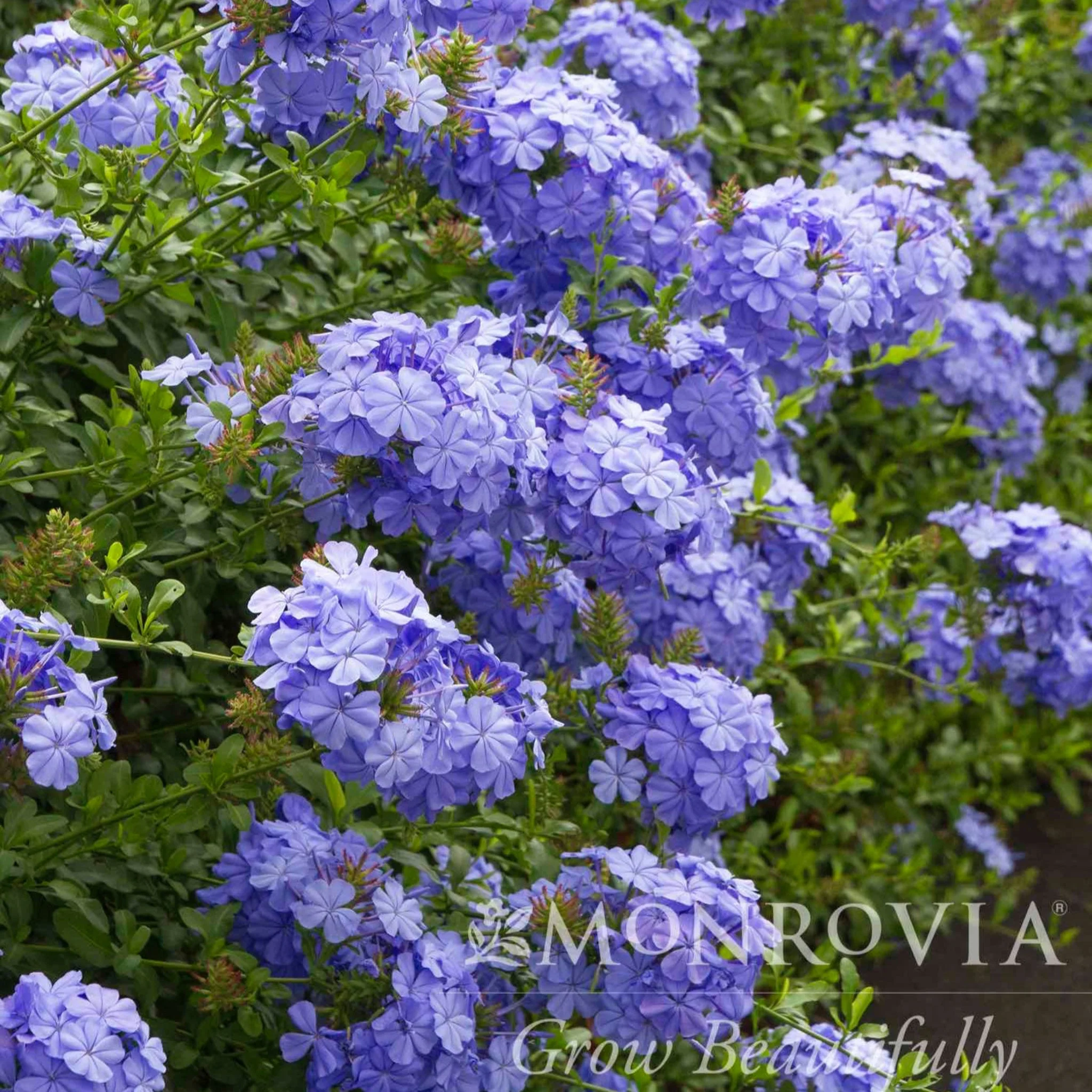
Goldsturm’s golden-yellow blooms pair beautifully with the violet-blue of Baby Pete™ Agapanthus — a complementary color combination that creates a vibrant, pollinator-friendly summer border. Both share the same sun-loving, low-maintenance profile for an effortless planting.
Original: $49.95
-65%$49.95
$17.48

Description
Goldsturm Black-Eyed Susan – The Gold Standard of Late-Season Perennials
When the summer garden starts to fade, Goldsturm Black-Eyed Susan (Rudbeckia fulgida ‘Goldsturm’) hits its stride. One of the most celebrated perennials in the world — winner of the Perennial Plant of the Year award — Goldsturm produces an extraordinary flush of rich golden-yellow, daisy-like flowers with deep chocolate-brown centers from late summer straight through fall. It’s tough, native, pollinator-friendly, and virtually indestructible. Once you plant it, it rewards you for decades.
Why Goldsturm Is a Garden Essential
- Perennial Plant of the Year winner – Recognized by the Perennial Plant Association as one of the best garden perennials available — a distinction earned by very few plants.
- Extended late-season bloom – Flowers from July through October, filling the critical late-summer and fall color gap when most perennials have finished.
- Native plant – Native to eastern North America; supports local ecosystems, requires no pesticides, and is naturally adapted to a wide range of conditions.
- Exceptional pollinator value – A top nectar source for bees and butterflies; seed heads feed goldfinches and other songbirds through winter.
- Drought-tolerant & heat-hardy – Thrives in hot, dry summers once established; one of the most resilient flowering perennials available.
- No deadheading required – Blooms continuously without any maintenance; spent flowers transition to ornamental seed heads that extend winter interest.
- Spreads to fill space – Forms dense, weed-suppressing clumps that expand gradually over time, giving you more plants to divide and share.
- Extremely cold-hardy – Reliably perennial in USDA zones 3–9; comes back stronger every year.
Ideal Uses
- Perennial border mid- to back-of-border massing
- Cottage, meadow, and prairie-style gardens
- Pollinator and wildlife gardens
- Cut flower garden — long-lasting in arrangements
- Naturalizing in large drifts for a bold late-season statement
- Low-water and xeriscape landscapes
Picture late August — your garden glowing with hundreds of golden-yellow blooms swaying in the breeze, bees working every flower, goldfinches beginning to visit the seed heads. The rest of the garden is winding down, but Goldsturm is at its absolute peak. That’s the magic of planting for late-season color.
Growing Guide
- Zones: USDA 3–9
- Light: Full sun (6+ hours); tolerates light partial shade but blooms best in full sun
- Water: Regular watering during establishment; drought-tolerant once established
- Soil: Adaptable — tolerates clay, loam, and sandy soils; prefers well-draining conditions
- Mature size: 2–3 ft. tall, 2–3 ft. wide; forms dense, spreading clumps
- Bloom time: July–October
- Division: Divide clumps every 3–4 years in spring to maintain vigor and control spread
- Winter care: Leave seed heads standing through winter for bird habitat and visual interest; cut back in early spring
Available Options
Choose a Single 1-Gallon plant or save with the 2-Pack — ideal for mass planting, filling a border run, or creating the bold drifts that make Goldsturm truly shine.
A Classic Color Pairing
Goldsturm’s golden-yellow blooms pair beautifully with the violet-blue of Baby Pete™ Agapanthus — a complementary color combination that creates a vibrant, pollinator-friendly summer border. Both share the same sun-loving, low-maintenance profile for an effortless planting.