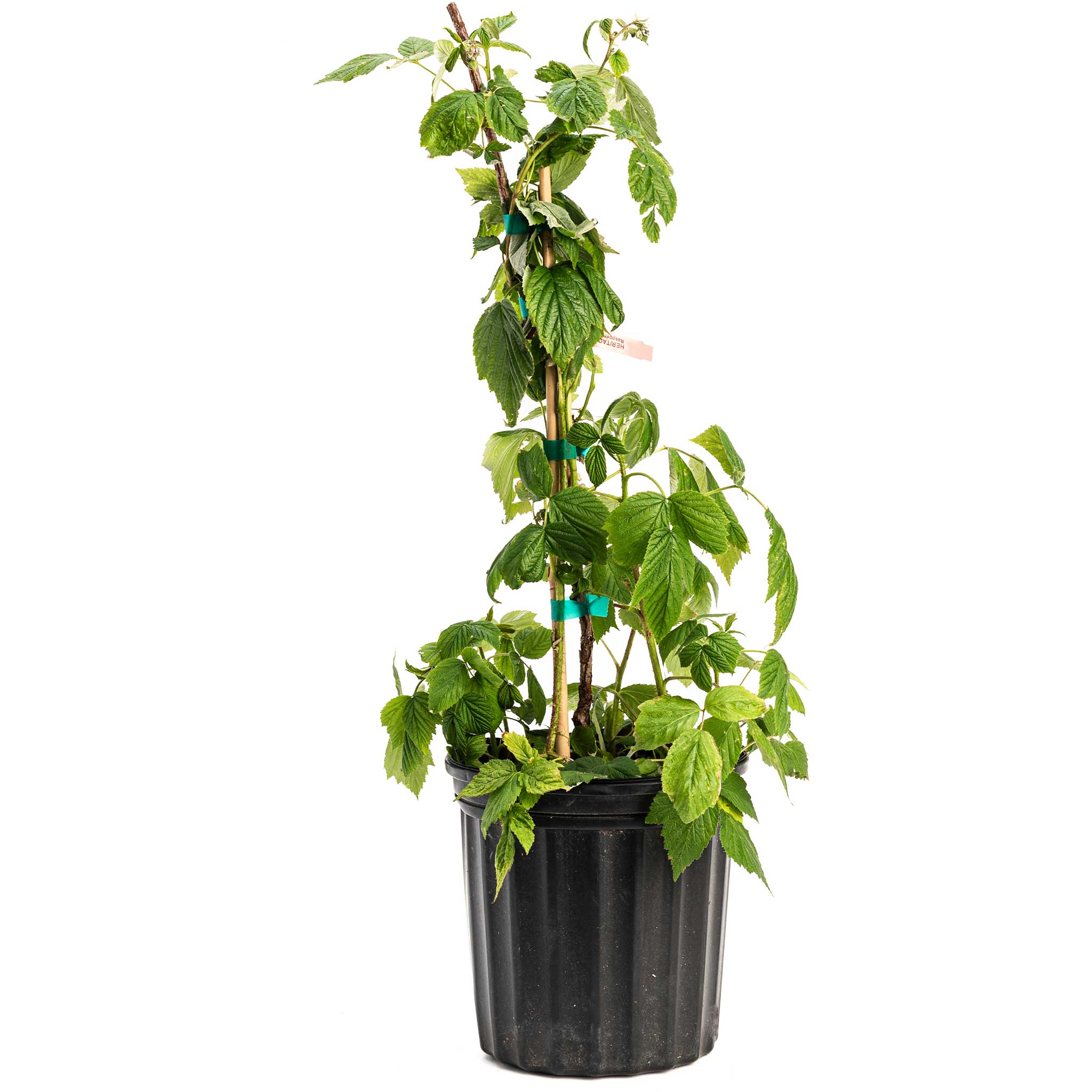
Heritage Raspberry – Everbearing - Two Crops Per Season
Heritage Raspberry – Two Crops, Cold-Hardy & Effortlessly Productive
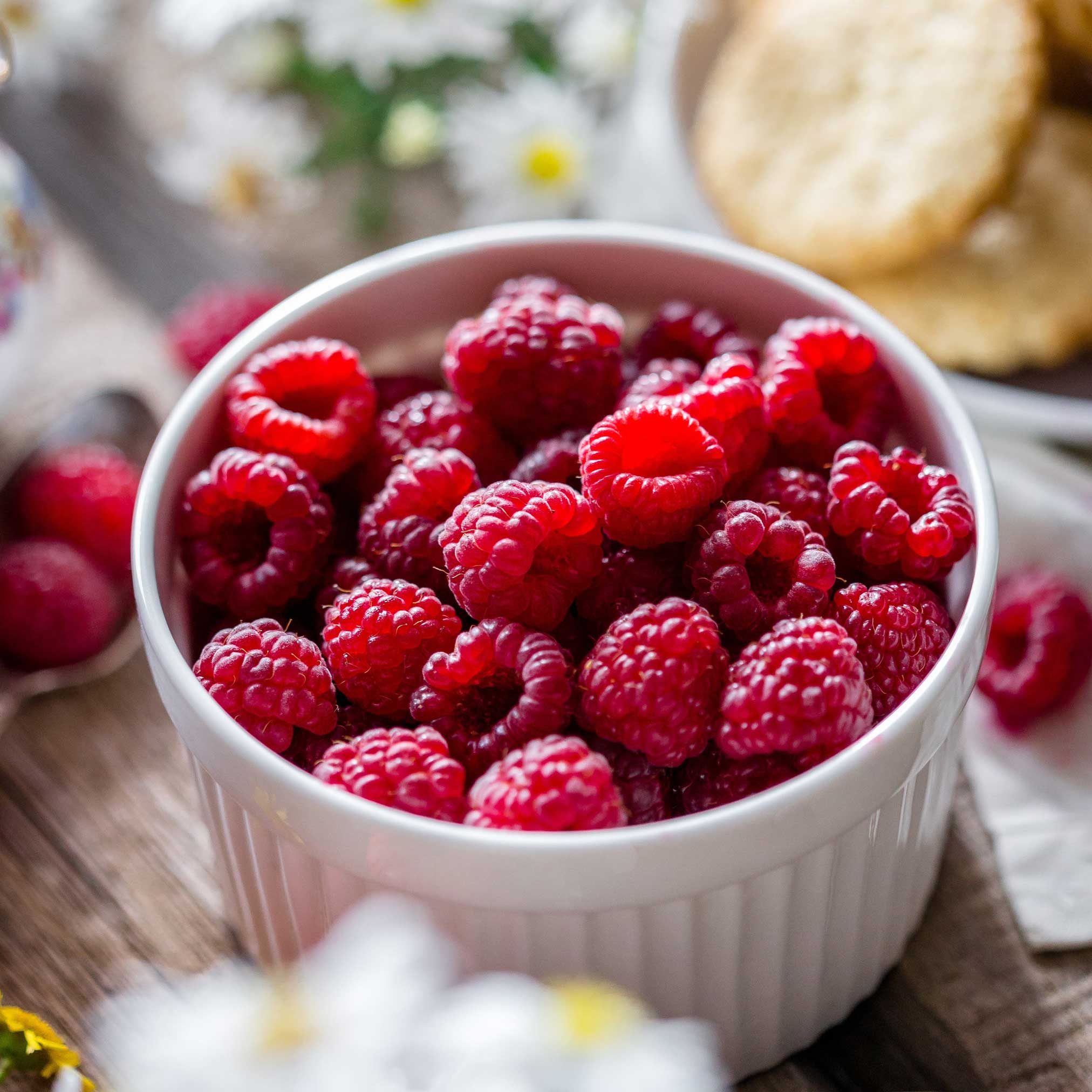
The Heritage Raspberry is one of the most popular and reliable everbearing raspberry varieties ever developed — and it’s easy to see why. Producing two distinct crops per season (summer and fall), cold-hardy to Zone 3, and self-fertile, Heritage delivers an abundance of large, firm, bright red raspberries with classic sweet-tart flavor that’s perfect for fresh eating, baking, freezing, and jam-making.
A true workhorse of the edible garden, Heritage has been a home grower’s favorite for decades. Available in 1 Gallon, 1–2 ft., and 2–3 ft. sizes, plus money-saving 2-Packs for a fuller, more productive patch from day one.
Why You’ll Love Heritage Raspberry
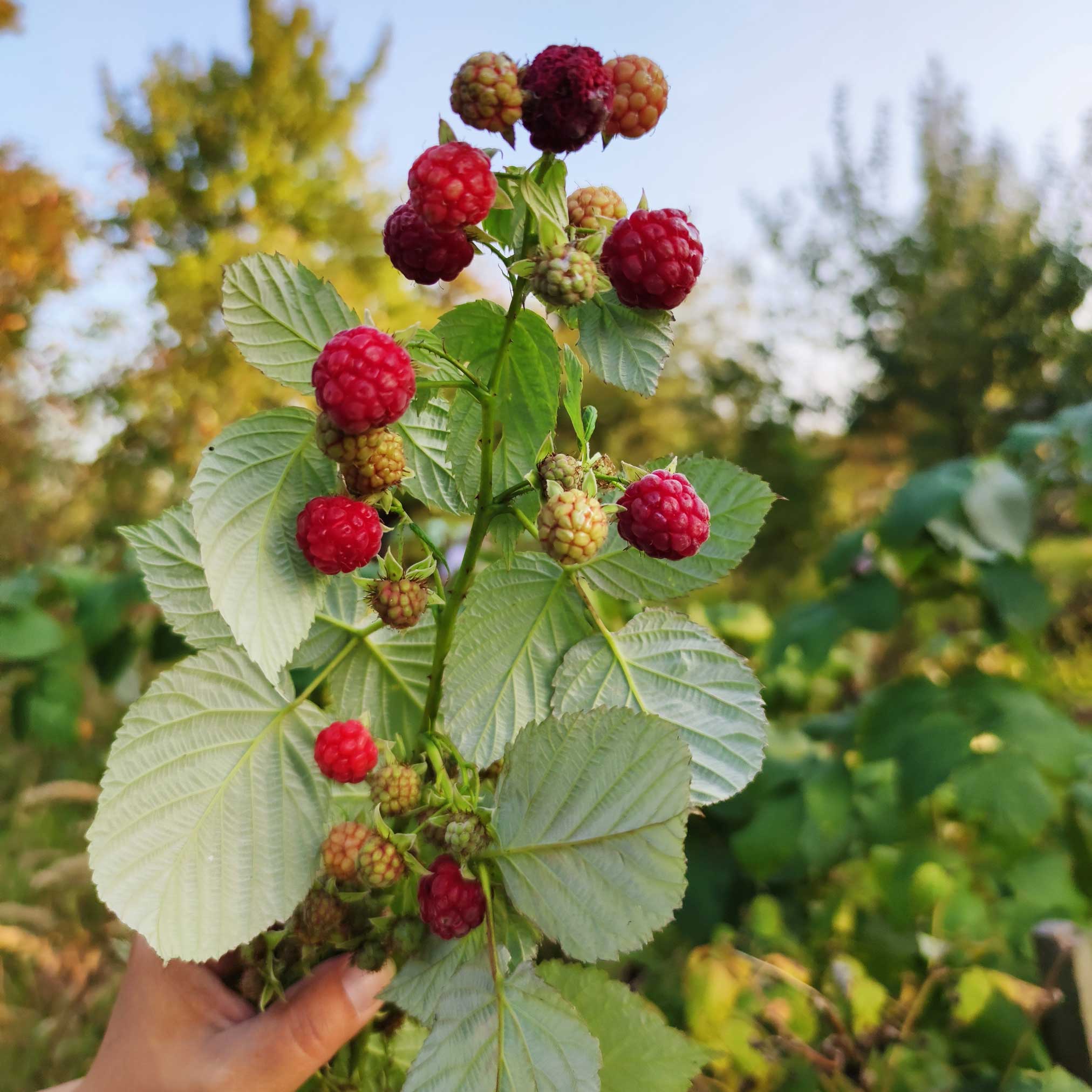
- Two Crops Per Season: Everbearing habit produces a summer crop on second-year canes (floricanes) and a fall crop on first-year canes (primocanes) — fresh raspberries from June through October
- Exceptionally Cold-Hardy: Hardy to Zone 3 — one of the most cold-tolerant raspberry varieties available, thriving where other cane fruits struggle
- Self-Fertile: One plant produces a full harvest — no pollination partner needed, though more plants means more berries
- Large, Firm Berries: Bigger than many raspberry varieties with a firm texture that holds up well for shipping, freezing, and baking
- Classic Sweet-Tart Flavor: Rich, aromatic raspberry flavor — perfect fresh, frozen, in jams, pies, smoothies, and desserts
- Vigorous & Productive: Establishes quickly and produces abundantly — a mature patch can yield several pounds of berries per plant per season
- Perennial: Plant once and harvest for years — a well-maintained Heritage patch can produce reliably for 10–15 years or more
Single vs. 2-Pack
Raspberries are self-fertile but produce more abundantly in groups. A 2-Pack gives you a denser planting from the start — more canes, more cross-coverage, and a significantly larger harvest in the first productive season. For a serious raspberry patch, plant 3–5 canes per linear foot of row.
Growing Zones & Care Guide
- USDA Hardiness Zones: Zones 3–8. Heritage is one of the most cold-hardy and widely adaptable raspberry varieties available — thriving across nearly the entire continental US except the warmest southern regions.
- Sunlight: Full sun — 6–8 hours of direct sunlight daily for best fruit production and flavor. Tolerates partial shade but with reduced yields.
- Watering: Keep soil consistently moist, especially during fruit development. Raspberries have shallow roots — mulching with straw or wood chips helps retain moisture and suppress weeds. Avoid waterlogged conditions.
- Soil: Well-draining, loamy soil with a slightly acidic pH (5.5–6.5). Raised beds work exceptionally well for raspberries in heavy clay soils.
- Support: Install a simple trellis or post-and-wire system to support canes and keep fruit off the ground. Two horizontal wires at 2 ft. and 4 ft. height work well for Heritage’s upright growth habit.
- Fertilizing: Apply a balanced fertilizer in early spring as new growth emerges. A second light feeding after the summer harvest supports fall crop development.
- Pruning: For two crops: after the fall harvest, cut only the tips of primocanes back by a few inches. In late winter, remove all floricanes (canes that fruited in summer) at the base. For a simplified single fall crop: mow all canes to the ground in late winter — new primocanes will emerge and produce a heavy fall crop with no summer harvest.
- Harvest Window: Summer crop: June–July on second-year canes. Fall crop: August–October on first-year canes. Harvest when berries are fully red, slightly soft, and release easily from the plug with a gentle pull.
Pair It With Another Cane Berry
Building a backyard berry patch? Our Thornless Blackberry Bush is a perfect companion — large, sweet blackberries with no thorns to deal with, ripening in mid-to-late summer to complement Heritage’s raspberry harvest. Together, they deliver a continuous cane berry harvest from June through October.
Two crops, cold-hardy to Zone 3, and productive for over a decade — the Heritage Raspberry is the ultimate set-it-and-harvest-it addition to any edible garden.
Original: $49.95
-65%$49.95
$17.48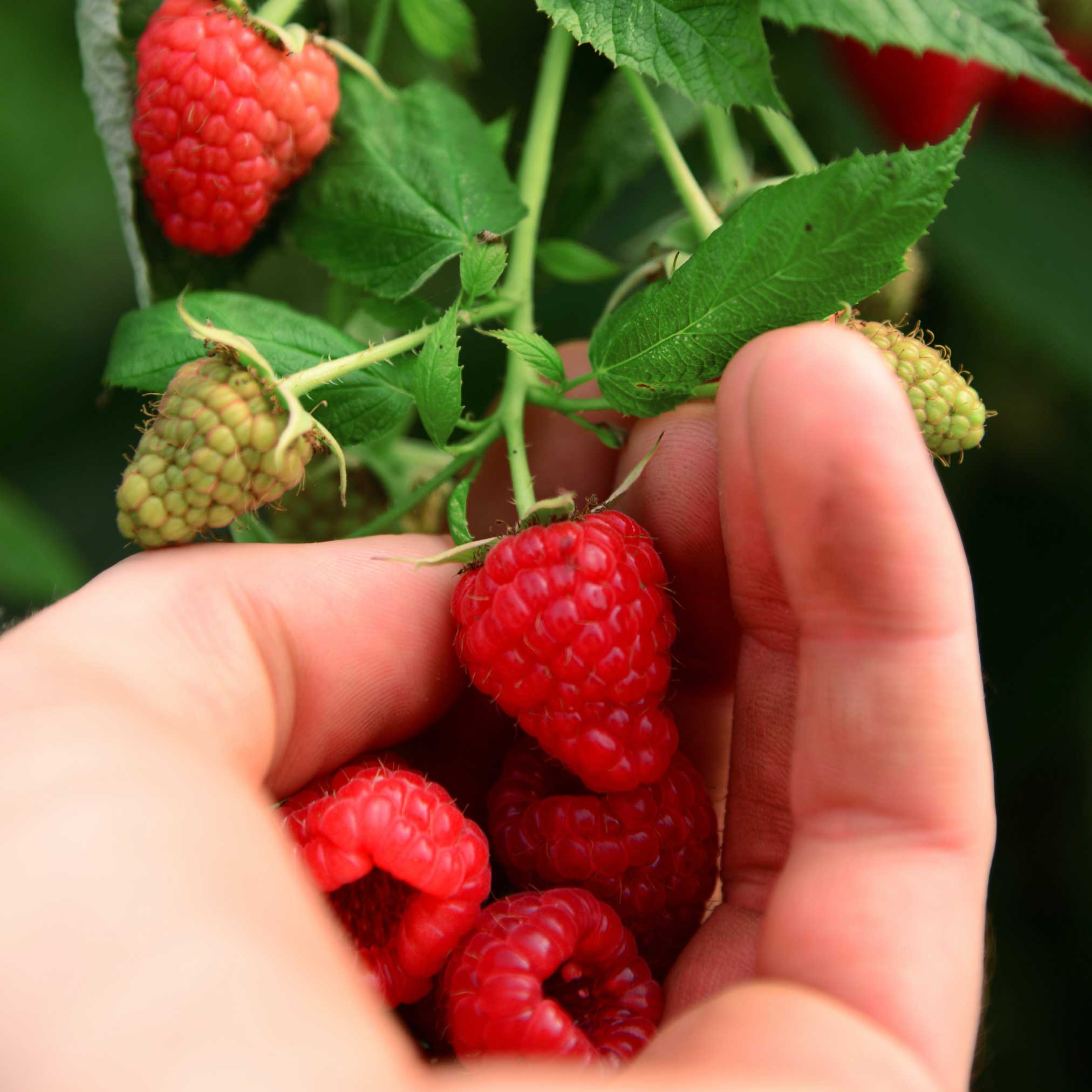
Description
Heritage Raspberry – Two Crops, Cold-Hardy & Effortlessly Productive
The Heritage Raspberry is one of the most popular and reliable everbearing raspberry varieties ever developed — and it’s easy to see why. Producing two distinct crops per season (summer and fall), cold-hardy to Zone 3, and self-fertile, Heritage delivers an abundance of large, firm, bright red raspberries with classic sweet-tart flavor that’s perfect for fresh eating, baking, freezing, and jam-making.
A true workhorse of the edible garden, Heritage has been a home grower’s favorite for decades. Available in 1 Gallon, 1–2 ft., and 2–3 ft. sizes, plus money-saving 2-Packs for a fuller, more productive patch from day one.
Why You’ll Love Heritage Raspberry
- Two Crops Per Season: Everbearing habit produces a summer crop on second-year canes (floricanes) and a fall crop on first-year canes (primocanes) — fresh raspberries from June through October
- Exceptionally Cold-Hardy: Hardy to Zone 3 — one of the most cold-tolerant raspberry varieties available, thriving where other cane fruits struggle
- Self-Fertile: One plant produces a full harvest — no pollination partner needed, though more plants means more berries
- Large, Firm Berries: Bigger than many raspberry varieties with a firm texture that holds up well for shipping, freezing, and baking
- Classic Sweet-Tart Flavor: Rich, aromatic raspberry flavor — perfect fresh, frozen, in jams, pies, smoothies, and desserts
- Vigorous & Productive: Establishes quickly and produces abundantly — a mature patch can yield several pounds of berries per plant per season
- Perennial: Plant once and harvest for years — a well-maintained Heritage patch can produce reliably for 10–15 years or more
Single vs. 2-Pack
Raspberries are self-fertile but produce more abundantly in groups. A 2-Pack gives you a denser planting from the start — more canes, more cross-coverage, and a significantly larger harvest in the first productive season. For a serious raspberry patch, plant 3–5 canes per linear foot of row.
Growing Zones & Care Guide
- USDA Hardiness Zones: Zones 3–8. Heritage is one of the most cold-hardy and widely adaptable raspberry varieties available — thriving across nearly the entire continental US except the warmest southern regions.
- Sunlight: Full sun — 6–8 hours of direct sunlight daily for best fruit production and flavor. Tolerates partial shade but with reduced yields.
- Watering: Keep soil consistently moist, especially during fruit development. Raspberries have shallow roots — mulching with straw or wood chips helps retain moisture and suppress weeds. Avoid waterlogged conditions.
- Soil: Well-draining, loamy soil with a slightly acidic pH (5.5–6.5). Raised beds work exceptionally well for raspberries in heavy clay soils.
- Support: Install a simple trellis or post-and-wire system to support canes and keep fruit off the ground. Two horizontal wires at 2 ft. and 4 ft. height work well for Heritage’s upright growth habit.
- Fertilizing: Apply a balanced fertilizer in early spring as new growth emerges. A second light feeding after the summer harvest supports fall crop development.
- Pruning: For two crops: after the fall harvest, cut only the tips of primocanes back by a few inches. In late winter, remove all floricanes (canes that fruited in summer) at the base. For a simplified single fall crop: mow all canes to the ground in late winter — new primocanes will emerge and produce a heavy fall crop with no summer harvest.
- Harvest Window: Summer crop: June–July on second-year canes. Fall crop: August–October on first-year canes. Harvest when berries are fully red, slightly soft, and release easily from the plug with a gentle pull.
Pair It With Another Cane Berry
Building a backyard berry patch? Our Thornless Blackberry Bush is a perfect companion — large, sweet blackberries with no thorns to deal with, ripening in mid-to-late summer to complement Heritage’s raspberry harvest. Together, they deliver a continuous cane berry harvest from June through October.
Two crops, cold-hardy to Zone 3, and productive for over a decade — the Heritage Raspberry is the ultimate set-it-and-harvest-it addition to any edible garden.