Marge Elderberry
Marge Elderberry – A Garden Powerhouse for Beauty, Harvest & Health
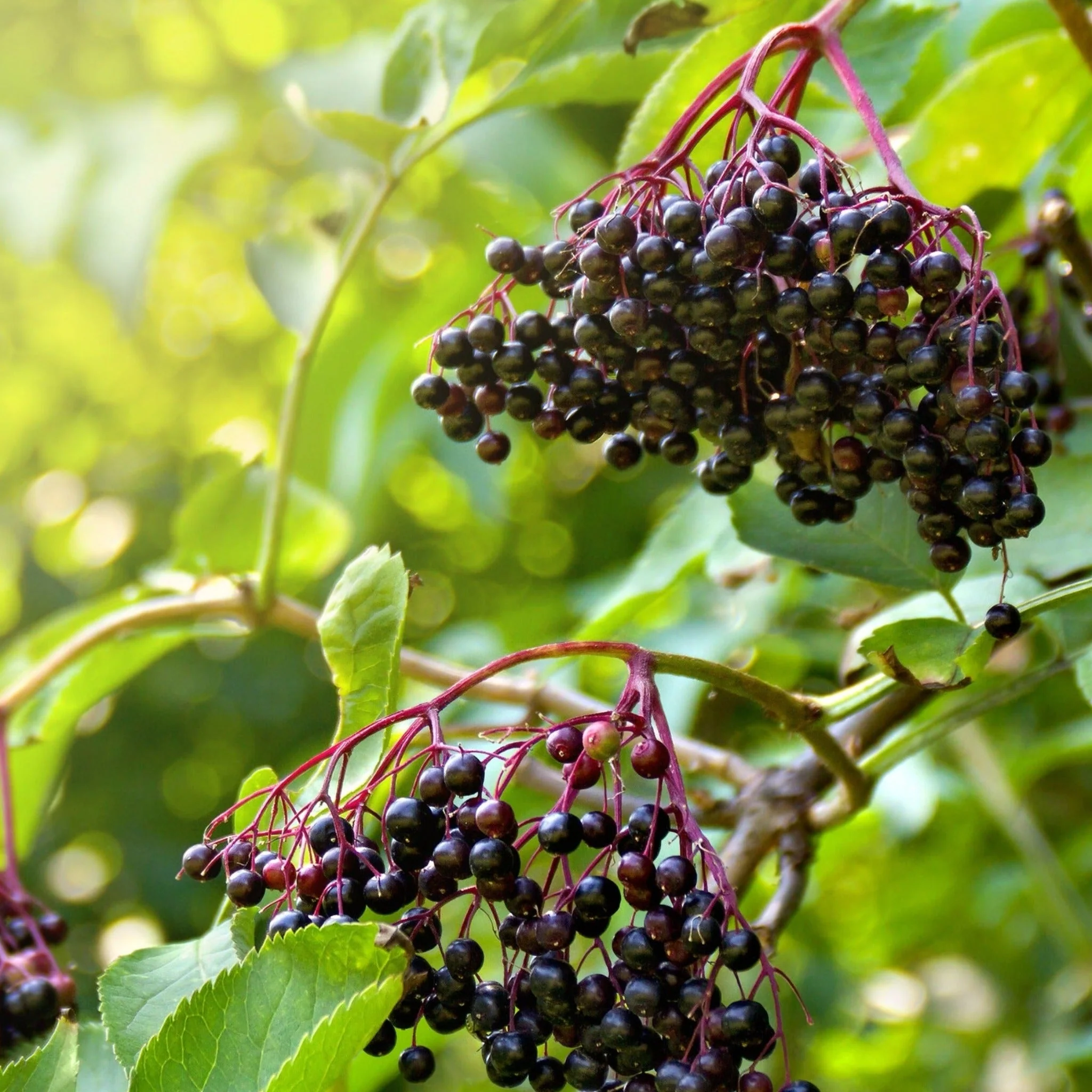
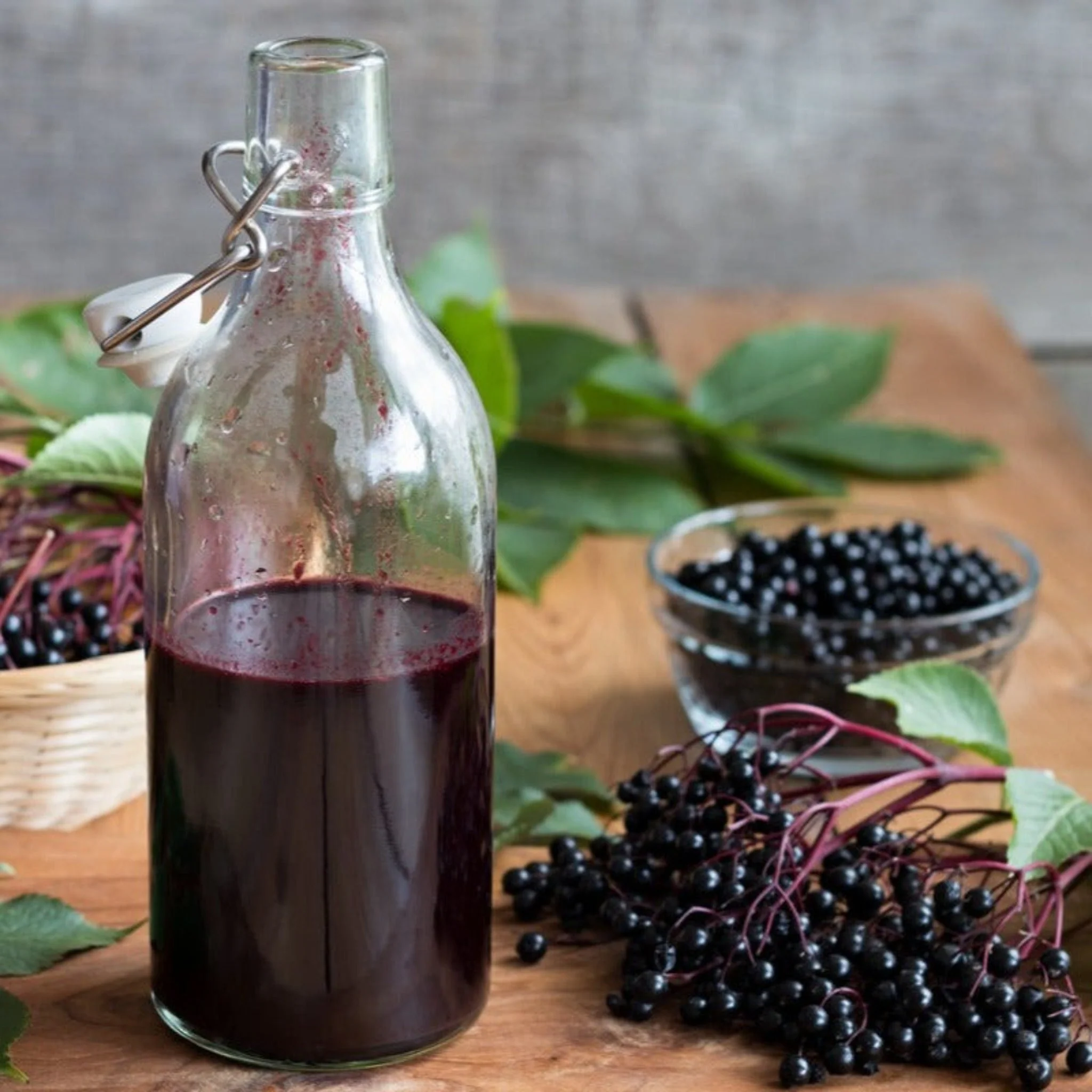
The Marge Elderberry (Sambucus nigra) is one of the most productive and versatile fruiting shrubs you can grow. Prized for its enormous clusters of deep, dark berries, Marge is a favorite among home brewers, herbalists, and culinary gardeners alike — delivering abundant harvests of elderberries perfect for syrups, jellies, wines, tinctures, and more.
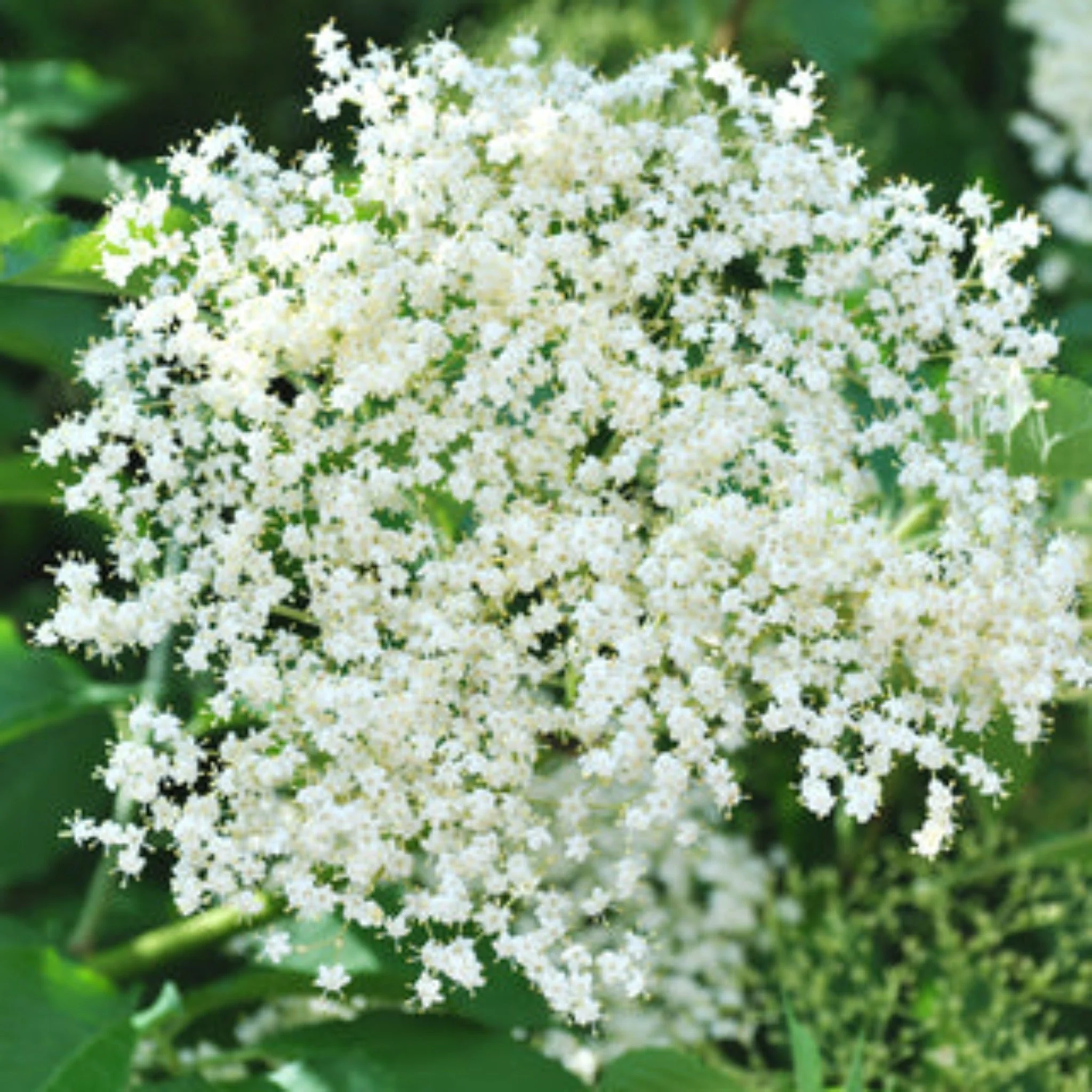
Beyond the harvest, Marge is a stunning landscape plant — with lacy, fragrant white flower clusters in late spring and dramatic dark berry clusters in late summer that attract pollinators and wildlife in equal measure.
Why You’ll Love the Marge Elderberry
- Prolific Producer: Large, heavy clusters of dark, juicy berries — one of the highest-yielding elderberry varieties available
- Culinary Versatility: Perfect for elderberry syrup, jelly, jam, wine, mead, tinctures, and baked goods
- Immune-Boosting Superfood: Elderberries are rich in Vitamin C, antioxidants, and flavonoids — long used in traditional herbal medicine for immune support
- Exceptionally Cold-Hardy: Thrives in Zones 3–10 — one of the most cold-tolerant fruiting shrubs available
- Wildlife Magnet: Fragrant blossoms attract bees and butterflies; berries are a favorite of songbirds and other wildlife
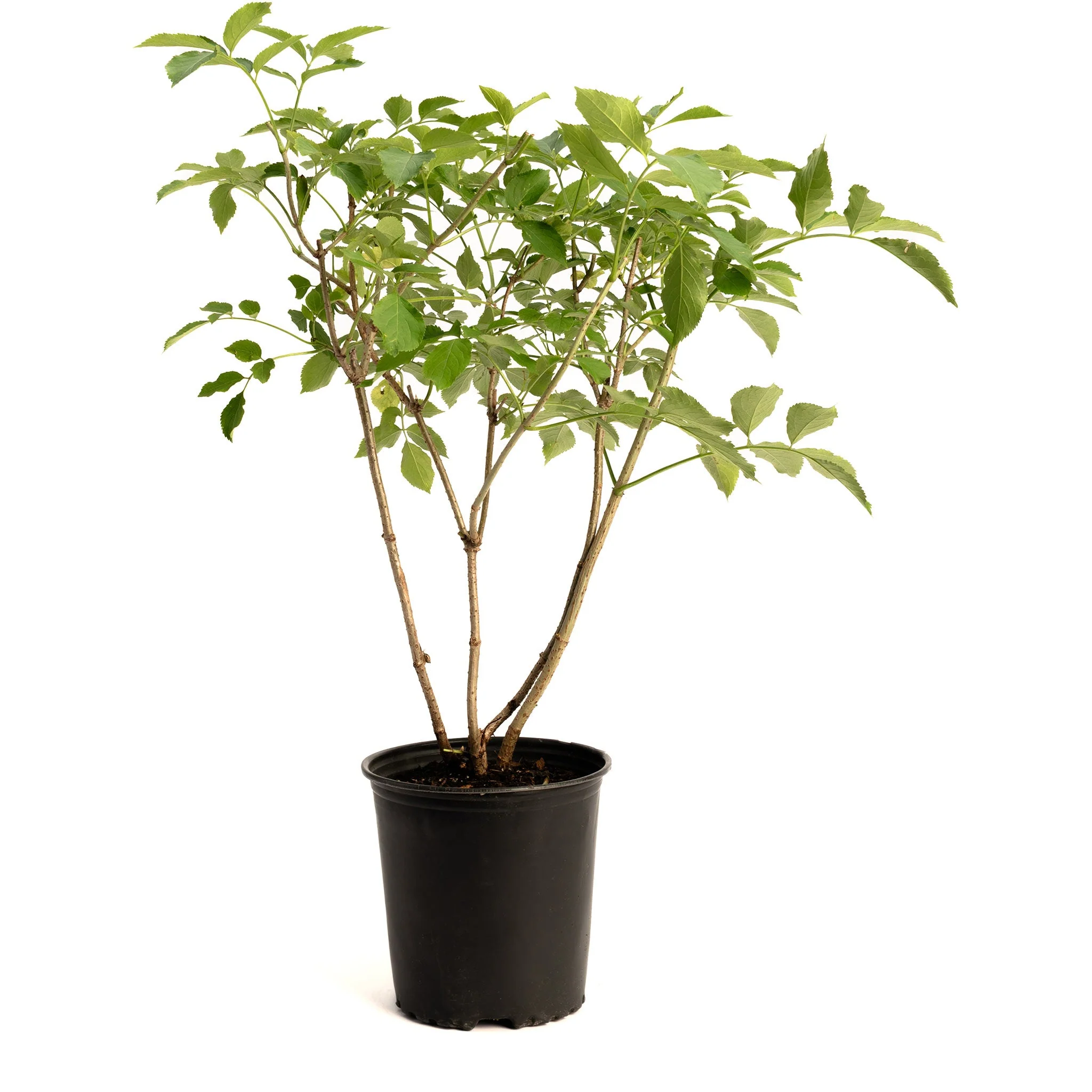
- Fast-Growing: Establishes quickly and can reach full productive size within 2–3 years
- Low-Maintenance: Adaptable to a wide range of soils and conditions with minimal upkeep required
Pollination Note
While Marge Elderberry can produce fruit on its own, planting near a second elderberry variety significantly increases berry yield and cluster size. For best results, plant two or more elderberry varieties within 60 feet of each other. If you’re adding a second plant, look for compatible varieties such as Bob, Nova, or Adams elderberry.
Growing Zones & Care Guide
- USDA Hardiness Zones: Zones 3–10. Marge Elderberry is extraordinarily cold-hardy and heat-tolerant, thriving across nearly the entire continental US.
- Sunlight: Full sun to partial shade. Full sun (6+ hours daily) produces the heaviest berry yields. Tolerates partial shade but with reduced fruiting.
- Watering: Keep soil consistently moist, especially during the first growing season and during fruit development. Elderberries prefer moist conditions and tolerate occasional wet feet better than most fruiting shrubs.
- Soil: Adaptable to a wide range of soils — loam, clay, and sandy soils all work. Prefers slightly acidic to neutral pH (5.5–6.5). Avoid extremely dry or compacted soils.
- Fertilizing: Apply a balanced fertilizer in early spring. A light compost top-dressing in fall supports vigorous growth the following season.
- Pruning: Prune in late winter or early spring. Remove any dead or damaged canes and cut back older canes to the ground to encourage vigorous new growth. Elderberries fruit on second-year wood, so maintain a mix of one- and two-year canes for best yields.
- Harvest Window: Late August through September. Harvest entire clusters when berries are fully dark and slightly soft. Do not eat raw elderberries — cook or process before consuming.
Pair It With Another Superfood Shrub
Building a backyard medicinal or edible garden? Our Goji Berry Plant is another cold-hardy superfood powerhouse — antioxidant-rich, drought-tolerant, and productive from summer through fall. Together, Marge Elderberry and Goji Berry make an exceptional edible landscape duo for health-conscious growers.
Hardy, beautiful, and incredibly productive — the Marge Elderberry is one of the most rewarding fruiting shrubs you can add to any garden.
Description
Marge Elderberry – A Garden Powerhouse for Beauty, Harvest & Health
The Marge Elderberry (Sambucus nigra) is one of the most productive and versatile fruiting shrubs you can grow. Prized for its enormous clusters of deep, dark berries, Marge is a favorite among home brewers, herbalists, and culinary gardeners alike — delivering abundant harvests of elderberries perfect for syrups, jellies, wines, tinctures, and more.
Beyond the harvest, Marge is a stunning landscape plant — with lacy, fragrant white flower clusters in late spring and dramatic dark berry clusters in late summer that attract pollinators and wildlife in equal measure.
Why You’ll Love the Marge Elderberry
- Prolific Producer: Large, heavy clusters of dark, juicy berries — one of the highest-yielding elderberry varieties available
- Culinary Versatility: Perfect for elderberry syrup, jelly, jam, wine, mead, tinctures, and baked goods
- Immune-Boosting Superfood: Elderberries are rich in Vitamin C, antioxidants, and flavonoids — long used in traditional herbal medicine for immune support
- Exceptionally Cold-Hardy: Thrives in Zones 3–10 — one of the most cold-tolerant fruiting shrubs available
- Wildlife Magnet: Fragrant blossoms attract bees and butterflies; berries are a favorite of songbirds and other wildlife
- Fast-Growing: Establishes quickly and can reach full productive size within 2–3 years
- Low-Maintenance: Adaptable to a wide range of soils and conditions with minimal upkeep required
Pollination Note
While Marge Elderberry can produce fruit on its own, planting near a second elderberry variety significantly increases berry yield and cluster size. For best results, plant two or more elderberry varieties within 60 feet of each other. If you’re adding a second plant, look for compatible varieties such as Bob, Nova, or Adams elderberry.
Growing Zones & Care Guide
- USDA Hardiness Zones: Zones 3–10. Marge Elderberry is extraordinarily cold-hardy and heat-tolerant, thriving across nearly the entire continental US.
- Sunlight: Full sun to partial shade. Full sun (6+ hours daily) produces the heaviest berry yields. Tolerates partial shade but with reduced fruiting.
- Watering: Keep soil consistently moist, especially during the first growing season and during fruit development. Elderberries prefer moist conditions and tolerate occasional wet feet better than most fruiting shrubs.
- Soil: Adaptable to a wide range of soils — loam, clay, and sandy soils all work. Prefers slightly acidic to neutral pH (5.5–6.5). Avoid extremely dry or compacted soils.
- Fertilizing: Apply a balanced fertilizer in early spring. A light compost top-dressing in fall supports vigorous growth the following season.
- Pruning: Prune in late winter or early spring. Remove any dead or damaged canes and cut back older canes to the ground to encourage vigorous new growth. Elderberries fruit on second-year wood, so maintain a mix of one- and two-year canes for best yields.
- Harvest Window: Late August through September. Harvest entire clusters when berries are fully dark and slightly soft. Do not eat raw elderberries — cook or process before consuming.
Pair It With Another Superfood Shrub
Building a backyard medicinal or edible garden? Our Goji Berry Plant is another cold-hardy superfood powerhouse — antioxidant-rich, drought-tolerant, and productive from summer through fall. Together, Marge Elderberry and Goji Berry make an exceptional edible landscape duo for health-conscious growers.
Hardy, beautiful, and incredibly productive — the Marge Elderberry is one of the most rewarding fruiting shrubs you can add to any garden.