Romeo & Juliet Dwarf Cherry Trees
Romeo & Juliet Dwarf Cherry Trees – Two of the Hardiest, Most Productive Cherries You Can Grow
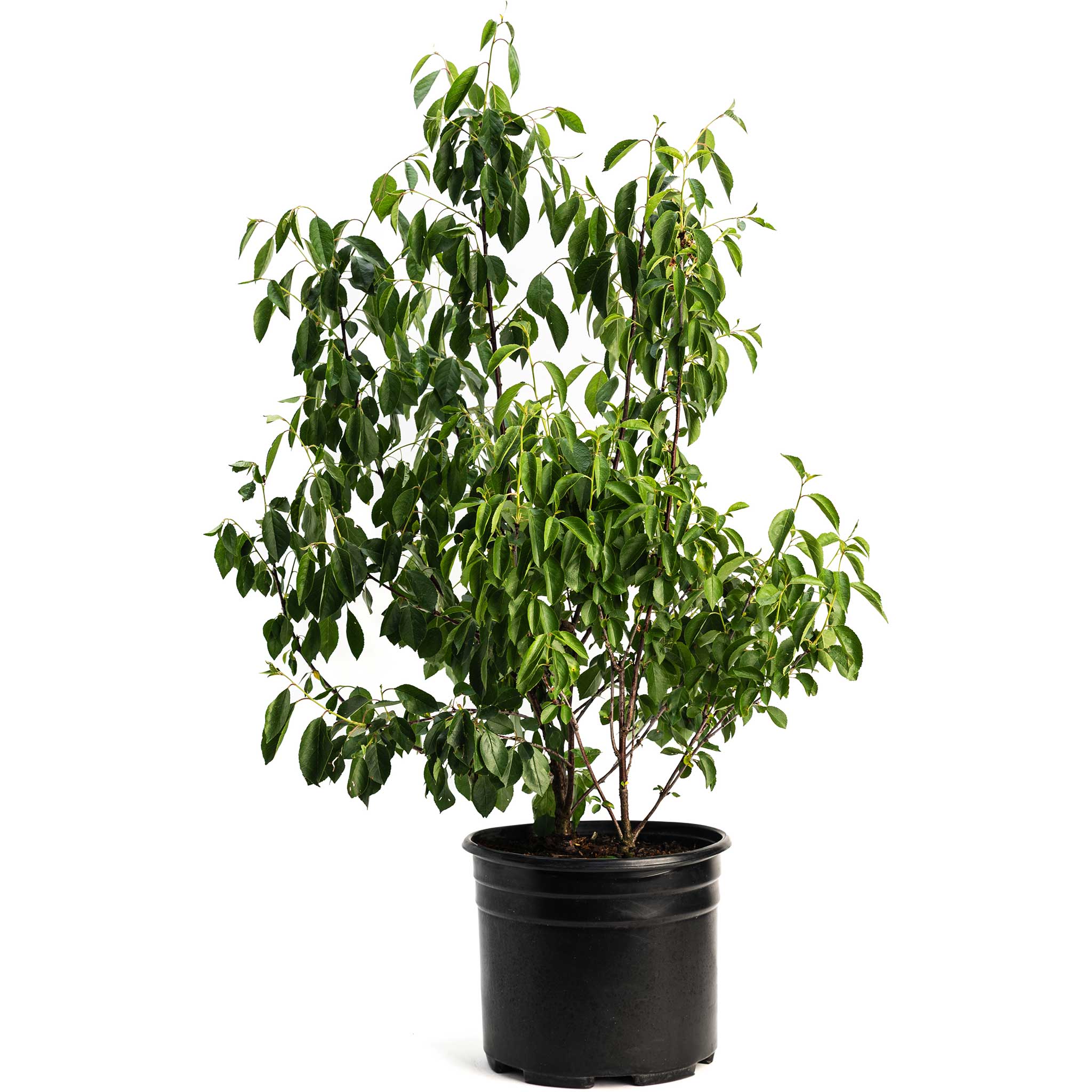
If you’ve ever wanted to grow cherries but thought you didn’t have the space — or the climate — the Romeo and Juliet Cherry Trees were made for you. Developed by the University of Saskatchewan specifically for cold northern climates, these compact dwarf cherries stay under 8 feet tall, produce abundantly, and shrug off winters that would kill most cherry varieties. Self-fertile, low-maintenance, and bursting with rich, sweet-tart flavor, they’re the perfect cherry trees for real-world home gardens.
Romeo Cherry – The Bold, Dark Producer
- Deep burgundy-black fruit – Large, dark cherries with rich, sweet-tart flavor and high juice content — exceptional for pies, jams, and cherry wine.
- Heavy producer – Despite its compact 6–8 ft. size, Romeo yields impressive crops of fruit each summer.
- Extremely cold-hardy – Hardy to USDA zone 2b (−40°F) — one of the hardiest cherry trees in existence.
- Self-fertile – Produces fruit on its own; cross-pollination with Juliet significantly increases yield.
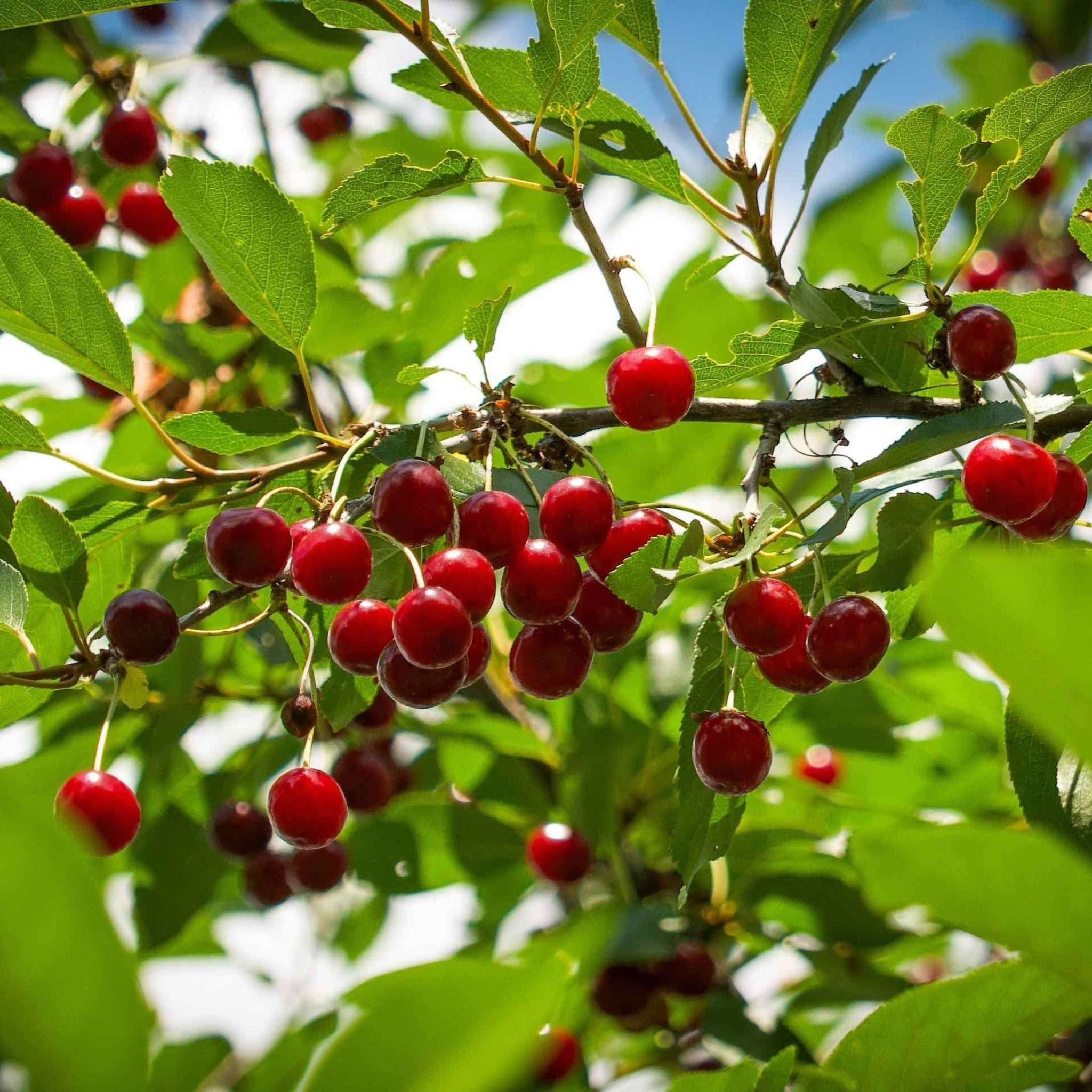
Juliet Cherry – The Sweet, Versatile Companion
- Bright red, sweet-sour cherries – Larger fruit than Romeo with a sweeter flavor profile — excellent fresh, baked, or preserved.
- Compact form – Stays around 6–7 ft. tall, ideal for small yards, raised beds, and large containers.
- Long harvest window – Ripens slightly later than Romeo, extending your cherry season when planted together.
- Easy care – Naturally disease-resistant and low-maintenance; a great choice for beginner fruit growers.
Why Plant Both?
Romeo and Juliet are self-fertile individually, but planting them together dramatically increases fruit production through cross-pollination — and their slightly staggered ripening times give you a longer cherry harvest. The Romeo & Juliet Bundle is the best value option and the most popular choice for good reason.
Important planting note: Trees arrive in the same pot. We recommend separating and planting them in-ground within 50 ft. of each other for optimal cross-pollination and yield.
In the Kitchen
Romeo’s deep, rich juice makes it the go-to for cherry pies, preserves, and homemade cherry wine. Juliet’s sweeter profile shines fresh off the tree, in clafoutis, and in cherry compotes. Together, they give you the full spectrum of cherry flavor from a pair of trees that fit in almost any yard.
Growing Guide
- Zones: USDA 2b–8 — among the hardiest cherries available
- Light: Full sun — 6+ hours daily for best fruit production
- Water: Regular watering during establishment and fruit development; moderate once established
- Soil: Well-draining; adaptable to a range of soil types
- Mature size: 6–8 ft. tall — no ladder required at harvest
- Container growing: Use a 15–25 gallon pot; both varieties perform well in containers
- Harvest: July–August; Romeo ripens first, Juliet follows 1–2 weeks later
Available Options
Choose Romeo or Juliet individually (3 Gallon), or save with the Romeo & Juliet Bundle — both trees together at a bundled price, ready to cross-pollinate from day one.
Want a Sweet Cherry to Complete Your Orchard?
Pair your Romeo & Juliet with the Lapins Cherry Tree — a self-pollinating sweet cherry that ripens around the same time and cross-pollinates beautifully, giving you both sour and sweet cherries from your home orchard.
Original: $119.95
-65%$119.95
$41.98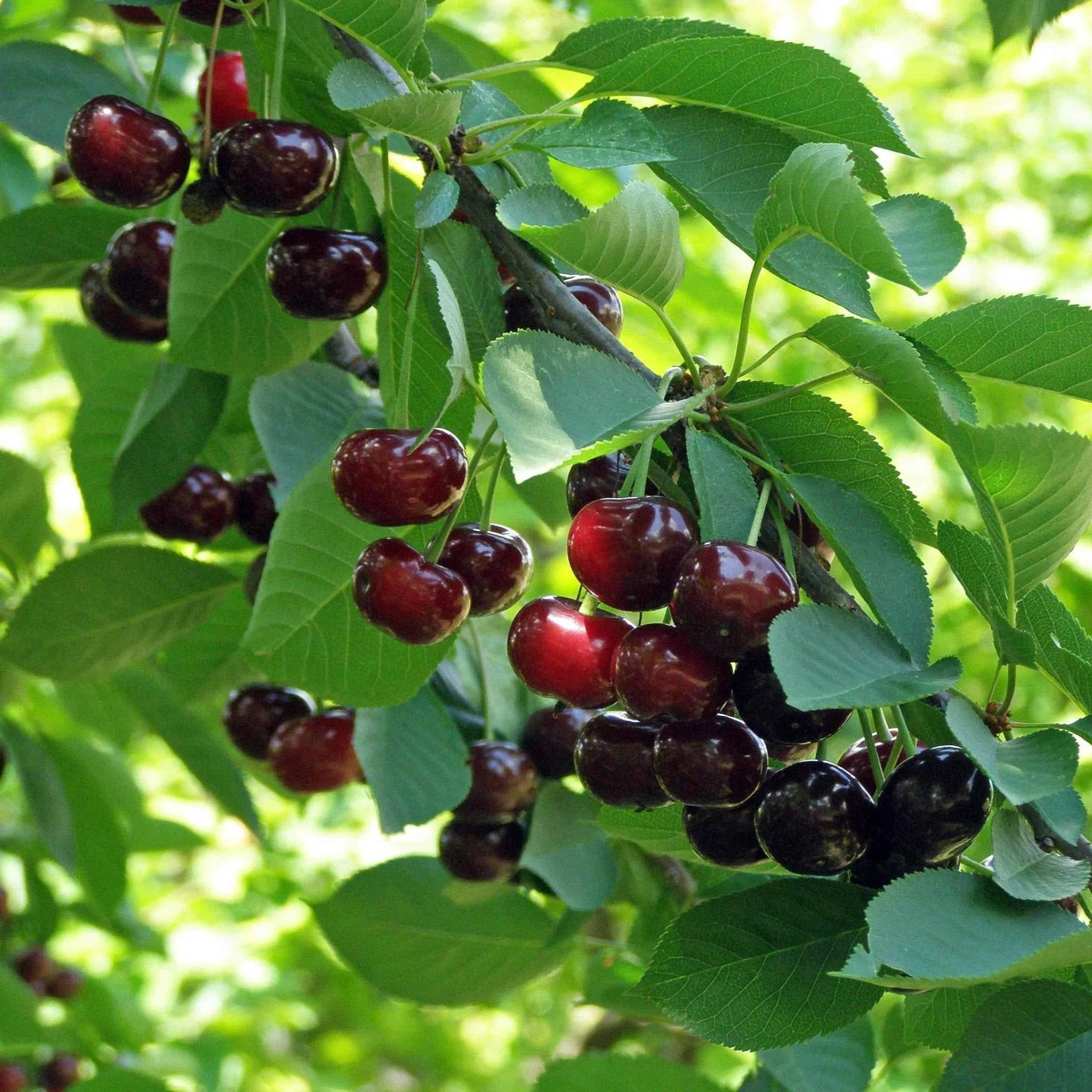
Description
Romeo & Juliet Dwarf Cherry Trees – Two of the Hardiest, Most Productive Cherries You Can Grow
If you’ve ever wanted to grow cherries but thought you didn’t have the space — or the climate — the Romeo and Juliet Cherry Trees were made for you. Developed by the University of Saskatchewan specifically for cold northern climates, these compact dwarf cherries stay under 8 feet tall, produce abundantly, and shrug off winters that would kill most cherry varieties. Self-fertile, low-maintenance, and bursting with rich, sweet-tart flavor, they’re the perfect cherry trees for real-world home gardens.
Romeo Cherry – The Bold, Dark Producer
- Deep burgundy-black fruit – Large, dark cherries with rich, sweet-tart flavor and high juice content — exceptional for pies, jams, and cherry wine.
- Heavy producer – Despite its compact 6–8 ft. size, Romeo yields impressive crops of fruit each summer.
- Extremely cold-hardy – Hardy to USDA zone 2b (−40°F) — one of the hardiest cherry trees in existence.
- Self-fertile – Produces fruit on its own; cross-pollination with Juliet significantly increases yield.
Juliet Cherry – The Sweet, Versatile Companion
- Bright red, sweet-sour cherries – Larger fruit than Romeo with a sweeter flavor profile — excellent fresh, baked, or preserved.
- Compact form – Stays around 6–7 ft. tall, ideal for small yards, raised beds, and large containers.
- Long harvest window – Ripens slightly later than Romeo, extending your cherry season when planted together.
- Easy care – Naturally disease-resistant and low-maintenance; a great choice for beginner fruit growers.
Why Plant Both?
Romeo and Juliet are self-fertile individually, but planting them together dramatically increases fruit production through cross-pollination — and their slightly staggered ripening times give you a longer cherry harvest. The Romeo & Juliet Bundle is the best value option and the most popular choice for good reason.
Important planting note: Trees arrive in the same pot. We recommend separating and planting them in-ground within 50 ft. of each other for optimal cross-pollination and yield.
In the Kitchen
Romeo’s deep, rich juice makes it the go-to for cherry pies, preserves, and homemade cherry wine. Juliet’s sweeter profile shines fresh off the tree, in clafoutis, and in cherry compotes. Together, they give you the full spectrum of cherry flavor from a pair of trees that fit in almost any yard.
Growing Guide
- Zones: USDA 2b–8 — among the hardiest cherries available
- Light: Full sun — 6+ hours daily for best fruit production
- Water: Regular watering during establishment and fruit development; moderate once established
- Soil: Well-draining; adaptable to a range of soil types
- Mature size: 6–8 ft. tall — no ladder required at harvest
- Container growing: Use a 15–25 gallon pot; both varieties perform well in containers
- Harvest: July–August; Romeo ripens first, Juliet follows 1–2 weeks later
Available Options
Choose Romeo or Juliet individually (3 Gallon), or save with the Romeo & Juliet Bundle — both trees together at a bundled price, ready to cross-pollinate from day one.
Want a Sweet Cherry to Complete Your Orchard?
Pair your Romeo & Juliet with the Lapins Cherry Tree — a self-pollinating sweet cherry that ripens around the same time and cross-pollinates beautifully, giving you both sour and sweet cherries from your home orchard.